
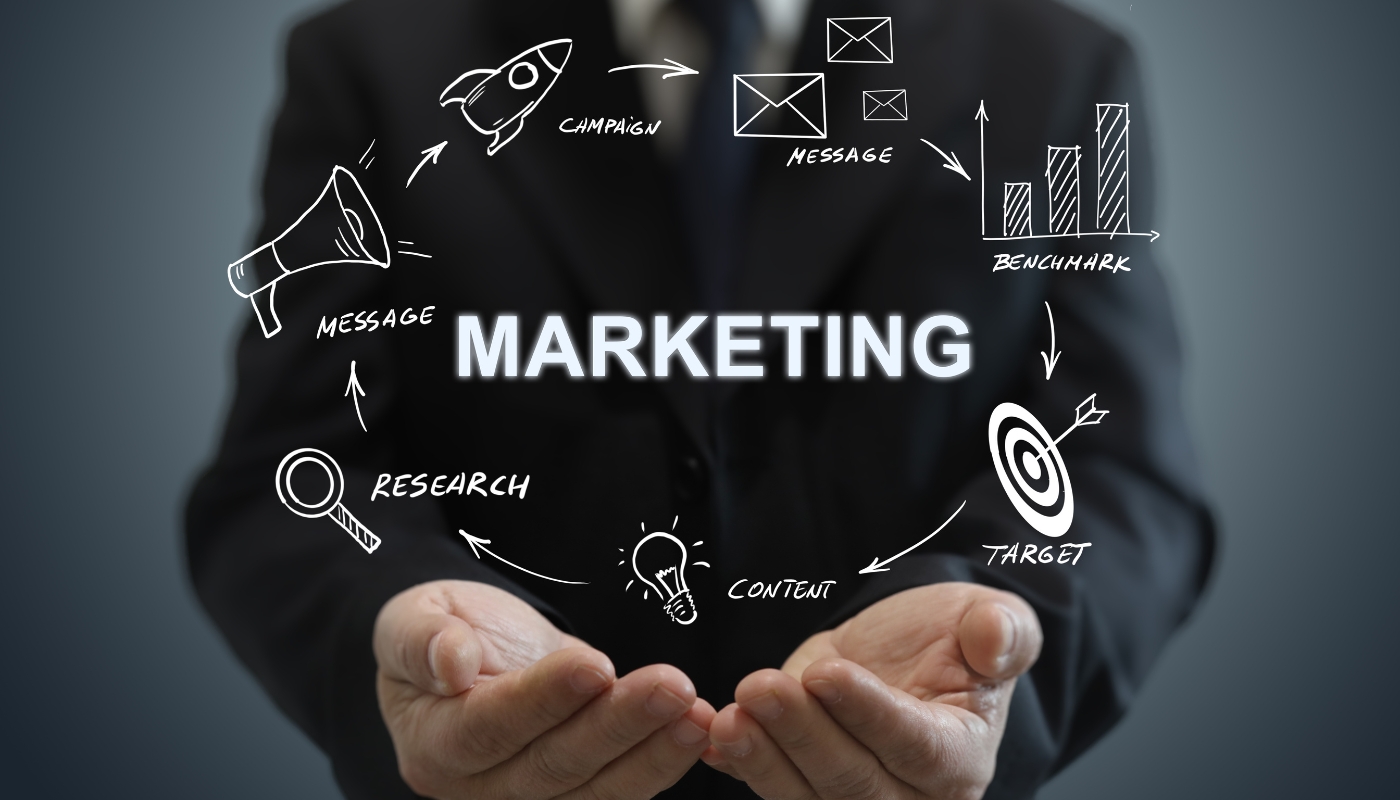
Marketing teams have more data than ever, but many still plan campaigns the old way. They pick a channel, guess at the audience, and check results weeks later. AI changes that. It can sort customer data, spot patterns, and suggest what to test next. But it does not replace people. It works best when a team knows what it wants to learn and uses AI to get there faster.
Why Campaign Planning Needs a Reset
Most campaigns fail for simple reasons. The goal was vague. The audience was too broad. The team had no time to test. And the data came in too late to change anything.
AI helps with the last two problems. It can process large amounts of data in minutes. It can draft ideas, group customers, and flag what is working while the campaign is still running.
But speed alone is not a strategy. If you point AI at a bad plan, you get a bad plan faster. So the first job is to set up the work properly.
Start With a Clear Goal
Before you open any tool, write down what the campaign should do. Keep it short and measurable.
Good goals look like this:
- Get 500 qualified leads in 60 days
- Raise repeat purchases by 10% this quarter
- Cut cost per signup by 15%
Bad goals look like this:
- Increase awareness
- Be more present on social media
A clear goal tells AI what to look for. It also tells your team how to judge the result. If you can’t say what success looks like, you can’t tell if the AI helped.
Use AI to Understand Your Audience
Audience research used to mean surveys, interviews, and a lot of guessing. Those still matter. But AI can add a lot on top.
You can feed it customer reviews, support tickets, survey answers, and social comments. Then ask it to find common themes. What do people complain about? What words do they use? What do they ask before they buy?
This is basic text analysis, and it is a skill worth learning. The Data Science Society runs a text mining monthly challenge that shows how this kind of work is done with real data.
The output is useful in plain ways. You learn the language your customers use. You find the real objections. And you can write copy that sounds like them, not like a brochure.
Turn Raw Data Into Useful Segments
Most teams split customers by age and location. That is a start, but it is thin. Behavior tells you more.
AI can group customers by what they do:
- How often they buy
- What they browse before buying
- How they respond to emails
- When they go quiet
Clustering models do this well. They find groups you did not know existed. For example, you may find a group that only buys during sales, and another that buys full price but rarely opens email.
Each group needs a different message. Once you see the groups, the campaign plan gets much easier.
Plan Content With AI Support
AI is good at the early stages of content work. It can suggest topics, group keywords, and outline articles. It can also look at what your competitors cover and show you the gaps.
Here is a practical way to use it:
- Give it your audience themes and your goal
- Ask for 20 content ideas tied to each stage of the buying process
- Remove anything generic
- Keep the five best and refine them yourself
Notice the human steps. AI gives a long list. A person picks what fits the brand and the goal. That balance keeps the work from sounding flat.
Use AI for first drafts if you like. But edit hard. Add real examples, real numbers, and your own voice. Readers can tell when no one has touched the text.
Speed Up Creative Testing
Testing is where AI saves the most time. Before, a team might test two subject lines. Now it can test ten.
You can ask AI to write several versions of an ad, an email, or a landing page headline. Each version should try a different angle. One might focus on price. Another on speed. Another on trust.
Then run small tests and let the data pick the winner. Keep these rules in mind:
- Change one thing at a time
- Run each test long enough to get a real result
- Write down what you learned, not just who won
That last point matters. A test log becomes a playbook. Over time, you learn what your audience responds to, and new campaigns start from a stronger place.
Predict What Will Work Before You Spend
Predictive models can estimate which leads are likely to convert or which customers are likely to leave. This helps you spend money where it counts.
For example, a lead scoring model can rank new contacts by how closely they match past buyers. Sales can call the top group first. A churn model can flag customers who are drifting away, so you can reach out before they are gone.
You don’t need a huge data team to start. Many marketing platforms now include basic prediction tools. But check how they work. Ask what data goes in and how often the model updates. A model trained on old data can mislead you.
Personalize Without Being Creepy
Personalization works when it feels helpful. It backfires when it feels like surveillance.
Good examples are simple. Recommend products based on past purchases. Send a reminder when someone leaves a cart. Change the email send time based on when each person usually reads.
Bad examples use sensitive details or make people feel watched. If a message would surprise the customer in a bad way, don’t send it.
Also follow privacy rules. Know what data you collect, why you collect it, and whether people agreed. Rules differ by country, so check with your legal team. Trust takes years to build and one bad campaign to lose.
Keep the Team Organized Around the Plan
AI makes it easy to produce more work. That can create chaos. More drafts, more tests, more versions, and more tasks to track.
A shared system helps. Many teams use a project tool to keep briefs, deadlines, approvals, and results in one place. ClickUp is an agile work management platform that teams can use to plan campaign tasks, assign owners, and track progress. Whatever tool you pick, the point is the same. Everyone should know who is doing what and by when.
Set a few simple rules too. Decide who approves AI-written content. Decide where test results are stored. And decide how often the team reviews performance.
Measure Results and Learn Faster
Measurement is where strategy gets smarter. AI can pull data from several channels and show you a single picture. It can also flag odd changes, like a sudden drop in click rate, before you notice them.
Look at a small set of numbers:
- Cost per lead or sale
- Conversion rate by segment
- Return on ad spend
- Customer lifetime value
Then ask AI to explain changes in plain language. Why did conversions drop on Tuesday? Which segment improved? But check its answers. Sometimes it finds a pattern that is just noise.
Hold a short review every week. What worked, what didn’t, and what will you change? Small adjustments each week beat big fixes at the end.
Where AI Goes Wrong in Marketing
AI makes mistakes, and you should expect them. Here are the common ones.
Made up facts. AI can state wrong numbers or claims with full confidence. Check every fact before it goes public.
Bias in the data. If past data favored one group, the model may keep doing it. Review your segments and results for unfair patterns.
Generic output. If every team uses the same prompts, content starts to look the same. Add your own research and point of view.
Over trust. A model’s score is not a fact. Treat it as one input, not the final word.
Weak data. Bad data in means bad results out. Clean your customer records before you build on them.
A simple review step catches most of these. Make it part of the process, not an extra.
Build Data Skills Inside the Team
Tools change fast. Skills last longer. Marketers who understand basic data work get more from AI because they ask better questions and spot bad answers.
You don’t need everyone to code. But a few people should understand statistics, testing, and how models are built. The Learn section at the Data Science Society has practical material to start with. The datathon cases show how real business problems get solved with data, which is useful practice for analysts and marketers alike. And its events page lists workshops where you can learn alongside other practitioners.
Even a few hours a month builds a shared language between marketing and data teams.
A Simple Four Week Rollout
If you are not sure where to begin, try this plan on one campaign.
- Week 1: Write a clear goal. Collect customer feedback, reviews, and past campaign data.
- Week 2: Use AI to find audience themes and build two or three segments.
- Week 3: Create several message variations and launch small tests.
- Week 4: Review results, write down what you learned, and plan the next round.
Keep it small. One campaign, one goal, a few tests. When it works, add more.
Final Thoughts
AI is a tool, not a strategy. It can find patterns, draft ideas, and speed up testing. But people still set the goal, judge the quality, and decide what is right for the brand.
Teams that do well with AI tend to do the basics well. They know their audience. They test often. They write down what they learn. And they keep a person in charge of every important decision.
So pick one step from this guide and try it this week. See what changes. Then keep going.