
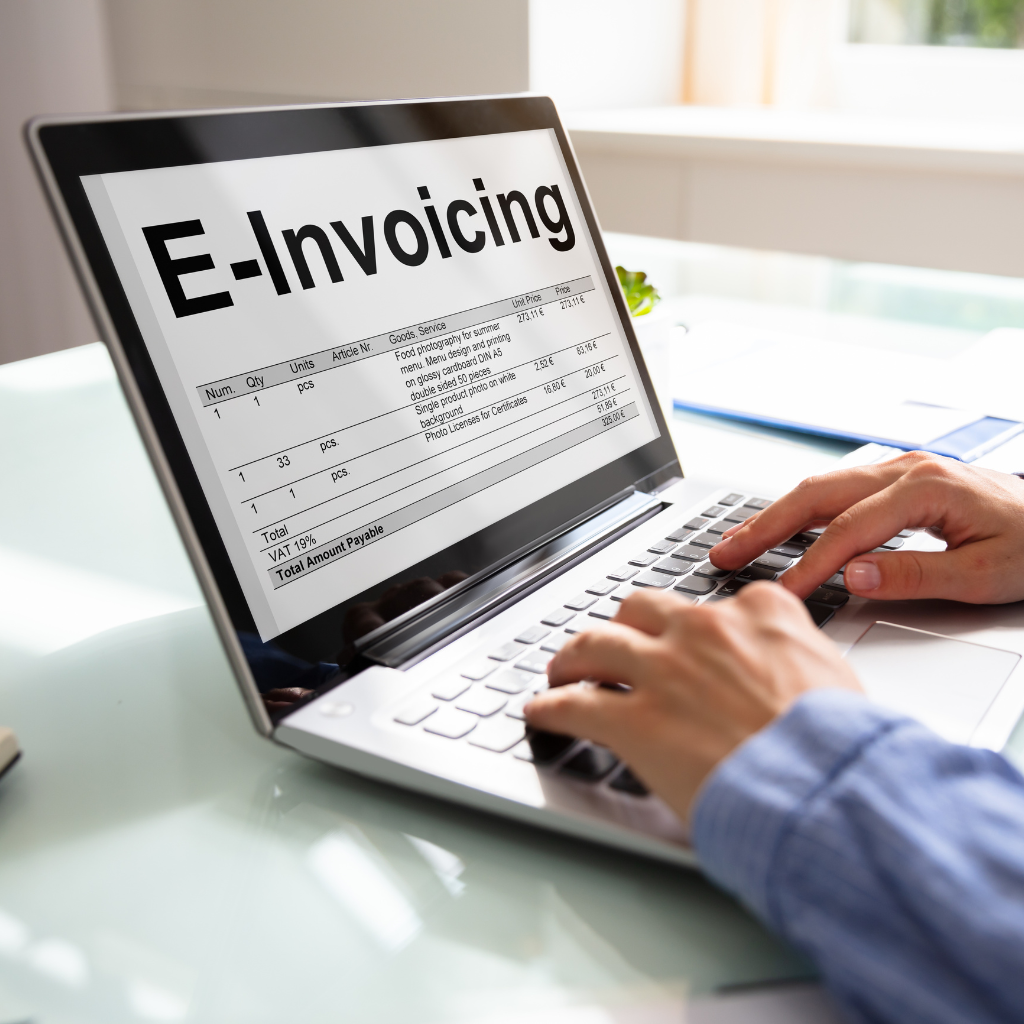
Managing invoices efficiently while maintaining regulatory compliance presents an ongoing challenge for businesses of all sizes. As financial regulations grow more complex and transaction volumes increase, companies must adapt their invoicing processes to avoid costly errors, delays, and penalties. The traditional manual approach no longer suffices in today’s fast-paced business environment. Organizations that implement strategic improvements to their invoicing systems gain significant advantages in accuracy, efficiency, and long-term scalability.
Streamline Invoice Creation With Standardized Processes and Clear Payment Terms
When businesses implement standardized invoicing processes, they reduce errors and accelerate payment cycles. Creating templates with consistent formatting guarantees all necessary information appears on every invoice, including business details, itemized services, and payment instructions.
Clear payment terms eliminate confusion by specifying due dates, accepted payment methods, and late fee policies upfront. Automated invoicing systems further streamline operations by generating invoices from project data or time tracking software, minimizing manual entry errors. Sequential invoice numbering maintains organized records for accounting purposes and simplifies tracking.
Establishing approval workflows prevents unauthorized invoices from reaching clients while maintaining quality control. Defining standard payment windows, such as Net 30 or Net 60, sets consistent expectations across all client relationships, improving cash flow predictability and reducing collection efforts.
Use Automation to Reduce Manual Entry and Billing Errors
Manual data entry creates opportunities for costly mistakes that automation effectively eliminates. Invoicing software can automatically populate customer information, apply correct tax rates, and calculate totals without human error. These systems integrate with accounting platforms to sync financial data in real-time, reducing discrepancies between records. Automated invoicing also generates recurring bills for subscription-based services, ensuring consistent billing cycles without manual intervention.
The software can flag duplicate invoices and alert users to missing information before sending documents to clients. Businesses that implement automated solutions report significant time savings, with staff redirecting efforts toward value-added activities rather than repetitive data entry tasks. Digital automation creates audit trails that document every transaction modification, supporting compliance requirements while minimizing billing disputes.
Stay Current With E-invoicing Regulations and Compliance Requirements
While automation streamlines internal processes, businesses must also navigate the complex landscape of government-mandated e-invoicing standards that vary by jurisdiction. Countries like Italy, France, and India have implemented strict electronic invoicing requirements with specific formats, transmission protocols, and retention policies.
Businesses operating in Italy should understand the role of SDI (Sistema di Interscambio) and how SDI Italy supports the electronic transmission and processing of invoices within the country’s e-invoicing framework. Non-compliance can result in penalties, rejected transactions, and audit complications.
Organizations should designate compliance officers to monitor regulatory changes across operating regions. Implementing invoicing software with built-in compliance features guarantees automatic updates when regulations evolve. This includes support for standardized formats like PEPPOL, UBL, and local variants such as FatturaPA or Factur-X.
Regular audits of invoicing processes help identify gaps before authorities do. Partnering with knowledgeable vendors or consultants familiar with regional requirements reduces compliance risks while maintaining efficient operations.
Improve Invoice Accuracy With Better Data Validation and Approval Workflows
Inaccurate invoices cost businesses time, money, and client trust through payment delays, disputes, and costly corrections. Implementing robust data validation systems prevents common errors before invoices reach clients. Automated validation checks verify essential information, correct pricing, accurate tax calculations, valid purchase order numbers, and proper client details, eliminating manual oversight gaps.
Multi-tier approval workflows guarantee appropriate stakeholders review invoices based on amount thresholds or project parameters. This systematic review catches discrepancies early while maintaining accountability throughout the billing process. Automated routing accelerates approvals without sacrificing accuracy.
Modern invoicing platforms incorporate real-time validation rules that flag inconsistencies immediately, allowing corrections before submission. Integration with existing accounting and enterprise resource planning systems guarantees data consistency across platforms. These combined measures reduce invoice rejection rates, accelerate payment cycles, and strengthen client relationships through reliable, error-free billing.
Protect Financial Records With Secure Storage and Access Controls
Financial data breaches and unauthorized access pose significant threats to businesses of any size, making robust security measures for invoice storage non-negotiable. Organizations must implement encrypted cloud storage systems that protect invoices both in transit and at rest, ensuring sensitive financial information remains confidential.
Role-based access controls limit who can view, edit, or approve invoices, reducing the risk of internal fraud and accidental data exposure. Multi-factor authentication adds another security layer, verifying user identities before granting system access.
Regular security audits identify vulnerabilities in storage systems, while automated backup protocols prevent data loss from technical failures or cyberattacks. Businesses should also maintain detailed access logs that track all invoice interactions, creating an audit trail for compliance purposes and enabling quick detection of suspicious activities.
Track Payments, Exceptions, and Audit Trails More Effectively
Maintaining thorough visibility into invoice lifecycles enables businesses to identify bottlenecks, resolve discrepancies, and demonstrate regulatory compliance with precision. Modern invoicing systems provide centralized dashboards that display payment status, aging reports, and exception flags in real-time. These tools automatically log every transaction modification, approval, and communication, creating extensive audit trails that satisfy tax authorities and internal controls.
Automated alerts notify relevant stakeholders when payments exceed terms, disputes arise, or unusual patterns emerge. This proactive monitoring reduces late payments and prevents revenue leakage. Exception management features route problematic invoices to appropriate personnel for resolution, documenting each step taken.
Digital audit trails eliminate manual record-keeping burdens while providing timestamped evidence of compliance activities. This documentation proves invaluable during audits, disputes, and financial reviews.
Build a Scalable Invoicing Process That Supports Business Growth
As transaction volumes increase, businesses require invoicing infrastructure that adapts without necessitating proportional increases in administrative resources. Scalable systems automate repetitive tasks like invoice generation, payment reminders, and data entry, allowing teams to handle growing workloads efficiently.
Cloud-based invoicing platforms provide this scalability by processing thousands of transactions simultaneously while maintaining accuracy. These solutions integrate with accounting software, customer relationship management systems, and payment gateways to create seamless workflows that eliminate manual data transfers.
Standardized invoice templates and automated approval workflows guarantee consistency across all customer interactions, regardless of volume. Additionally, modular invoicing systems allow businesses to add features, such as multi-currency support or subscription billing, as needs evolve. This flexibility prevents the need for costly system replacements during expansion phases, protecting initial technology investments while accommodating growth.