
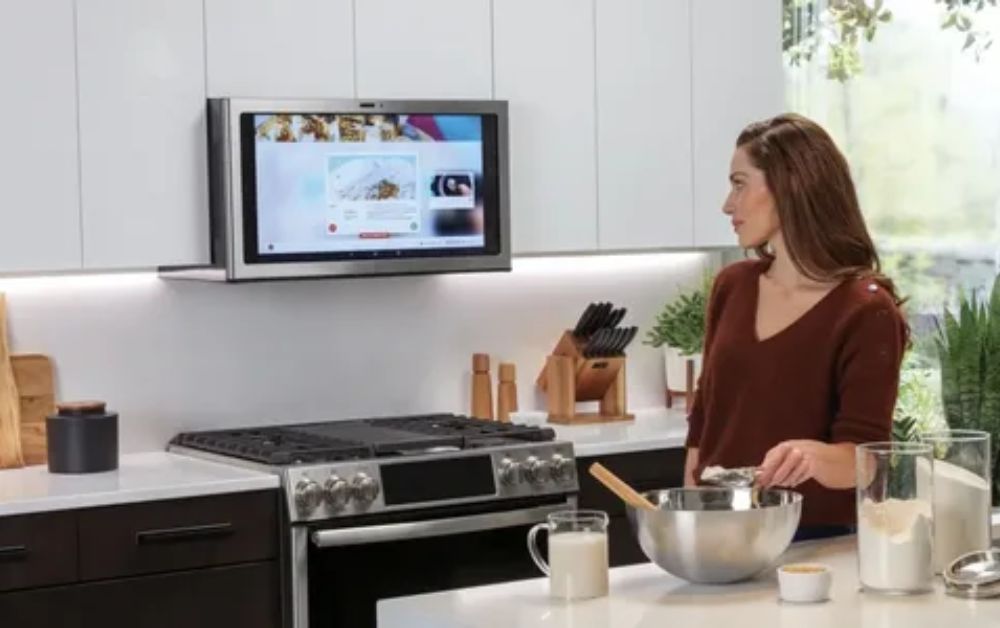
For decades, the kitchen was one of the least data-driven spaces in our lives. A stove was a stove, and a refrigerator simply kept things cold. That is changing quickly. Today, automated kitchen technology is turning everyday appliances into connected, learning systems that sense, predict and adapt. Behind every one of these upgrades sits a data science pipeline: sensors that collect signals, models that interpret them, and algorithms that decide what to do next.
In this article, we look at how data science is reshaping smart kitchen devices, which techniques matter most, and why this space is becoming an exciting playground for data scientists.
The Kitchen as a Data Source
A modern kitchen generates far more data than most people realize. Temperature probes, weight sensors, humidity sensors, cameras, door sensors, power meters and microphones all produce continuous streams of information. When appliances are connected through IoT platforms, this data can be logged, cleaned, labeled and used to train models.
This is the foundation of automated kitchen technology: turning raw sensor readings into decisions. A smart oven does not just heat to a set temperature. It reads multiple signals, compares them with patterns learned from thousands of earlier cooking sessions, and adjusts in real time.
The Data Pipeline Behind Smart Kitchen Devices
Most smart kitchen devices follow a pipeline similar to any applied machine learning project:
- Data collection: Sensors, cameras and user interactions capture temperature, weight, images, usage logs and energy consumption.
- Preprocessing: Noisy sensor data is filtered, missing values are handled, and time-stamped streams are aligned.
- Feature engineering: Raw signals become useful features such as rate of temperature rise, color change in food, or door-open frequency.
- Modeling: Classification, regression, time series and deep learning models are trained for specific tasks.
- Deployment: Models run on the device itself (edge inference) or in the cloud, depending on latency and privacy needs.
- Feedback loop: User corrections and outcomes are fed back to improve future predictions.
For data scientists, the interesting challenge is that many of these models must run on small, low-power hardware while still being accurate and fast.
Key Data Science Applications in Automated Kitchen Technology
1. Computer Vision for Cooking Stage Detection
Cameras inside ovens and cooktops can now recognize what is being cooked and how far along it is. Convolutional neural networks (CNNs) trained on labeled food images can tell whether a steak is rare or well done, whether bread has risen enough, or whether onions have reached the right shade of golden brown. This reduces guesswork and cuts down on burnt or undercooked meals.
2. Predictive Cooking Time and Temperature Control
Regression and gradient boosting models can predict how long a dish will take based on its weight, starting temperature, oven behavior and past runs. Some systems combine this with reinforcement learning, where the appliance learns which heating strategies produce the best results over time.
3. Smart Refrigerators and Food Waste Reduction
Among the most practical smart kitchen devices are refrigerators that track inventory using cameras and weight sensors. Object detection models identify items, while expiry prediction models estimate freshness from storage conditions and elapsed time. The result is fewer forgotten leftovers and less household food waste, a problem with real environmental and financial impact.
4. Predictive Maintenance
In commercial kitchens, equipment downtime is expensive. Vibration, temperature and current-draw data from refrigeration units, fryers and dishwashers can be analyzed with anomaly detection and survival models to predict failures before they happen. Maintenance teams can then act early instead of reacting to breakdowns in the middle of a dinner rush.
5. Personalized Recommendations
Recommendation systems are moving from recipe apps into the appliances themselves. By combining dietary preferences, allergies, health goals and cooking history, models can suggest meals and even send cooking programs directly to the device. Collaborative filtering and content-based approaches both play a role here.
6. Energy Optimization
Time series forecasting helps appliances learn household usage patterns and run energy-heavy tasks at cheaper or greener times. For businesses, this adds up to meaningful savings across many devices.
7. Demand Forecasting for Cloud Kitchens
Automated kitchen technology is not limited to homes. Cloud kitchens use time series models to forecast order volumes, plan ingredient purchasing and schedule staff. Better forecasts mean less waste and faster delivery.
Challenges Data Scientists Must Solve
Building intelligent smart kitchen devices is not as simple as training a model and shipping it. Several real-world issues need careful attention:
- Data quality and labeling: Food appearance varies widely across cuisines, lighting and cookware, making labeled datasets expensive to build.
- Edge constraints: Models must be compressed through pruning, quantization or distillation to run on embedded hardware.
- Privacy and security: Cameras and microphones in the home raise serious privacy concerns, so on-device processing and transparent data policies matter.
- Safety: Errors in a kitchen can cause burns, fires or food poisoning, so models need conservative fail-safes.
- Personalization versus generalization: A device must work well out of the box, then adapt to each household’s habits.
Why This Field Matters for Data Scientists
The growth of automated kitchen technology creates opportunities across the entire data science skill set: computer vision, time series analysis, recommendation systems, anomaly detection, NLP for voice assistants, and MLOps for deploying models at scale. It is also a field where projects are easy to explain and relate to, which makes it great for portfolios.
If you want to experiment, you can start small. Build a food image classifier, forecast restaurant demand from public datasets, or simulate sensor data to practice predictive maintenance. These projects mirror the problems solved by commercial smart kitchen devices.
The Road Ahead
The next generation of kitchen appliances will be defined less by hardware and more by the intelligence inside them. Advances in edge AI, multimodal models and low-cost sensors will make smart kitchen devices more accurate, more affordable and more personalized. At the same time, restaurants and food businesses will rely increasingly on automated kitchen technology to improve consistency, reduce waste and scale operations.
Conclusion
Data science is the engine that turns a regular appliance into a smart one. From computer vision and predictive maintenance to recommendation systems and energy optimization, the techniques are familiar, but the applications are fresh and impactful. As automated kitchen technology continues to mature, data scientists who understand both the models and the real-world constraints of the kitchen will be in a strong position to shape how we cook, eat and manage food in the years ahead.