
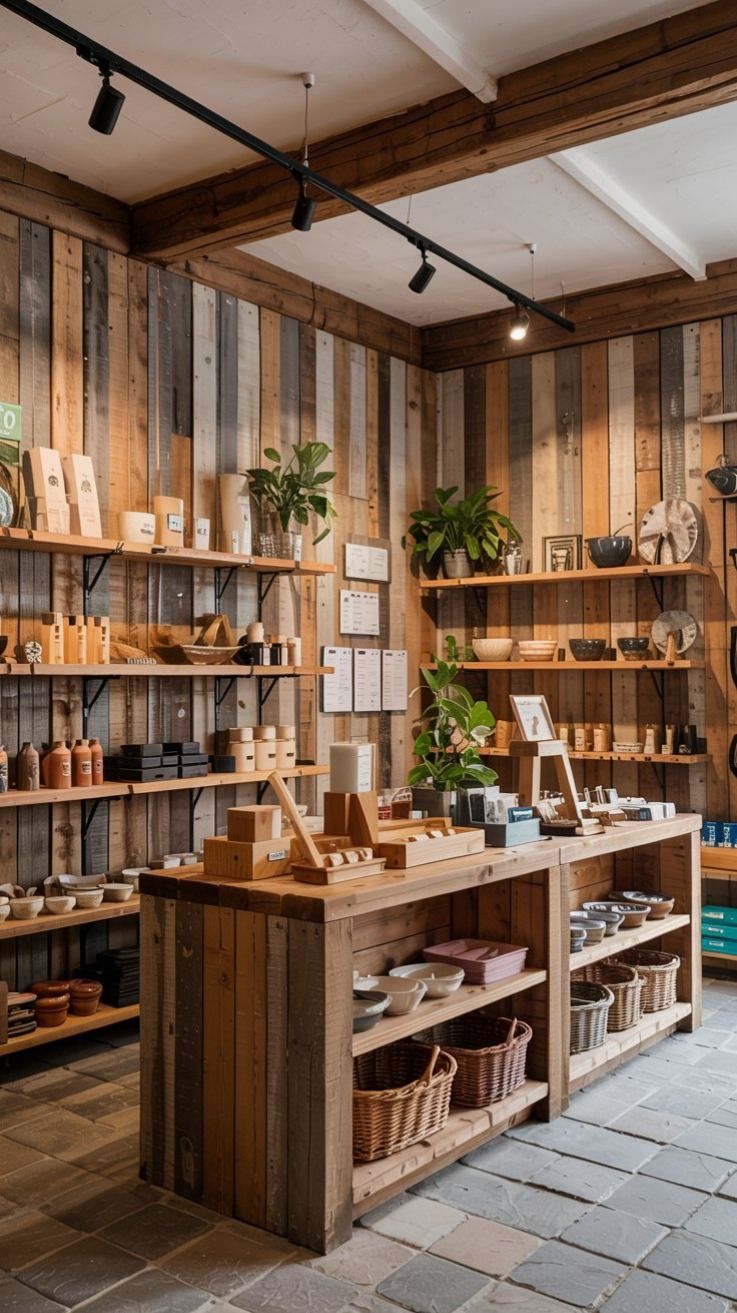
Decoration Should Begin With the Customer
Retail decoration is most effective when it is designed around the people who will use the store. Before selecting paint colours or furniture, consider what customers expect from the product category and how they prefer to shop. A convenience store needs clear routes and quick access to everyday items. A fashion boutique may need room to browse, fitting areas, mirrors, and space to compare outfits. A technology shop may require secure product presentation and room for demonstrations. Speak with existing customers where possible and observe how visitors move through the premises. These insights help you make design decisions that solve real problems rather than simply following a trend.
Create a Consistent Visual Identity
A recognizable store environment reinforces the brand at every visit. Choose a small palette of primary and supporting colours, then use it consistently across walls, signs, counters, packaging, and selected fixtures. Typography should be readable and aligned with the character of the business. Materials also communicate a message: natural wood can create warmth, metal can suggest durability, and glass can provide a clean, open appearance. The goal is not to use every finish at once. Select a few that complement the products and maintain a consistent standard throughout the premises. A coherent visual identity helps customers understand the store’s positioning before they speak to an employee.
Use the Entrance to Set Expectations
The entrance is the first opportunity to communicate what the store offers. Keep the doorway clear and make the shop name and main category easy to identify from outside. A window display can introduce a seasonal collection, a best-selling item, or a simple product story. Avoid overcrowding the window with too many messages. Instead, select a small group of products and arrange them at different heights to create visual interest. Refresh the display regularly so returning customers have a reason to look again. Inside the entrance, provide enough open space for shoppers to adjust to the environment without immediately encountering a crowded fixture or promotional stand.
Balance Colour With Product Visibility
Colour can influence mood and help organize different sections, but it should not overpower merchandise. Neutral backgrounds often allow products to stand out, while selected accent colours can highlight brand personality or identify departments. Consider how the colours interact with product packaging, clothing, food, or other merchandise. If the inventory already contains many bright colours, a quieter background may create a more balanced presentation. Use colour strategically on feature walls, signage, or small decorative details. Test paint and material samples under the store’s actual lighting before committing to a large area, because a shade may look different in daylight and artificial light.
Layer Lighting for Comfort and Focus
A well-lit store is easier to navigate and makes products more appealing. Start with general lighting that provides even coverage and avoids dark corners. Add task lighting where customers need to inspect details, such as jewellery counters, cosmetics areas, or product demonstration tables. Accent lighting can emphasize a new collection or a key display. Avoid glare on glass, screens, and polished surfaces, and check that lighting does not create uncomfortable shadows around mirrors or fitting rooms. Choose a consistent lighting approach across related areas, while allowing focal displays to receive additional attention. Regularly clean fittings and replace failed bulbs to maintain the intended effect.
Arrange Fixtures Around Movement
Furniture placement affects both the appearance and usability of a store. Customers should be able to move between departments without squeezing past racks or encountering unexpected dead ends. Leave comfortable aisle widths, consider turning space, and keep exits and safety equipment unobstructed. Position counters where staff can serve customers efficiently without blocking the main route. Movable tables and modular shelving can help retailers adjust the floor as collections change. For inspiration when planning Retail Displays, look at how different fixture types can define zones, introduce focal points, and keep merchandise visible from more than one direction.
Choose Materials for Durability and Maintenance
A beautiful store can quickly look neglected if finishes are difficult to clean or easily damaged. Select materials based on the amount of daily use they will receive. High-contact counters need surfaces that tolerate regular cleaning, while shelves should be appropriate for the weight and dimensions of the merchandise. Glass can create an elegant presentation but requires regular cleaning and careful handling. Metal and laminate may suit high-traffic areas where durability is a priority. Ask suppliers for care instructions and information about replacement parts. The right material is one that supports the desired appearance while remaining practical for everyday retail operations.
Make Signage Helpful, Not Overwhelming
Good signs reduce uncertainty. Customers should be able to identify departments, prices, promotions, fitting rooms, service desks, and checkout points without asking for directions. Use a consistent hierarchy: larger signs for main categories, smaller signs for subcategories, and clear labels at product level. Keep promotional wording accurate and avoid using too many competing fonts or colours. Digital screens can be useful for changing offers, but they should not distract from the products or make the store feel noisy. Check signs from the customer’s eye level and replace damaged or outdated material promptly. Clear communication is a practical part of good decoration.
Design Comfortable Service Areas
The checkout, consultation counter, fitting room, and waiting area deserve as much attention as the main sales floor. A checkout should have enough space for transactions, bags, payment equipment, and impulse products without creating clutter. Fitting rooms need privacy, good lighting, hooks, mirrors, and a place to sit or place belongings. Service counters should be easy to approach and provide enough room for staff to assist customers. In businesses where customers wait, provide comfortable seating where space permits. These details communicate care and can make the overall shopping experience feel more professional.
Use Store Fixtures That Fit the Concept
The best commercial furniture supports both the brand and the way products are sold. A boutique may need garment rails, display tables, mirrors, and a welcoming reception counter. A pharmacy may prioritize categorized shelving and clear service counters. A jewellery shop may require illuminated, secure showcases. When comparing Store Fixtures, consider dimensions, load capacity, material, finish, storage, and whether the units can be customized. Ant Display Is A Professional Manufacturer of Retail Store Fixtures, Customized Mall Kiosks, Display Showcases, Racks, & Shelving, Glass Display Cases, Led Lighted Fixtures, Reception Desks, Decoration Props & More. We Provide Full Shop Interior Design, Retail Displays & All Commercial Fixtrues For All Business Needs.
Keep the Space Fresh Over Time
Decoration is not a one-time project. Dust, wear, changing inventory, and customer expectations all affect how a store feels. Create a schedule for cleaning, checking lights, repairing fixtures, and refreshing window displays. Review the layout when product categories change or when staff notice recurring congestion. Seasonal details can add interest, but avoid purchasing decorations that have little connection to the brand or merchandise. Track customer comments and sales patterns after significant changes. A practical, well-maintained environment is usually more effective than a visually dramatic space that is difficult to use. Good decoration combines style with everyday function.
Conclusion
A strong retail environment makes customers feel comfortable, helps them understand the products, and supports efficient service. Begin with customer needs, build a consistent visual identity, and use the entrance, colour, lighting, signage, and fixtures with a clear purpose. Prioritize durable materials and accessible movement, then maintain the space as the business evolves. When decoration is connected to the shopping journey, it becomes more than appearance: it becomes part of how the store communicates value and earns customer confidence.