
Influencer marketing delivers a short-term return-on-investment index of 99, almost matching the all-channel average of 100, according to a recent research from the UK’s Institute of Practitioners in Advertising, based on 220 campaigns across 36 sectors and 28 markets. That’s a promising starting point for brands investing in famous faces, major creators and headline-grabbing collaborations, but the real challenge starts when the campaign report lands and everyone wants to know whether the partnership actually earned its price tag.
Because a celebrity wearing your trainers, a famous athlete promoting your drink or a creator fronting your beauty launch generates plenty of attention, but attention alone tells you very little about the business impact. Did the partnership attract new customers? Improve brand reputation? Shift purchasing behaviour? Or simply put your logo in front of people who already knew and loved your product? Getting those answers right requires smarter attribution, thoughtful talent management and a clear understanding of where the value actually comes from.
How Do You Separate the Partner’s Existing Popularity From the Value the Partnership Actually Creates?
Here’s the first trap: a brand signs a superstar, engagement shoots up, sales rise by 12%, and everyone declares victory. The trouble is that the increase could also reflect a seasonal sales peak, a product launch, a competitor running out of stock or customers who were already planning to buy.
The key question is what would have happened without the partnership, which is where incrementality enters the conversation. Rather than crediting the collaboration for every sale recorded after launch, analysts need a credible estimate of the additional results it generated.
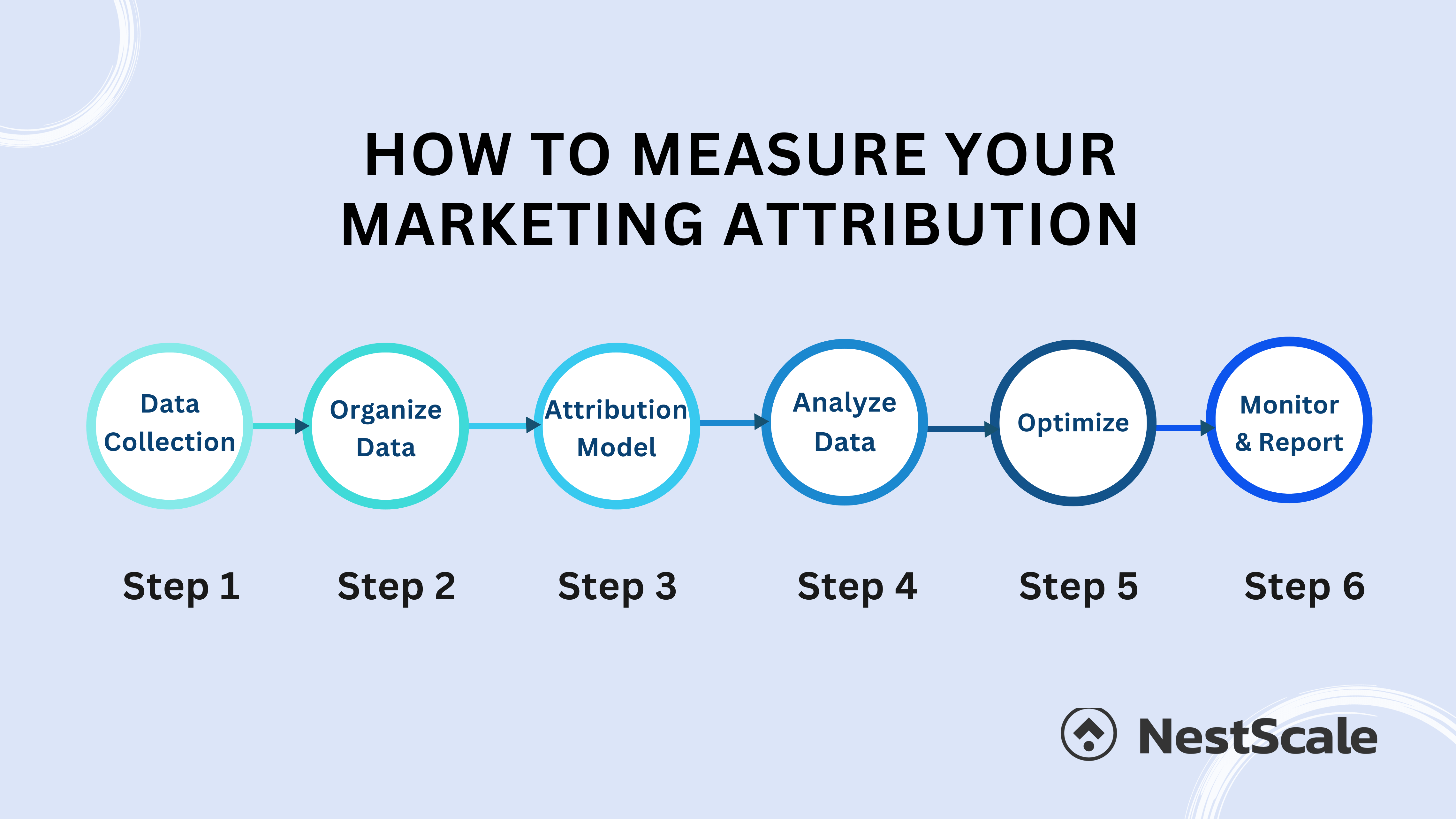
A practical starting point is to record sales, website traffic, branded search volume, brand awareness and purchase consideration before the campaign begins, then compare results against a suitable control group or comparable market that wasn’t exposed to the activity. Where randomised testing isn’t practical, matched-market analysis and carefully designed pre-and-post comparisons offer useful alternatives, although each comes with limitations.
For example, if sales rise by 12% in the campaign market and 7% in a comparable market without the partnership, that five-percentage-point difference provides an initial estimate of incremental lift, provided the markets were genuinely comparable and other influences were accounted for.
Talent selection matters here, too. So before signing anyone, examine audience demographics, geographic relevance, existing brand associations and historical campaign performance. A celebrity with 20 million followers offers limited incremental value if most followers sit outside your target market or already buy your product.
Can a Partnership Generate Huge Engagement While Damaging Brand Perception?
A campaign racks up millions of views, the comments section explodes and the marketing team celebrates. Then brand tracking reveals that audiences increasingly associate the company with controversy, excessive commercialisation or a celebrity whose values clash with its own.
That’s why engagement figures need company from brand perception measures. Likes and shares show audience activity, while awareness, favourability, trust, consideration and purchase intent help explain what that activity actually means for the brand.
Try this: Run a short brand-lift survey before and after the partnership, comparing exposed audiences with a suitable unexposed group. Track positive and negative sentiment across social conversations, examine recurring complaints and segment the results by audience type. Treat automated sentiment analysis as a useful screening tool, then review the context manually because sarcasm, humour and online pile-ons regularly confuse algorithms.
This is where talent management strategies directly influence partnership performance. Regular communication, clear behavioural expectations and agreed approval processes help brands and talent stay aligned as campaigns evolve, reducing the risk of mixed messaging, creative fatigue or reputational missteps. By keeping a close eye on changes in the talent’s public image and audience response, teams spot potential issues earlier, giving them more time to adjust campaign messaging and protect brand credibility before negative associations spread.
To make this work, establish regular performance reviews around key campaign milestones and track changes in sentiment, brand consideration and reputational risk against agreed benchmarks. When the data signals a problem, investigate what is driving the change, consult the talent’s representatives and adjust the creative direction or activation plan accordingly. This proactive approach helps teams address emerging issues before they undermine consumer trust, preserving brand equity and keeping the partnership aligned with its original objectives.
How Should Brands Attribute Value When a Partnership Benefits Both Parties Unequally?
Partnerships are rarely a perfectly balanced deal. A rising athlete might gain credibility and lucrative opportunities from a global sportswear brand, while the brand gains cultural relevance and access to a younger audience. Both benefit, but their gains look very different on a spreadsheet.
The challenge is to define value for each party before the campaign begins. For the brand, that could include incremental revenue, customer acquisition, brand consideration and long-term customer value. For the talent, it could include compensation, audience growth, reputation, exposure and future commercial opportunities.
Start by agreeing on a shared measurement framework, then define each party’s objectives, data responsibilities and reporting schedule in the contract. Use separate scorecards for each partner’s outcomes, alongside shared indicators such as campaign reach, audience growth and sales lift.
Then calculate the full cost of the partnership. Include talent fees, production, agency costs, paid amplification, event activation, usage rights and internal resources. Compare those costs against incremental results, while keeping longer-term brand effects distinct from directly attributable revenue.
The Real Win Is Better Decisions, Not Bigger Reports
High-profile brand partnerships deserve measurement frameworks that follow the full journey from talent selection to audience response, incremental business impact and long-term relationship value. Start with a credible baseline, monitor brand perception alongside engagement, and agree on each partner’s objectives before money changes hands.
Then bring those insights into regular talent reviews, contract negotiations and future campaign planning. Over time, the process creates a clearer picture of what drives growth, which relationships deserve further investment and where budgets are being wasted, allowing brands to make more confident decisions and build partnerships that deliver lasting commercial value.