
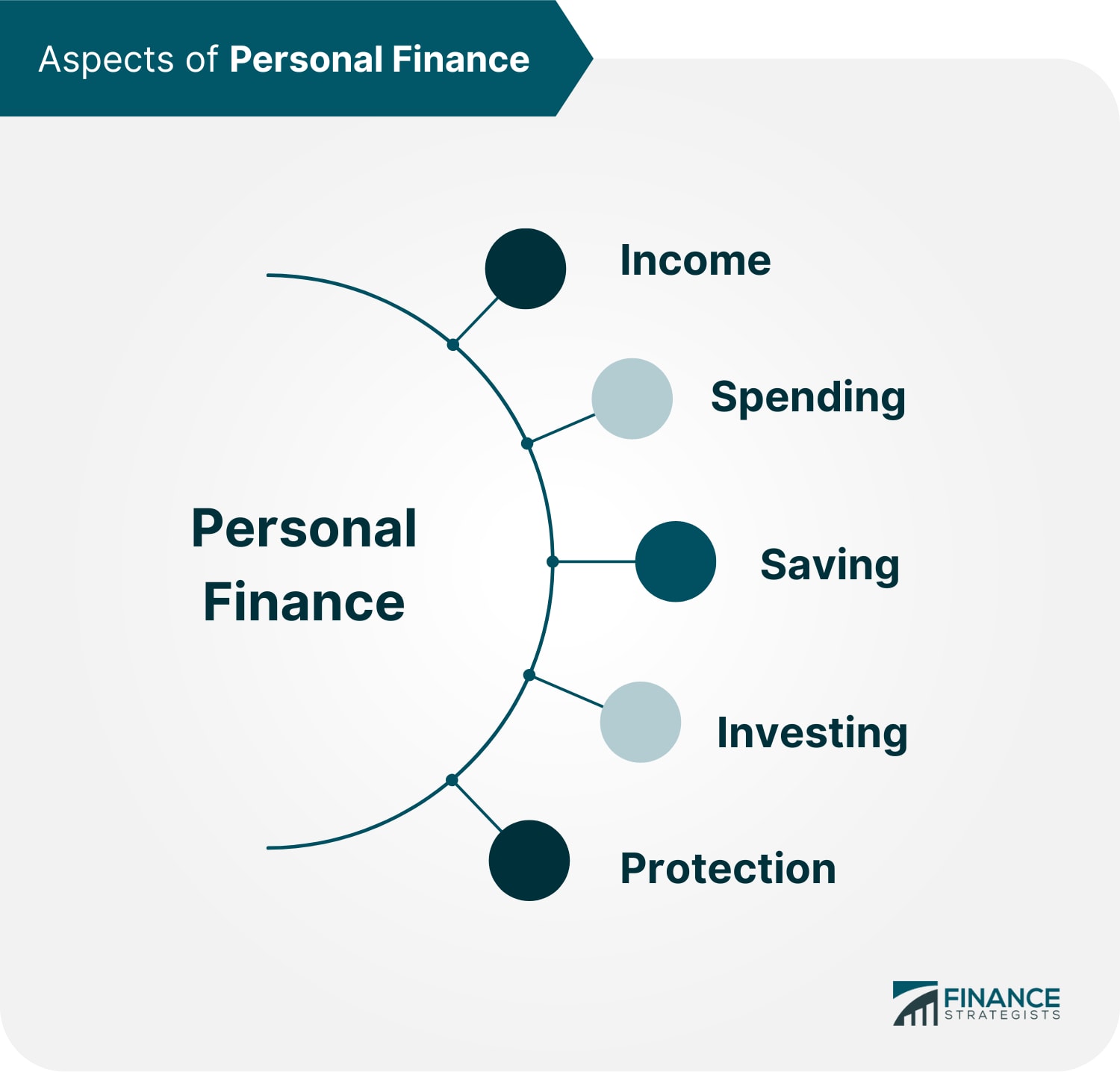
Managing money is a challenge for many people. Data science is changing how we handle personal finance and make financial choices. This blog will show you tools and tips powered by data to improve your financial decisions.
Keep reading to learn more!
The Role of Data Science in Personal Finance
Data science changes how we manage money. It helps people make smarter financial choices using data tools.
Turning raw data into actionable insights
Raw data often looks messy and confusing. Data science cleans it up, organizing numbers and facts into useful patterns. This turns complex information into more personalized recommendations.
Algorithms uncover spending habits or savings gaps in minutes. They turn raw numbers into clear advice on budgeting or debt reduction. With accurate insights, people can save more money or avoid costly mistakes early on.
Enhancing financial literacy through data-driven tools
Data-driven tools make financial learning easier. These tools break complex concepts into simple steps. Apps with interactive charts help users understand spending and savings habits. Tools like budget calculators show how small changes impact finances.
Artificial intelligence creates personalized advice for users. It tracks income, expenses, and investments to suggest smarter money decisions. Gamified platforms teach budgeting through games and rewards, keeping it fun and engaging.
Applications of Data Science in Financial Decision-Making
Data science helps people make smarter money choices. It uses advanced tools to improve accuracy in financial plans.
Predictive analytics for budgeting and forecasting
Predictive analytics uses patterns in financial data to estimate future expenses and income. It helps people plan budgets by spotting trends, such as monthly spending habits. Tools using this method can predict cash flow and alert users about possible overspending or savings gaps.
Similar analysis is important in real estate investing, where DSCR loans in Hawaii use a property’s rental income and debt obligations to determine its debt service coverage ratio.
This approach also supports better financial forecasting. For example, it may analyze market conditions to prepare for economic changes that could impact personal finances. These insights build stronger strategies for money management, leading into detailed tools like machine learning systems in investments.
Machine learning in investment strategies
Budgeting tools help plan finances, but investing needs smarter approaches. Machine learning studies data patterns to predict stock prices or market trends. It learns from past performance and adapts quickly to changes. This improves accuracy in identifying opportunities. Investors gain insights into risks and returns before making decisions.
AI-powered platforms offer personalized portfolios based on user preferences. These systems balance risk levels and expected gains automatically. They also detect shifts in the market faster than humans can. Tools like robo-advisors make smart suggestions for better investments while saving time and effort for users.
Automation of expense tracking and management
Machine learning helps simplify expense tracking. It categorizes spending into clear groups like groceries or travel. Smart tools notify users about unusual transactions.
Automated systems sync with bank accounts in real time. They create detailed reports and show patterns in spending. These insights help users stick to budgets and save more money easily.
Data Science and Risk Management
Data science helps reduce risks in personal finance. It uses advanced tools to keep financial data safe and accurate.
Fraud detection and prevention systems
Fraud detection systems use machine learning to spot unusual activity in real time. These tools analyze spending patterns and flag transactions that look suspicious. Banks and apps use them to protect accounts from theft.
Prevention systems also predict future risks. For example, they monitor login locations and device usage for security threats. Such measures help stop fraud before it happens, keeping personal finances safe.
Improved credit scoring models
Detecting fraud has made finance safer. Credit scoring models now use advanced data science to improve accuracy.
Traditional credit scores relied on limited factors like payment history and income. New models analyze more data, such as spending patterns, savings habits, or even utility payments.
AI algorithms process this data faster and spot trends missed by older methods. This creates fairer evaluations for people with little credit history. More accurate scores help lenders reduce risks and provide better loan options for borrowers.
Fintech Innovations and Data Science
Fintech uses data science to make managing money easier and smarter. It creates new tools that improve how people handle their finances.
Robo-advisors for personalized financial planning
Robo-advisors use algorithms to manage and plan finances. These tools analyze data, like income and spending habits, to create custom investment plans. They help users set goals for saving or retirement without needing a human financial advisor.
Many robo-advisors offer low fees, making them budget-friendly. Some also adjust investments automatically based on market trends. This keeps portfolios balanced while reducing risk. People can track progress in real-time through apps or websites.
Blockchain for secure financial transactions
Robo-advisors simplify personal financial planning, but security is crucial for transactions. Blockchain offers a secure way to record financial data.
Blockchain works like a digital ledger. It protects information with complex codes and stores it across many computers. This makes hacking nearly impossible. Major banks use blockchain to process payments faster and cheaper while keeping them safe from fraud. Its transparent system builds trust among users, ensuring their money stays secure.
The Impact on Consumer Behavior
Data science helps people understand their spending habits better. It also encourages smarter financial choices through real-time insights.
Real-time spending analysis and recommendations
Real-time analysis tracks your spending instantly. It uses data tools to show how much and where you spend. Apps can alert users when expenses get too high. For example, if grocery bills increase suddenly, the system suggests cutting back or finding deals.
Smart algorithms offer tips based on habits. They might recommend cheaper subscriptions or switching services for better savings. This helps users avoid overspending while sticking to budgets more effectively.
Encouraging sustainable and ethical investing
Data science helps investors choose ethical and sustainable options. It analyzes companies that focus on clean energy, fair labor, and eco-friendly practices. Investors can access tools that show which businesses align with their values.
Apps powered by data allow users to track the environmental impact of investments. Machine learning models predict long-term benefits of choosing green projects over harmful ones. This bridges into how risk is managed in finance today.
Challenges and Ethical Considerations
Data privacy remains a major concern as technology advances. Balancing automation with human input raises ethical questions.
Data privacy and security concerns
Protecting personal data is crucial in financial tools. Cyberattacks and data breaches can expose sensitive information like bank details and Social Security numbers. Hackers target platforms handling large user datasets, putting consumers at risk. Strong encryption methods help secure this data, but threats continue to evolve.
Sharing financial data with third parties raises trust issues. Some companies misuse or sell customer information without consent. Regulations such as GDPR and CCPA aim to protect users’ rights and privacy by enforcing strict rules on data sharing and storage practices. Consumers must stay informed about how their data is handled for added safety.
Balancing automation with human judgment
Automation speeds up financial decisions. It uses algorithms to analyze vast amounts of data. Robo-advisors suggest investments based on past trends and user preferences. Yet, human judgment adds value in complex situations. Machines cannot always understand emotions or unique goals. Personal advice remains crucial in big decisions like retirement planning.
Blind trust in automation may lead to mistakes. Errors in coding or outdated models can cause wrong predictions. Combining tech with human review reduces risks and improves accuracy. As automation grows, the focus shifts to creating secure and collaborative systems for better personal finance management.
Future Trends in Data Science and Personal Finance
AI will make managing money easier with smarter tools. Personal finance apps will become more connected and intuitive.
AI-driven financial ecosystems
AI-driven financial ecosystems use advanced technology to simplify money management. These systems analyze large amounts of data quickly. They help users make smarter financial decisions, like saving or investing more effectively.
Personalized tools powered by AI can track spending and suggest ways to cut costs. Some platforms also predict market trends for better investment opportunities. Automation features reduce human error, making finances more secure and efficient.
Integration of data science in everyday financial tools
Data science powers many tools people use daily to manage money. Budgeting apps analyze spending patterns and give tips to save more. Credit monitoring services use data-driven models to show credit scores and offer advice for improvement.
Smart algorithms in these tools predict future expenses based on past behavior. Personal finance management becomes simpler with automated reminders for bills and savings goals.
Conclusion
Data science is changing how we manage money. It helps people make smarter choices with clear insights and tools. From tracking expenses to planning investments, it simplifies everything.
With its growth, personal finance feels more accessible and secure than ever before. The future holds even more exciting possibilities for everyone.