
Artificial intelligence has changed how software products are built, marketed, discovered, and evaluated. AI startups are launching new categories at a rapid pace, while established SaaS companies are adding AI features to their existing platforms.
This shift has also changed SEO.
A software company can no longer depend only on traditional keyword rankings. Buyers now discover products through Google, AI-powered search, comparison websites, review platforms, communities, and industry publications.
For startups, the challenge is to build visibility across these different discovery channels while maintaining a website that converts visitors into trials, demos, leads, and customers.
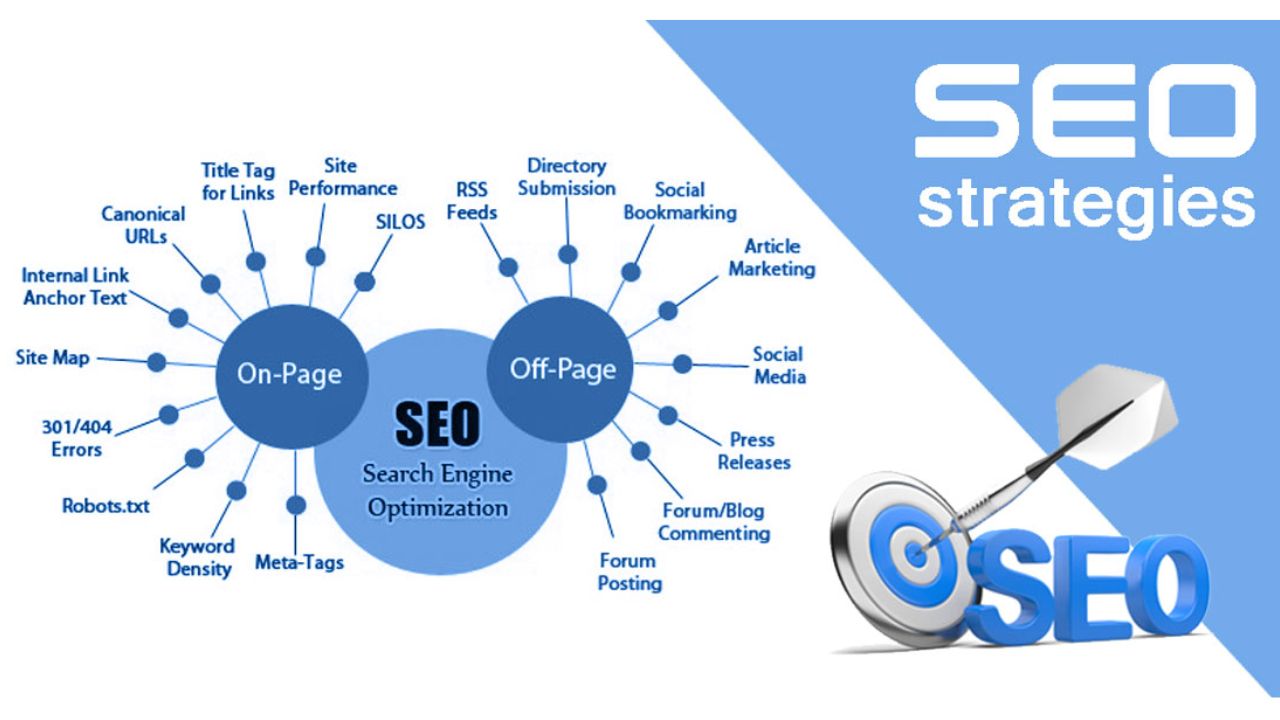
A successful SEO strategy therefore needs to combine technical optimization, search-intent research, content architecture, product-led SEO, authority building, programmatic SEO, digital PR, and AI-search optimization.
AI Search Is Changing How Customers Discover Software
Traditional search usually starts with a keyword.
AI-powered search often starts with a question.
Instead of searching:
“Best CRM software”
a potential customer might ask:
“What CRM should a small B2B SaaS company use if it needs automation and Slack integration?”
This creates a more contextual discovery process.
AI search systems can evaluate multiple sources and provide summarized recommendations. As a result, software companies need to provide clear, authoritative, and well-structured information about their products.
Important information should be easy to understand across:
- Product pages
- Feature pages
- Documentation
- Comparison pages
- Industry pages
- Use-case pages
- Research reports
- Third-party publications
- Reviews
- Expert content
The goal is to make the company easy to understand for both traditional search engines and AI-driven discovery systems.
AI SEO for Startups Requires Category-Level Thinking
Many AI startups are entering markets that are still developing.
Potential customers may use several terms for the same solution because the category itself has not become standardized.
For example, a product could be described as:
- AI agent software
- AI automation platform
- Autonomous AI assistant
- AI workflow tool
- AI business automation
- AI employee
A strong seo for ai startups strategy identifies these relationships instead of focusing on a single keyword.
SEO Circular’s dedicated AI startup SEO approach addresses category mapping, technical SEO, buyer-intent content, programmatic SEO, digital PR, GEO, and revenue attribution. SEO for AI Startups
This type of strategy is useful when an AI company needs to establish its category while also capturing existing search demand.
AI Startups Should Build Topic Authority
A new AI company should not expect one product page to establish authority around an entire category.
Instead, build interconnected topic clusters.
For an AI recruitment platform, a content ecosystem could include:
- AI recruiting software
- AI resume screening
- AI candidate matching
- AI interview tools
- AI recruiting automation
- AI hiring workflows
- Applicant tracking software
- AI recruiting analytics
- AI recruiting integrations
- AI recruiting best practices
The core product page can act as the commercial destination while supporting articles explain related problems, use cases, and technologies.
Internal links should connect these pages naturally.
This creates a stronger topical structure and gives search engines additional context about the website’s expertise.
AI SaaS Companies Need a Commercial SEO Framework
Many SaaS businesses now incorporate AI features into their products.
This creates a hybrid search environment where the company may need to rank for both SaaS and AI-related searches.
For example, a marketing platform could target:
- Marketing automation software
- AI marketing platform
- AI content automation
- Email marketing automation
- Marketing analytics software
- AI campaign optimization
- Marketing software for agencies
This requires an architecture that connects traditional SaaS categories with AI capabilities.
SEO Circular’s SEO For SaaS Companies resource focuses on building scalable organic acquisition through technical SEO, content, keyword strategy, authority, and commercial search opportunities.
AI Keyword Research Should Start With Problems
One of the most effective approaches for AI companies is to research customer problems before focusing exclusively on product terminology.
Ask:
- What problem does the product solve?
- What manual process does it replace?
- What outcome does the customer want?
- What alternatives do customers currently use?
- What software do they compare?
- What questions do buyers ask before purchasing?
For example, an AI customer support product may target searches related to:
- Reduce customer support costs
- Automate support tickets
- AI customer service
- AI help desk
- Customer service chatbot
- Automated customer support
- AI support agent
These searches may be more valuable than simply targeting a broad keyword such as “AI.”
AI Product Pages Should Be Built for Search Intent
A product page should answer the questions a potential customer has before taking action.
Important elements include:
Clear Product Definition
Explain exactly what the software does.
Target Audience
State who should use the product.
Core Problems
Explain the problems the product solves.
Features
Describe the most important capabilities.
Use Cases
Show how customers can use the software.
Integrations
Explain which platforms connect with the product.
Proof
Use case studies, testimonials, data, or other evidence.
Conversion
Provide a clear next step such as a demo, trial, or signup.
A strong product page is simultaneously a search landing page and a sales asset.
AI Use-Case Pages Can Capture High-Intent Searches
Use-case pages connect a specific customer need with the product.
Examples include:
- AI for sales automation
- AI for customer support
- AI for recruitment
- AI for marketing
- AI for data analysis
- AI for content workflows
- AI for ecommerce
These pages can be especially effective because they target users who already understand what they want to accomplish.
The content should explain:
- The problem
- The traditional approach
- How AI changes the workflow
- How the product supports the workflow
- Expected benefits
- Relevant features
- Examples
- A logical next step
AI Comparison Pages Can Influence Buying Decisions
Comparison searches often indicate strong purchase intent.
Potential page formats include:
- Product vs competitor
- Product alternatives
- Best AI tools for a specific use case
- AI software comparison
- AI platform alternatives
- Best AI software for startups
A good comparison page should provide actual decision-making information.
Compare:
- Features
- Use cases
- Integrations
- Pricing
- Ease of use
- Target customers
- Support
- Automation capabilities
Avoid producing hundreds of pages with the same template and only changing competitor names.
Quality and usefulness should remain the priority.
AI SaaS Integration Pages Can Scale Organic Visibility
SaaS companies frequently integrate with other platforms.
This creates an opportunity to build dedicated pages around genuine integrations.
For example:
- AI CRM + Slack
- AI CRM + Salesforce
- AI marketing + HubSpot
- AI automation + Shopify
- AI analytics + Google Sheets
An integration page can explain:
- What the integration does
- Which workflows it supports
- How it works
- Setup requirements
- Common use cases
- Benefits
- Troubleshooting
- Related integrations
For businesses with many integrations, these pages can become a substantial organic search channel.
AI Programmatic SEO Needs Quality Controls
Programmatic SEO can help software companies create hundreds or thousands of useful pages.
Potential datasets include:
- Integrations
- Templates
- Industries
- Locations
- Use cases
- Software comparisons
- Features
- APIs
- Tools
- Workflows
But programmatic SEO should not mean generating pages simply to increase the number of indexed URLs.
Each page should have:
- Unique search intent
- Useful information
- Meaningful content
- Internal links
- Proper metadata
- A clear purpose
- Appropriate indexation
A smaller number of valuable pages can be more useful than thousands of thin URLs.
AI Technical SEO Is Essential for Modern Websites
Many AI companies use modern development frameworks.
Technical SEO should therefore be part of the strategy from the beginning.
Audit:
- JavaScript rendering
- Crawlability
- Indexability
- Canonical URLs
- XML sitemaps
- Robots.txt
- Internal links
- Page speed
- Core Web Vitals
- Structured data
- Redirects
- Duplicate content
- URL parameters
- Pagination
If important content only becomes available after client-side rendering, search engines may not process the website as expected.
A technically clean architecture makes content discovery and indexation much more reliable.
AI SEO Should Include Entity Optimization
AI companies need to establish clear entity relationships.
Search engines and AI systems should be able to understand:
- Company
- Product
- Founder
- Category
- Industry
- Features
- Customers
- Competitors
- Integrations
- Use cases
Keep important information consistent across the company’s website and reputable third-party sources.
For example, if a company describes itself as an AI customer support platform on its homepage, but third-party profiles describe it as a generic chatbot company, the overall entity picture can become less clear.
Consistent positioning helps reinforce what the company actually does.
AI Content Should Demonstrate Original Expertise
The rapid growth of generative AI makes content production easier.
That also means the internet is becoming saturated with generic content.
Simply producing more articles is not a competitive advantage.
AI and SaaS companies should add original value through:
- Expert opinions
- Original research
- Customer examples
- Product data
- Industry benchmarks
- First-hand testing
- Detailed comparisons
- Unique frameworks
- Case studies
- Expert interviews
AI can assist with research and production workflows, but the final content should provide information that readers cannot easily find repeated across dozens of websites.
AI Digital PR Can Strengthen Brand Authority
Digital PR is useful for companies trying to establish credibility in competitive software markets.
Potential campaigns include:
- AI industry research
- SaaS market reports
- Customer surveys
- Technology predictions
- Original datasets
- Expert commentary
- Founder interviews
- Product innovation stories
The objective is to earn meaningful coverage from relevant publications.
This can contribute to brand recognition, referral traffic, authority, and third-party validation.
AI Search Optimization Goes Beyond Traditional Rankings
Ranking highly on Google remains important, but it is no longer the only visibility objective.
AI-powered search systems can surface information from:
- Company websites
- Publications
- Reviews
- Documentation
- Forums
- Research
- Expert sources
This means companies should build a broad digital footprint.
Important assets include:
- Authoritative website content
- Clear product documentation
- Strong company profiles
- Expert articles
- Original research
- Relevant reviews
- Industry mentions
- Consistent brand information
This supports both conventional SEO and generative search visibility.
AI GEO and Traditional SEO Should Work Together
Generative Engine Optimization, or GEO, focuses on improving visibility within AI-generated search experiences.
Traditional SEO focuses heavily on:
- Crawling
- Indexation
- Keywords
- Rankings
- Links
- Technical performance
GEO adds attention to:
- Entity clarity
- Brand mentions
- Citations
- Expert authority
- Structured information
- Original research
- Consistent factual descriptions
The two approaches should not be treated as competing strategies.
A technically strong website with authoritative content is useful for both.
AI Conversion Optimization Turns Traffic Into Revenue
SEO brings qualified visitors to a website.
Conversion optimization helps transform those visitors into business outcomes.
For AI and SaaS companies, important conversion elements include:
- Free trials
- Product demos
- Interactive experiences
- Pricing pages
- Product screenshots
- Customer testimonials
- Case studies
- Security information
- Integration lists
- Clear CTAs
Different pages should have different conversion goals.
An educational article may encourage newsletter signup.
A comparison page may encourage a demo.
A product page may encourage a free trial.
Matching the CTA to search intent can improve conversion performance.
AI SEO Metrics Should Connect to Business Results
Traffic and rankings are useful, but revenue should remain the ultimate measurement layer.
Track:
- Organic impressions
- Organic clicks
- Non-branded traffic
- Commercial keyword visibility
- Organic conversion rate
- Free trials
- Demo requests
- Qualified leads
- Product-qualified leads
- Pipeline
- Customer acquisition cost
- Organic revenue
A useful reporting model is:
Keyword → Landing Page → Visitor → Conversion → Lead → Customer → Revenue
This allows marketing teams to identify which SEO activities are actually contributing to growth.
AI SEO Roadmap for the First Six Months
Month 1: Research
Focus on:
- Competitor analysis
- Keyword research
- Search intent
- Customer personas
- Category mapping
- Technical SEO audit
Month 2: Website Architecture
Develop:
- Product pages
- Feature pages
- Use-case pages
- Industry pages
- Comparison architecture
- Internal linking
Month 3: Content Development
Publish:
- Topic clusters
- Commercial landing pages
- Educational content
- Product-led content
- Comparison pages
Month 4: Authority Building
Start:
- Digital PR
- Expert contributions
- Original research
- Industry partnerships
- Link acquisition
Month 5: SEO Scaling
Expand:
- Integration pages
- Templates
- Programmatic pages
- Additional use cases
- New commercial keyword clusters
Month 6: Optimization
Review:
- Rankings
- Organic traffic
- Conversions
- Lead quality
- Revenue contribution
- Underperforming content
Then consolidate, refresh, improve, or expand pages according to actual performance.
AI SEO Mistakes Startups Should Avoid
Targeting Only the Keyword “AI”
It is extremely broad and usually does not represent a specific commercial opportunity.
Publishing Generic AI Content
Content needs unique insights and useful information.
Ignoring Traditional SEO
AI search optimization does not eliminate the need for technical SEO, search intent, internal links, and authority.
Creating Thin Programmatic Pages
Scale without quality can create a poor user experience and unnecessary indexation.
Ignoring Competitor Alternatives
Software buyers often search for alternatives and comparisons before purchasing.
Measuring Only Rankings
A number-one ranking does not automatically mean business growth.
Forgetting Conversion Optimization
High organic traffic with weak conversion paths can produce disappointing business results.
AI and SaaS SEO Should Become a Long-Term Growth System
The most successful software SEO strategies are not built around individual articles.
They are built around systems.
The system connects:
Technical SEO → Keyword Research → Content → Internal Linking → Authority → AI Search Visibility → CRO → Revenue
AI startups can use this system to establish emerging categories and build demand.
SaaS companies can use it to expand visibility across products, industries, integrations, features, competitors, and use cases.
The exact tactics may change as search engines and AI systems evolve, but the underlying principle remains consistent: create useful information, make the website technically accessible, establish genuine authority, and connect organic discovery with a clear customer journey.
Final Thoughts
AI has changed the software industry, and it is also changing the way software companies need to approach SEO.
For AI startups, SEO can help establish a category, educate potential buyers, create product visibility, and build authority around emerging technologies.
For SaaS companies, SEO can create scalable acquisition opportunities through product pages, use cases, industry solutions, integrations, comparisons, alternatives, and educational resources.
The strongest strategy combines traditional search optimization with modern AI-search visibility.
If you are building an AI product, explore SEO for AI Startups for a specialized AI-focused SEO approach.
If you operate a SaaS business, explore SEO For SaaS Companies for strategies focused on scalable SaaS organic growth.
Ultimately, the goal is not simply to rank higher.
The goal is to become discoverable, credible, useful, and commercially relevant wherever potential customers search for software.