
There may be plenty of home furnishings and furniture brands in the market, but only they know what it takes to satisfy their customers’ needs and stay competitive. Plus, complex product designs make it challenging for them to control their operational costs. This is understandable because every piece of furniture requires a range of materials, textures, finishes, and components. On top of this, compliance expectations are difficult to achieve. They need to handle every aspect properly, whether it is about the case goods, modular designs, or upholstered seating. The complexities grow further as more products are added, leading to more paperwork. You can no longer rely on tools that work in silos.
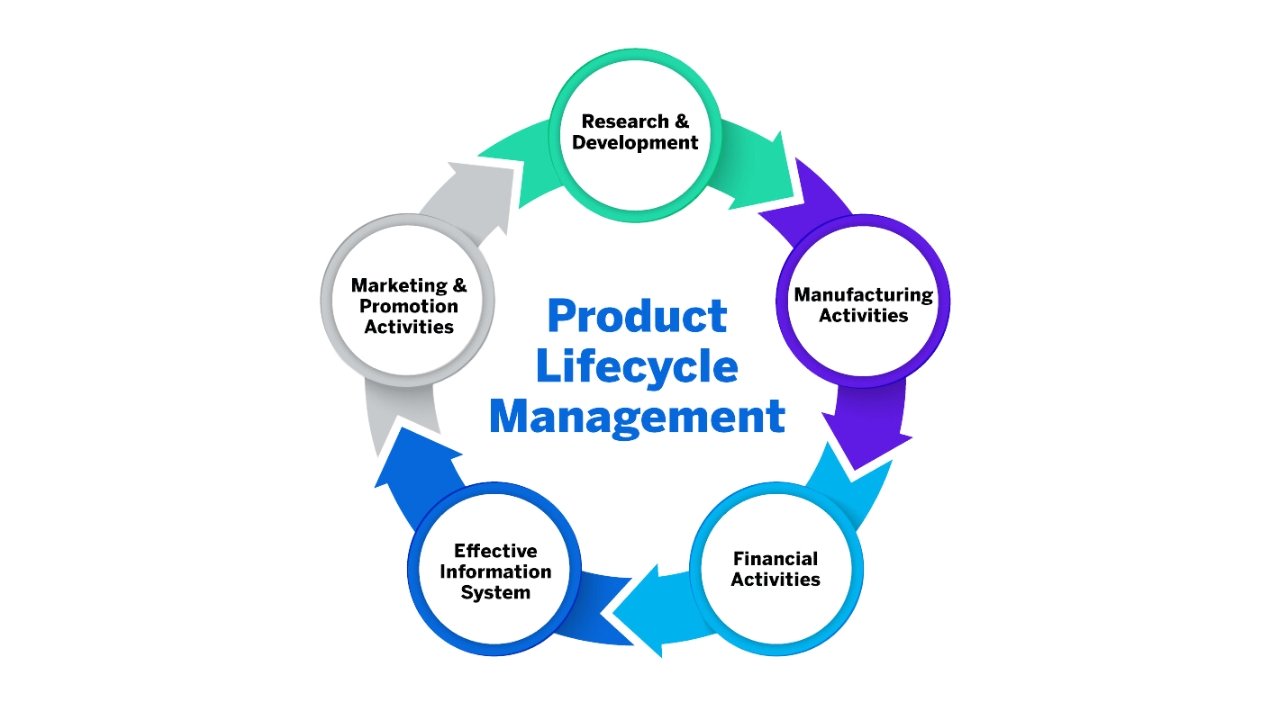
Today, you and other players in this industry are better equipped, thanks to the availability of PLM for furniture. This product lifecycle management software, with AI-driven capabilities, can serve as a hub to accurately manage product complexity and the bill of materials (BOM). With it, you can also expect to scale your business comfortably.
Complexities involved in furniture BOM
Many consumer products have simple bills of materials, but furniture items are not the same. The use of various components, changes in material options, and labeling requirements, makes them complex. Furniture BOMs must support all configurations, sizes, and finishing options. Brands need to track substitute materials and new suppliers to avoid supply chain bottlenecks. Regional safety requirements add to the complexity. Furthermore, you cannot predict costs without accounting for materials, freight, and labor. If your BOM is poorly managed, even small changes in the system can affect production. A change in finish or fabric mill can quickly lead to manufacturing defects, costly mistakes, and delayed market delivery. These challenges become all the more difficult to cope with if you use separate tools for different tasks.
However, a reliable PLM platform can address all these concerns by providing access to a unified data set, reducing the risk of inconsistencies, anomalies, and missing information. Whether you are an enterprise-level company or a smaller entity, a thoughtfully created PLM solution can help you manage your furniture production process successfully.
How Data Can Be Used to Enhance the Lifecycle Management of Furniture Products
With the increasing complexity of furniture products, data is no longer merely a source for documenting the development of a product. In this case, data can become useful in making informed decisions about the product life cycle. When such data as product specifications, BOM data, supplier information, cost of material, quality data, and production feedback is aggregated, then teams may find patterns and make decisions based on facts, not assumptions.
In addition, the usage of data may simplify the tracking of changes within different product versions. For example, by analyzing historical data on BOM, teams will be able to track down which materials contribute to frequent increases in costs or which elements cause production delays.
Managing BOM for cost efficiency
As hinted previously, cost control is one of the main challenges in this industry. Margins depend on trends affecting raw material availability, freight costs, sourcing dynamics, and more. If your BOM data is scattered across emails and spreadsheets, you cannot trace the actual costs. It is often incomplete or outdated. However, AI-assisted furniture PLM can flag cost variances and volatilities. You can compare different quotes more efficiently. It also becomes easier to predict component-level costs. Even AI-generated tech packs can reduce the manual labor required for analyzing and validating cost comparisons. As a result, you can obtain immediate insights into product profitability even before production decisions are made.
Data will also enhance this process by offering product teams insight into cost changes over time. Information about BOMs in the past can be examined to detect materials that often change, suppliers’ price hikes, and parts that affect product margins. Rather than react after the cost hikes, brands will be able to consider alternatives before developing the product.
Furthermore, supply chains pose distinct challenges due to the involvement of multiple partners across different regions. Think of upholstery facilities, mills, workshops, logistics companies, and more. You cannot handle these relationships through documents or emails. It can affect version control and communication. As a furniture brand, you can rely on modern PLM systems to provide updated supplier information in one place. From costs to feedback, every single point can be updated.
Once linked, this will allow manufacturers to also have a better insight into the supply chain process. Previous order data, lead times, material availability, and quality comments can give manufacturers an indication of any possible risk before affecting the production process. In other words, PLM is not just about having documentation of your products; it is about creating an environment for making smart decisions based on data.
With furniture lines becoming increasingly extensive, being able to effectively organize and analyze product data is crucial. By using a data-driven approach to PLM, manufacturers will be able to leverage large amounts of data into useful information, helping with managing their BOMs and costs, collaborating with suppliers, and developing their products. If you are facing issues with furniture production due to limited access to central data or deeper practical insights, it’s time to move to an advanced PLM system.
Conclusion
Data-driven approach to managing product lifecycles enables furniture companies to manage increasing complexities of today’s product development process in a much more efficient manner. The integration of information related to BOMs, material properties, suppliers, costs and manufacturing process in one space allows minimizing discrepancies and making smarter decisions.
The more diversified the portfolio of furniture becomes and the more complex supply chains become, the more benefits can be achieved through an effective use of data, including improved control of the cost factors, decreased risks of manufacturing processes and faster responses to changes in the market situation. Together with AI-driven tools, modern PLM systems enable turning product data into insights.