
Financial technology, commonly known as fintech, has changed the way people and businesses manage money. From mobile banking and digital payments to online lending and investment platforms, fintech companies are making financial services faster, easier, and more accessible. As technology continues to develop, fintech is becoming an important part of the global financial system.
What Are Fintech Companies?
Fintech companies are businesses that use technology to provide, improve, or automate financial services. Traditional banks and financial institutions often depend on physical branches and traditional processes, while fintech companies use mobile applications, websites, artificial intelligence, cloud computing, and other technologies to deliver financial services digitally.
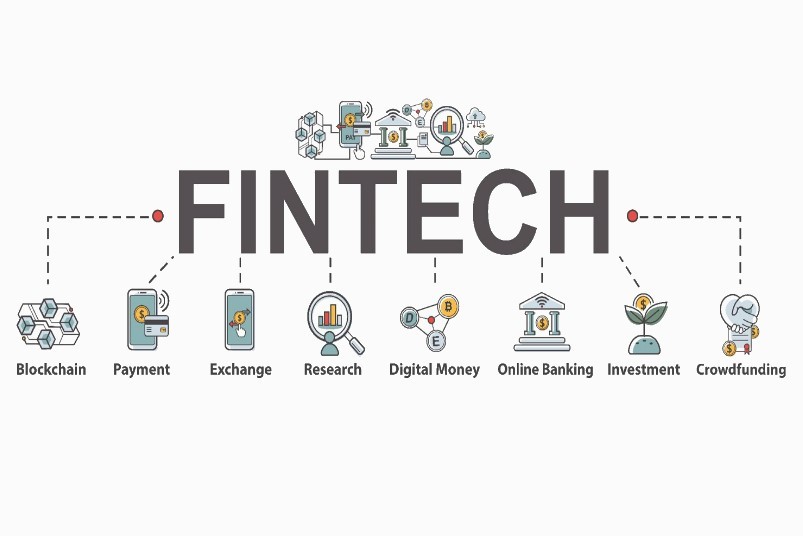
Examples of fintech services include mobile wallets, online payments, digital banking, money transfers, insurance technology, investment platforms, and cryptocurrency services.
Major Types of Fintech Companies
The fintech industry covers many different areas of finance. Some of the most important categories include:
1. Digital Payment Companies
Digital payment companies allow customers to send and receive money electronically. Services such as mobile wallets, online payment gateways, and contactless payments have reduced the need for cash.
These companies are particularly useful for online shopping and international transactions because payments can often be completed within seconds.
2. Digital Banking
Digital banks provide banking services through mobile applications and websites. Customers can open accounts, transfer money, pay bills, check balances, and manage their finances without visiting a physical bank branch.
Digital banking has become popular because it offers convenience and 24-hour access to financial services.
3. Online Lending Companies
Fintech lending platforms use technology to connect borrowers with lenders or provide loans directly. These companies can use automated systems and alternative data to evaluate applications.
For small businesses and individuals, online lending can provide a faster alternative to traditional loan applications.
4. Investment and Wealth Management
Fintech companies have also transformed investing. Online investment platforms allow users to purchase stocks, manage portfolios, and access financial information through their smartphones.
Some platforms use automated investment systems, often called robo-advisors, to help users manage their investments based on their financial goals and risk preferences.
5. Insurtech
Insurtech refers to the use of technology in the insurance industry. Companies in this sector use digital platforms, data analysis, and automation to make insurance applications, claims, and customer service more efficient.
Benefits of Fintech Companies
One of the biggest advantages of fintech is convenience. Customers can access many financial services from a smartphone or computer without visiting a physical location.
Fintech can also reduce costs. Automated systems can handle many routine tasks, which may reduce operational expenses for financial service providers.
Another important benefit is speed. Digital payments, account applications, and financial transactions can often be processed much faster than traditional methods.
Fintech can also improve financial inclusion. People who have limited access to traditional banking services may be able to use mobile wallets and digital financial platforms to participate in the financial system.
Technology Behind Fintech
Several technologies are driving the growth of fintech companies. Artificial intelligence (AI) can be used for fraud detection, customer support, risk assessment, and personalized financial recommendations.
Blockchain technology can support secure and transparent digital transactions. Cloud computing allows fintech businesses to store and process large amounts of data efficiently.
Mobile technology is another major factor. Since smartphones are widely used, fintech companies can provide financial services directly through mobile applications.
Challenges Facing Fintech Companies
Despite their benefits, fintech companies face several challenges. Cybersecurity is one of the biggest concerns because financial platforms handle sensitive customer and transaction data.
Regulation is another challenge. Financial companies must comply with laws related to privacy, consumer protection, anti-money-laundering requirements, and financial security. Regulations can also differ between countries.
Competition is also increasing as traditional banks develop their own digital services while new fintech startups enter the market.
The Future of Fintech
The future of fintech is likely to be strongly connected with artificial intelligence, automation, digital banking, and personalized financial services. Customers increasingly expect financial services to be simple, fast, secure, and available online.
Fintech companies may also play a larger role in helping small businesses access financing, improving international payments, and expanding financial services to underserved communities.
Conclusion
Fintech companies are transforming the financial industry by combining technology with banking, payments, lending, investment, and insurance. Their focus on convenience, speed, accessibility, and innovation has changed customer expectations and encouraged traditional financial institutions to adopt new technologies.
Although fintech companies face challenges involving cybersecurity, regulation, privacy, and competition, their importance is expected to continue growing. As technology develops, fintech will likely remain a major force shaping the future of finance.