
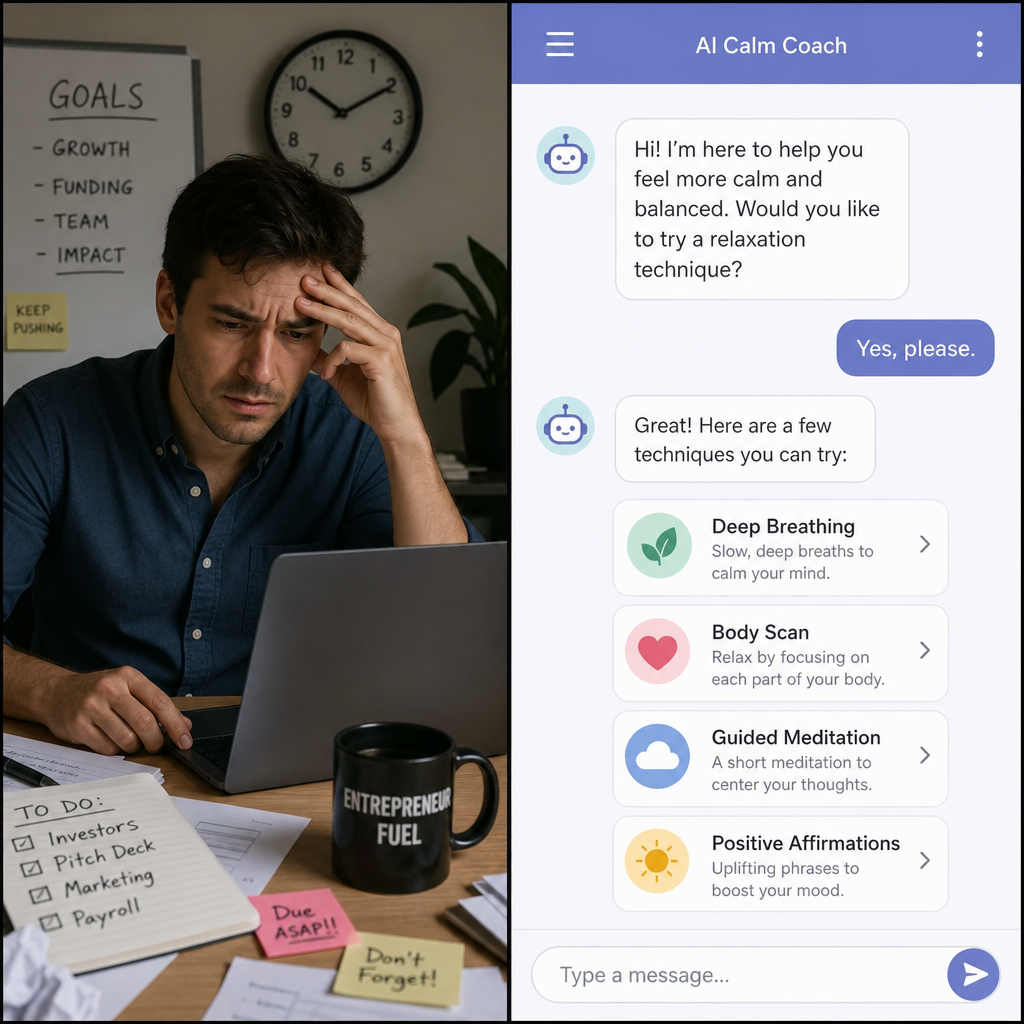
For modern professionals and entrepreneurs, the hustle is often glorified, but the reality is frequently exhausting. Between managing teams, scaling operations, and navigating volatile markets, the mental toll is immense. High-achievers frequently battle silent struggles: chronic stress, looming burnout, and paralyzing decision fatigue.
While executive coaching and traditional counseling remain invaluable, a new technological frontier is reshaping how leaders manage their well-being. A new wave of emotional support AI professionals has emerged, offering on-demand, intelligent companions designed to help users navigate the psychological weight of leadership.
In this article, we will explore the intersection of artificial intelligence and professional well-being, breaking down how these innovative applications are becoming the ultimate secret weapon for modern leaders.
The Rise of AI in Professional Mental Wellness
Historically, seeking help for workplace stress involved scheduling appointments weeks in advance, taking time out of a busy workday, and overcoming the persistent stigma associated with therapy. Today, the landscape of ai mental health is evolving rapidly, bringing support directly to the user’s smartphone or desktop.
The core appeal of these systems lies in the benefits of digital therapeutic companionship. Unlike human counselors who have set office hours, technology provides the 24/7 accessibility of interactive support systems. Whether it is 2:00 AM before a major product launch or five minutes before a critical board meeting, an AI companion is ready to listen, process, and guide you through moments of acute anxiety.
Bridging the Gap: Human and Machine
When comparing virtual mental health assistants vs traditional therapy, it is important to recognize that algorithms are not designed to replace licensed human psychologists. Instead, they serve as a powerful supplementary tool. While traditional therapy excels in deep trauma work and clinical diagnoses, AI is perfectly positioned for immediate, day-to-day stress mitigation and emotional regulation.
Beating Burnout with Intelligent Systems
Entrepreneurs are notoriously prone to overwork. When the lines between personal life and business blur, burnout is often the inevitable result. Thankfully, a variety of AI stress management tools have entered the market specifically designed to intervene before exhaustion takes over.
Using an ai therapist application can help professionals vent frustrations without fear of judgment or professional repercussions. These apps serve as a secure emotional sandbox.
How AI Mitigates Daily Stressors
If you are wondering how to implement ai tools for stress management, consider the following practical applications:
- Venting and Reflection: Use conversational bots for immediate ai stress relief after a difficult client call.
- Pattern Recognition: Advanced apps utilize natural language processing for mood tracking. By analyzing the words you use over time, the AI can detect early signs of exhaustion before you even realize you are struggling, making it highly effective AI for burnout.
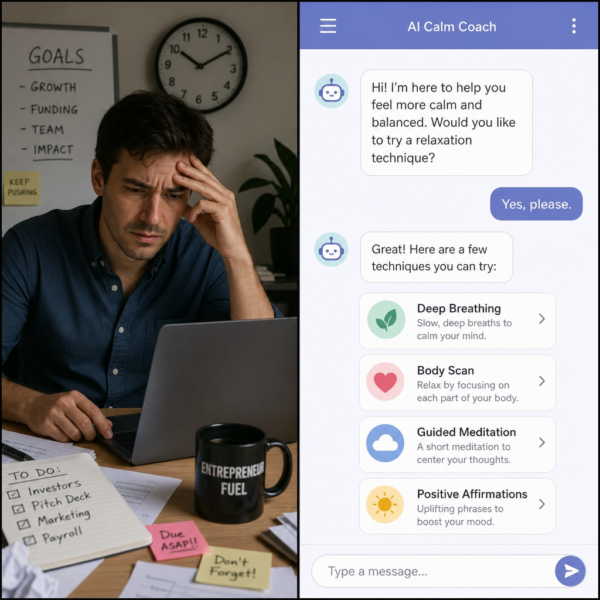
- Targeted Interventions: Specialized platforms like Therly AI and other wellness bots offer guided breathing exercises and cognitive reframing prompts right when your biometric data (like an Apple Watch heart rate spike) suggests you are overwhelmed.
Combating Decision Fatigue and Social Anxiety
Founders and executives make hundreds of micro-decisions daily. By mid-afternoon, “ego depletion” sets in, leading to poor choices, irritability, and decision fatigue.
AI as a Sounding Board
This is where AI decision making support becomes a game-changer. While you shouldn’t let a bot make your financial choices, you can use AI to organize your thoughts. By talking through a complex problem with a logical, unbiased algorithm, you can untangle your thoughts and reduce the cognitive load.
Furthermore, many professionals struggle with networking and public speaking. Managing social anxiety with AI tools is becoming increasingly popular. You can role-play difficult conversations—such as firing an underperforming employee or pitching to a strict venture capitalist—with an AI avatar. This provides a safe space to practice, ultimately improving emotional resilience through digital coaching.
Demystifying the Technology: How Does It Work?
To trust these tools, it helps to understand the mechanics behind them. So, how does artificial emotional intelligence work?
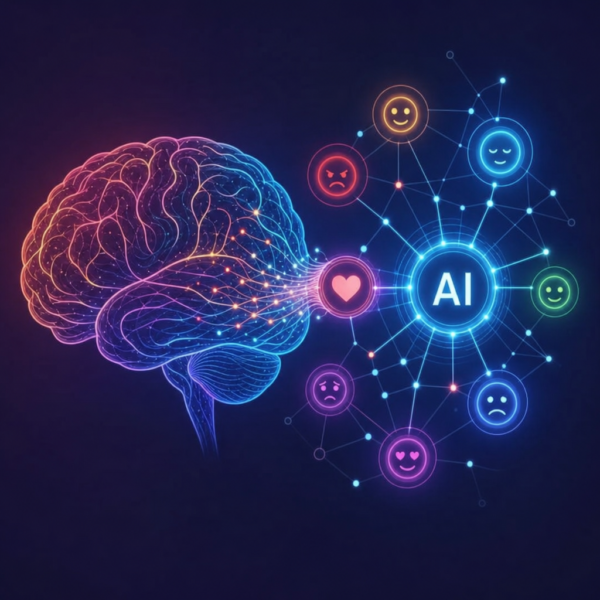
Artificial Emotional Intelligence (Emotion AI or Affective Computing) relies on analyzing text, voice modulation, and sometimes even facial expressions to deduce a user’s emotional state. Through personalized wellness guidance using machine learning, the software adapts to your unique communication style over time.
But a common question arises among skeptics: can algorithms provide authentic validation? While a machine does not feel empathy, it can simulate empathetic listening with remarkable accuracy. By recognizing the linguistic markers of distress, the AI can reflect your feelings back to you, validate your perspective, and offer constructive next steps. For many, this simulated empathy is enough to trigger a genuine neurobiological calming response.
This technology is the backbone of the top-rated chatbots for cognitive behavioral therapy (CBT), which guide users through structured exercises to challenge negative thought patterns and reframe cognitive distortions.
Navigating the Challenges: Ethics, Privacy, and Reliance
As with any emerging technology, adopting ai therapy comes with caveats. Business leaders, who deal with proprietary company information and sensitive personal data, must tread carefully.
The Privacy Imperative
Data privacy concerns in affective computing are paramount. When you type your deepest anxieties or corporate frustrations into an app, where does that data go? Is it being used to train larger language models?
Knowing how to select a secure mental wellness app is a vital skill. Always look for tools that offer:
- End-to-end encryption.
- Strict zero-data-retention policies.
- HIPAA compliance (or local equivalents).
- Transparent terms of service regarding data monetization.
The Ethical Dilemmas
The ethics of using empathetic software is a hotly debated topic. Critics argue that presenting software as a “friend” or “therapist” can be emotionally manipulative. Additionally, there are genuine risks of over-reliance on non-human support. If a professional completely replaces human mentorship and human relationships with a perfectly compliant chatbot, they risk further isolation and a degradation of real-world social skills.

The Future of AI in Professional Mental Health
The current landscape of stress management tools is just the beginning. The future of machine-led empathetic listening promises even deeper integration into our daily workflows.
Imagine a future where your project management software recognizes that your team is overloaded based on communication tones in your emails, and proactively suggests schedule adjustments. We are moving toward an era of holistic AI for high-performers mental health, where emotional wellness is integrated seamlessly into the tools we use to do our jobs.
Conclusion
The journey of an entrepreneur or professional is inherently stressful, but suffering in silence is no longer a requirement of the job. By leveraging the latest ai tools for stress management, modern leaders can effectively combat burnout, navigate decision fatigue, and build emotional resilience.
While AI will never replace the profound connection of human-to-human empathy, it offers a highly accessible, intelligent, and immediate line of defense against the pressures of the modern business world. By choosing secure platforms and using them as a supplement to healthy real-world habits, you can turn artificial intelligence into your most trusted professional ally.