
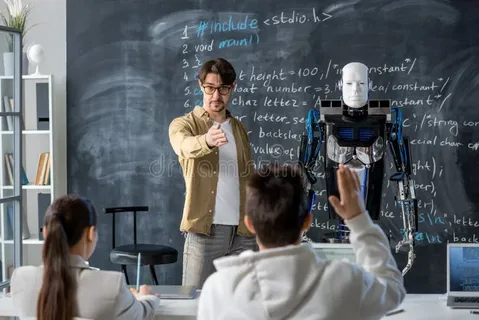
Teaching is no longer limited to books, whiteboards, and printed worksheets. Classrooms are becoming more digital, and teachers are using new tools to make learning easier, faster, and more effective. One of the biggest changes in education today is the use of artificial intelligence.
Artificial intelligence is not here to replace teachers. A machine cannot understand students the way a real teacher can. It cannot build trust, motivate a struggling learner, or manage a classroom with patience and care. But AI can support teachers in many practical ways, especially when it comes to lesson planning.
Lesson planning takes time. Teachers have to think about learning goals, student levels, activities, examples, assessments, and follow-up tasks. When done properly, planning makes teaching smoother and helps students learn with more clarity. With the help of AI, teachers can now make this process more organized and less stressful.
The Growing Role of AI in Education
Artificial intelligence is becoming a useful part of modern education. Many schools and teachers use AI tools to create quizzes, check grammar, summarize long topics, suggest teaching ideas, and track student performance. These tools help teachers save time and focus more on actual teaching.
For example, if a teacher is preparing a lesson about climate change, AI can help suggest key points, classroom questions, group activities, and short assessment tasks. The teacher can then review those suggestions and change them according to the class level.
This is where AI becomes helpful. It gives teachers a starting point, but the teacher still makes the final decision. The human touch remains important because every classroom is different.
Why Lesson Planning Still Matters
A lesson plan is like a roadmap for the class. It helps teachers understand what they want students to learn and how they will guide them toward that goal. Without a clear plan, a lesson can become confusing, even if the topic is interesting.
A good lesson plan helps teachers stay focused. It also helps students move step by step from basic understanding to practice and review. When lessons are planned well, students are more likely to stay engaged and understand the topic properly.
Lesson planning also helps teachers manage time. In a limited class period, teachers need to decide how much time to spend on explanation, activities, questions, and assessment. A clear plan makes this easier.
How AI Makes Planning Easier
AI can reduce the pressure of starting from zero. Many teachers know what they want to teach, but they may struggle with how to organize the lesson. AI tools can suggest lesson outlines, activity ideas, examples, and discussion questions.
For busy teachers, this can be a big help. Instead of spending hours creating a rough structure, they can use AI to prepare a basic draft and then improve it with their own experience. This saves time without removing the teacher’s control.
AI can also help teachers create different versions of the same lesson. For example, one version may be simple for beginners, while another may include advanced tasks for stronger students. This makes it easier to support mixed-ability classrooms.
Digital Tools and Online Lesson Planning
As education becomes more digital, teachers need better ways to prepare and manage their lessons. Many educators now prefer online lesson planning because it allows them to organize teaching materials, update plans easily, and keep everything in one place.
AI can make this process even more useful. It can help teachers structure lessons, create learning objectives, suggest activities, and prepare review questions. Instead of keeping lesson notes in different notebooks or files, teachers can manage their planning more smoothly through digital platforms.
This is especially helpful for online classes, hybrid learning, and schools that use technology in everyday teaching.
Helping Teachers Personalize Learning
Every student learns at a different speed. Some students understand a topic quickly, while others need extra examples and practice. This is one of the biggest challenges teachers face in the classroom.
AI can help teachers plan lessons that are more personalized. For example, if students are struggling with a topic, AI tools can suggest easier explanations or extra practice exercises. If some students already understand the basics, teachers can prepare more challenging tasks for them.
This does not mean AI knows students better than teachers. It simply gives teachers more options. The teacher still understands the class, the students’ behavior, and their learning needs better than any tool.
Making Lessons More Engaging
Students today are used to technology. They learn through videos, apps, games, and online resources. Because of this, teachers often need to make lessons more interactive and practical.
AI can suggest creative teaching methods such as group discussions, role-play activities, real-life examples, short quizzes, and project ideas. These activities can make lessons more interesting and encourage students to participate.
For example, in an English class, AI can help create writing prompts. In a science class, it can suggest a simple classroom experiment. In a history class, it can help design a debate or timeline activity. These small ideas can make a lesson feel more active and enjoyable.
Saving Time Without Losing Quality
Teachers often have a heavy workload. Apart from teaching, they check assignments, prepare tests, attend meetings, communicate with parents, and manage student records. Lesson planning can become difficult when teachers are already busy.
AI can help reduce some of this workload. It can quickly generate ideas, organize content, and suggest teaching materials. This gives teachers more time to focus on improving the lesson instead of building everything from the beginning.
However, teachers should always review AI-generated content. Sometimes AI may give information that is too general, too advanced, or not suitable for a specific class. A teacher’s judgment is still necessary to make the lesson accurate and useful.
Challenges of Using AI in Teaching
AI is helpful, but it is not perfect. Teachers should not depend on it completely. Education is not only about information. It is also about communication, confidence, emotional support, and real human connection.
Another concern is accuracy. AI tools can sometimes make mistakes or suggest content that does not match the curriculum. Teachers need to check facts, adjust examples, and make sure the lesson is appropriate for students.
Privacy is also important. Schools should be careful when using online tools, especially if student data is involved. Any digital tool used in education should be safe, reliable, and suitable for classroom use.
The Future of AI in Lesson Planning
In the future, AI will likely become a normal part of teaching. More teachers may use it to prepare lesson plans, create assessments, track learning progress, and design personalized activities.
But the teacher’s role will remain central. AI can support planning, but it cannot replace classroom experience. A teacher knows when students are confused, when they need encouragement, and when a lesson needs to be changed on the spot.
The best use of AI is as an assistant. It can handle some of the time-consuming parts of planning, while teachers focus on creativity, explanation, and student support.
Conclusion
Artificial intelligence is changing the way teachers plan lessons. It helps save time, organize ideas, personalize learning, and create more engaging classroom activities. For teachers, AI can be a useful support system that makes planning easier and more flexible.
Still, AI should be used carefully. Teachers need to review, edit, and improve anything created with technology. The most effective lessons will always come from a balance between smart tools and human teaching experience.