
System Architecture: The Backbone of MLM Platforms
The foundation of any MLM software begins with its architecture. Modern solutions are typically built using modular and service-oriented architectures, allowing individual components such as commission engines, user management, and reporting modules to operate independently yet cohesively.
This modular approach ensures:
- Easy scalability as the network grows
- Faster updates without disrupting the entire system
- Seamless integration with third-party tools like payment gateways and CRMs
Cloud-based deployment further enhances performance by providing high availability, automatic backups, and global access for distributors operating across regions.
2. Database Design and Data Integrity
MLM systems handle complex relational data: users, hierarchies, commissions, transactions, ranks, and bonuses. A well-structured database is critical to ensure accuracy and speed.
Modern MLM software relies on:
- Relational databases for structured hierarchy mapping
- Optimized indexing for faster genealogy calculations
- Transaction-safe operations to prevent commission mismatches
Data integrity mechanisms ensure that downline relationships, payout records, and rank advancements remain consistent even during high transaction volumes or peak traffic periods.
3. Genealogy Logic and Network Mapping
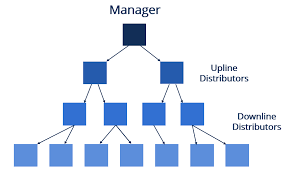
One of the most technically demanding aspects of MLM software is genealogy processing. Whether it’s binary, matrix, unilevel, or hybrid plans, the system must dynamically calculate relationships across thousands or even millions of users.
Advanced MLM platforms use:
- Recursive algorithms for downline traversal
- Tree-based data structures for real-time network visualization
- Optimized query handling to avoid performance bottlenecks
This allows distributors to view accurate, real-time representations of their teams while enabling instant updates when new members join.
4. Commission Engine and Rule Processing
The commission engine is the core intelligence layer of MLM software. It translates compensation plan logic into executable rules that calculate earnings automatically.
Technically robust commission systems feature:
- Rule-based engines that adapt to multiple plans
- Event-driven triggers for sales, enrollments, and rank changes
- Configurable parameters without code modifications
This flexibility allows companies to update compensation structures, launch promotions, or add bonuses without rebuilding the system, saving time and reducing errors.
5. Security Infrastructure and Compliance Readiness
Given the sensitive nature of financial and personal data, security is a non-negotiable foundation. Modern MLM software integrates multi-layer security protocols to protect both companies and distributors.
Key technical security elements include:
- Role-based access control (RBAC)
- Encrypted data storage and secure APIs
- Audit logs for transaction transparency
Additionally, compliance-ready architectures help businesses align with regional regulations by maintaining traceable records, payout accuracy, and user activity logs critical for audits and dispute resolution.
6. API Integration and Ecosystem Connectivity
Direct selling no longer operates in isolation. MLM software must integrate seamlessly with external platforms to create a unified business ecosystem.
Technically mature systems offer:
- RESTful APIs for payment gateways, eCommerce platforms, and KYC tools
- Webhooks for real-time data synchronization
- Middleware layers to manage data flow securely
This connectivity ensures smooth onboarding, automated payouts, and real-time order processing across multiple channels.
7. Performance Optimization and Scalability
As networks expand, system performance becomes a defining success factor. Poorly optimized MLM software can lead to slow dashboards, delayed payouts, and user dissatisfaction.
Modern technical foundations address this through:
- Load balancing and caching mechanisms
- Asynchronous processing for heavy calculations
- Horizontal scalability to support global user growth
These optimizations ensure consistent performance regardless of network size or activity spikes.
8. Analytics and Reporting Infrastructure
Data-driven decision-making is essential in modern direct selling. MLM software now incorporates advanced analytics layers that convert raw data into actionable insights.
Technically, this involves:
- Real-time data aggregation engines
- Dashboard frameworks for visual reporting
- Export-ready formats for financial and performance analysis
Such infrastructure empowers admins and distributors to track growth, identify trends, and improve strategic planning.
Conclusion
The success of modern direct selling models depends heavily on the technical strength of their MLM software. Beneath the user interface lies a sophisticated foundation of architecture, data management, algorithms, security, and integrations. Businesses that invest in technically sound MLM platforms gain more than automation they gain reliability, scalability, and trust.
In an industry driven by networks and numbers, strong technical foundations are not just supportive elements; they are the true drivers of sustainable MLM growth.