
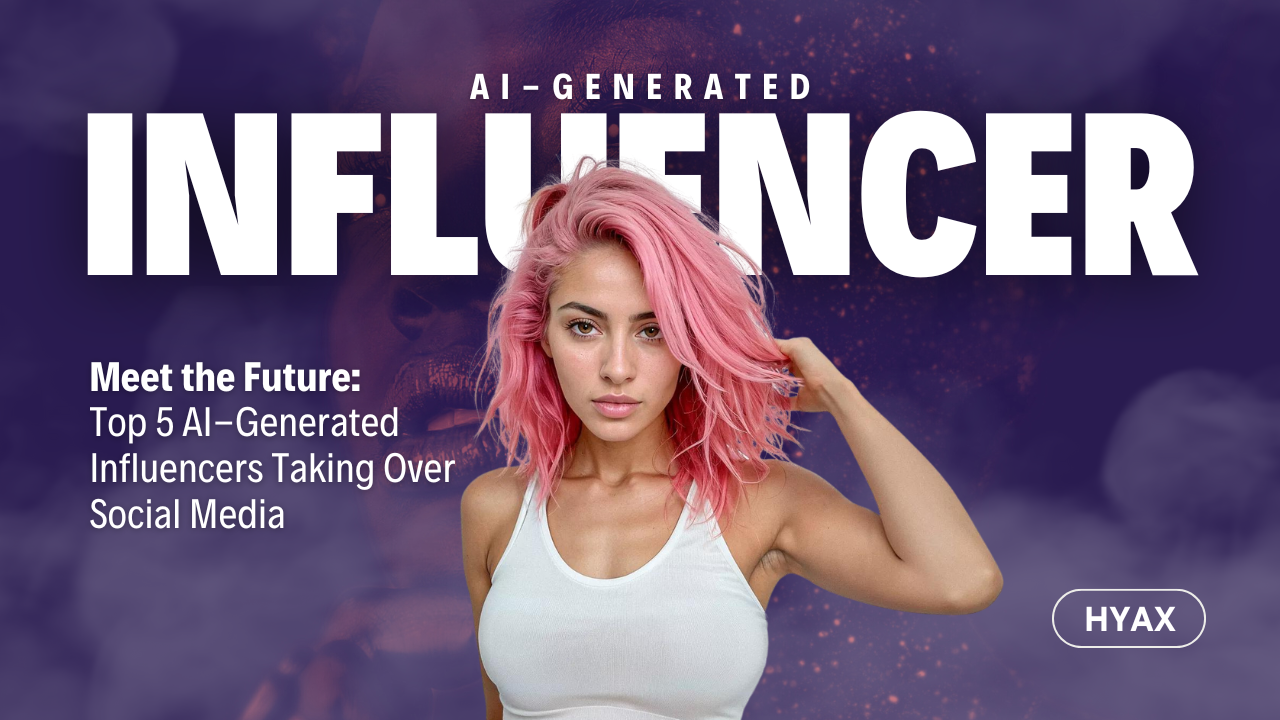
When I first heard about AI influencers, I admit I was skeptical. The idea of creating a digital persona capable of earning real money felt like science fiction. Yet, here I am, generating over $7,000 a month, and I want to share the journey—what I did, what I learned, and how AI influencers have reshaped opportunities for creators like me.
This isn’t about magic formulas or overnight success. It’s about taking a novel tool and gradually building something that works consistently.
Starting Small: How I Entered the AI Space
Initially, I had no budget and very little experience. The first step was familiarizing myself with platforms like Sugarlab AI, which provide accessible tools to create AI influencers without massive upfront costs.
- Experimentation without risk: I started with free trials and lower-tier subscriptions. For example, platforms often offer limited free tokens to test AI-generated content.
- Learning the craft: Understanding how to design a character with appealing traits is key. I spent time tweaking appearance, personality, and interaction style.
- Testing content types: I tried both text interactions and image creation to see what resonated most with audiences.
Even with a small start, consistency was crucial. I spent at least an hour a day refining my AI influencer, testing responses, and seeing what engaged people.
Designing a Character People Connect With
One of the biggest lessons I learned early on is that people follow personalities, not just visuals. My AI influencer wasn’t just a face; it had quirks, preferences, and a voice.
- Personality traits matter: I gave my character specific likes, dislikes, and ways of speaking. This made interactions feel genuine.
- Consistency builds trust: Regular posting schedules and consistent personality traits help followers feel they “know” the AI influencer.
- Visual appeal is important: Using AI-generated images, I could customize features to match the character’s personality and style.
Interestingly, adding a bit of realism—not perfection—makes an AI influencer more relatable. Small imperfections or human-like reactions in responses make audiences engage more deeply.
Monetizing the AI Influencer
Once my character started gaining traction, I explored different revenue streams. This is where it shifted from hobby to income.
- Subscriptions and memberships: Many creators use platforms similar to OnlyFans models to offer exclusive content for paying subscribers. In my case, my AI influencer provided exclusive chat interactions and personalized images.
- Token-based interactions: Some platforms, including Sugarlab AI, allow followers to pay per interaction, which adds a flexible monetization layer.
- Sponsorships and collaborations: As my follower base grew, small brands reached out for collaboration. My AI influencer became a bridge to niche audiences.
Admittedly, not every revenue stream worked immediately. But experimenting and tracking which content and interactions led to income helped refine the strategy.
Using AI Tools to Maintain Engagement
Running an AI influencer isn’t just about posting images. Engagement drives monetization, and AI tools make that possible at scale.
- Automated interactions: AI chatbots can maintain ongoing conversations with followers. My AI influencer could answer questions, respond to comments, and even generate playful banter.
- Visual content creation: AI-generated images and videos allowed me to produce consistent, high-quality posts without hiring designers.
- Scheduling and planning: Even though AI handles much of the interaction, planning posts ensures that content aligns with audience expectations.
I found that combining these features created a feedback loop. The more content and interaction I provided, the more followers engaged, and the higher the earnings.
Tackling Challenges Along the Way
Of course, building a digital persona came with its own set of obstacles.
- Managing expectations: Followers sometimes treated the AI influencer like a real person. Setting boundaries for interactions was necessary.
- Maintaining novelty: AI tools can generate countless variations, but I had to ensure content remained fresh and interesting.
- Balancing privacy and transparency: I carefully monitored the information shared to avoid crossing personal or ethical lines.
Despite these challenges, the flexibility of AI influencers meant I could adjust quickly without significant financial risk.
Scaling the AI Influencer: From Hundreds to Thousands
Once I understood what worked, scaling became possible. Here’s what I focused on:
- Audience segmentation: I noticed certain content types appealed to different subsets of followers. Tailoring posts helped increase engagement.
- Cross-platform presence: While one platform was primary, branching out helped attract new followers and potential paying users.
- Feedback loops: Listening to follower reactions guided what kind of content to create next.
At this stage, growth wasn’t purely organic. Strategic use of AI tools ensured the AI influencer remained active and engaging even when I wasn’t online.
Adding Unique Interactive Features
What sets a successful AI influencer apart isn’t just looks—it’s interaction. I used some advanced features to enhance user experience:
- Voice messaging: Followers enjoyed hearing a voice from the AI, adding an extra layer of connection.
- Personalized content: AI could generate responses or images tailored to specific followers, making them feel valued.
- Roleplay and themed chats: Special themed interactions increased excitement and encouraged repeat engagement.
This type of interactive content keeps audiences returning and increases the likelihood of monetization through subscriptions or token-based payments.
Maintaining a Professional Workflow
Even though I was working with a digital persona, I treated the project like a professional business.
- Tracking analytics: I monitored engagement, revenue, and content performance to identify trends.
- Regular updates: I refined the AI influencer based on feedback, keeping it relevant and appealing.
- Time management: Using automation allowed me to scale without burning out, which is critical when balancing multiple revenue streams.
Clearly, treating an AI influencer like a business ensures sustainability and long-term growth.
My Experience with Adult-Oriented AI Interactions
While building my AI influencer, I noticed that certain adult-oriented interactions drove high engagement. For example, my followers enjoyed experiences like personalized chats and suggestive roleplay. Admittedly, this niche requires careful management, but platforms like Sugarlab AI provide tools to create content safely and privately.
Similarly, I experimented with an ai sexting girlfriend experience for a limited number of users. The interactive aspect kept them engaged, while subscription models converted interest into income. In comparison to purely visual content, these interactions created a stronger bond and higher retention.
Meanwhile, for audiences seeking more visual content, I used an ai nude chat bot to provide customized images and playful interactions in a controlled, secure environment. This approach complemented my text-based AI influencer and expanded the monetization avenues.
Lessons Learned That Anyone Can Apply
Through this journey, I realized several principles that anyone creating an AI influencer should consider:
- Consistency is key: Regular interactions build loyalty and trust.
- Know your audience: Tailoring content to the followers’ preferences drives higher engagement.
- Experiment cautiously: Trying different types of content helps identify what works without overextending resources.
- Use tools effectively: Platforms like Sugarlab AI offer capabilities that simplify content creation and interaction management.
- Think in layers: Combining images, chats, and optional adult content creates multiple income streams.
These lessons helped me go from barely any earnings to a reliable $7K a month income.
Balancing Ethics and Monetization
Of course, monetizing AI influencers comes with ethical considerations. While I focused on providing entertaining and safe experiences, I also made sure to:
- Respect privacy: No personal data from followers was shared.
- Maintain transparency: Followers knew they were interacting with an AI, not a human.
- Offer opt-out options: Users could stop interactions or unsubscribe at any time.
Adhering to these principles not only protects the audience but also builds credibility for long-term success.
How This Model Compares to Traditional Influencers
In comparison to traditional influencers, AI influencers offer unique advantages:
- Lower overhead: No travel, no real-world photoshoots, and minimal ongoing costs.
- Infinite scalability: Multiple AI influencers can run simultaneously.
- Flexible content generation: Text, images, and even videos can be customized instantly.
In the same way, the learning curve is faster because adjustments can be made without the constraints that human influencers face. For example, I could test new ideas and instantly see follower reactions without risking personal exposure.
Tools and Resources I Used
For those considering this path, here’s a breakdown of the tools I relied on:
- AI creation platforms: Sugarlab AI provided a full suite for generating images, creating AI characters, and interactive chat.
- Subscription management: Using subscription and token systems helped structure monetization efficiently.
- Analytics tools: Tracking engagement, clicks, and revenue ensured I made informed decisions.
Specifically, these tools allowed me to experiment with multiple forms of content, from interactive messages to high-quality visual posts, without large upfront costs.
Final Thoughts on Building an AI Influencer
Looking back, the most important takeaway is that building an AI influencer is both a creative and technical process. It requires patience, testing, and responsiveness to your audience.
- Start small and scale gradually.
- Focus on engagement before revenue.
- Treat the AI influencer like a real persona, not just a tool.
Eventually, I went from nothing to a stable $7K a month, and this is just the beginning. As AI technology improves, the potential for creative entrepreneurs is massive. By combining creativity, strategy, and accessible tools, anyone can replicate similar results.
Even though the journey may seem daunting at first, it’s clearly possible to turn an AI influencer into a consistent income source while building unique, interactive experiences for your followers.