
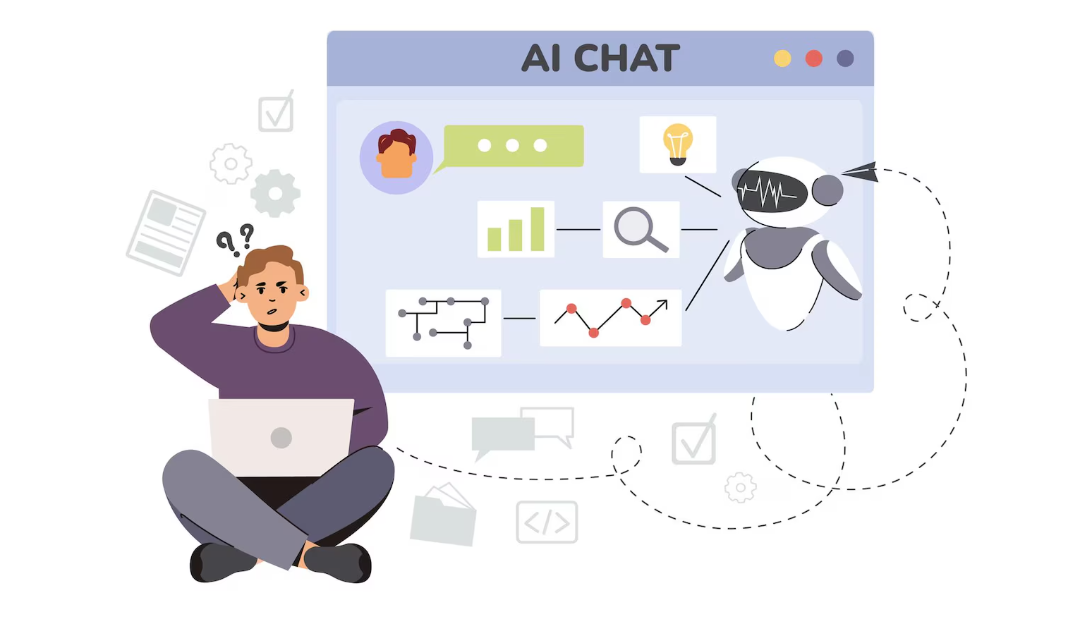
The future of social media advertising in 2026 is quite different compared to what it was several years back. Viewers are more intelligent, they have limited attention span and polished ads are not working as they previously. Nowadays, individuals are confident in content that is real, relatable and content-led. It is precisely the reason why AI UGC Video Ads are among the most potent social media marketing formats.
User-generated content has never been ineffective, however, generating it on the scale of the large scale was really costly and time consuming. The AI has transformed this. Brands can now produce genuine and scroll-stopping videos with AI UGC Video Ads and not spend money on creators, on shoots, or weeks of production. This guide will inform you about the working principle of AI UGC Video Ads, why it conquers social platforms in 2026, and how you can make your ads UGC work.
What Are AI UGC Video Ads?
The content of the AI UGC Video Ads can be described as a series of short, creator-like videos created with the help of artificial intelligence that simulates actual user-created content. Such videos resemble more of product reviews, testimonials, unboxing, or informal social media video recordings by ordinary users. Nevertheless, AI avatars or AI-created human beings convey the message in a natural, conversational manner as opposed to actual creators.
The most important one is authenticity. In contrast to the traditional brand adverts, AI UGC Video Ads are organic. They fit perfectly in social feeds of such platforms as Tik Tok, Instagram reels, YouTube short, and Facebook. This is much more interesting and efficient, particularly with performance marketing and conversion-oriented campaigns.
Why AI UGC Video Ads Matter in 2026
By 2026, social media algorithms will focus on material that will contribute to watch time, engagement and comments to a great extent. Refined advertisements that are well-lit in a studio and read off script are typically fooled over in a few seconds. AI UGC Video Ads, in its turn, appear to be natural on the platform.
Scalability is one of the largest factors brands are moving to AI UGC Video Ads. Marketers do not need to spend more money to produce more content because instead of having a small number of creators, they can create dozens, or even hundreds, of variations: using varied hooks, angles, CTAs, and messaging styles without affecting production costs.
Speed is another significant factor. Social media trends evolve fast. Brands can respond to trends hours and not weeks with AI UGC Video Ads, thus their content remains relevant and competitive.
How AI UGC Video Ads Work
The process of creating AI UGC Video Ads normally includes a couple of straightforward operations. The first one is that you set your purpose: clicks, app installs, conversions, or engagement. Then, you give a script or key talking points. The rest is done by AI that creates a video that looks realistic and has human expressions, voice, and body language.
The majority of AI UGC tools enable the user to select various avatars, languages, tones, and video styles. This facilitates localization of content to global market or test various personas to various segments of customers.
The outcome is a video that looks as though filmed by an actual individual but one that has been created by AI altogether- consistent, repeatable, and optimized to work on social media.
Platforms Where AI UGC Video Ads Perform Best
The AI UGC Video Ads work particularly well on short-video platforms. In 2026, Tik Tok will dominate the UGC-style ad performance, although Instagram Reels and YouTube Shorts are following closely. These platforms compensate native, casual, and creator-driven content.
Facebook and Snapchat are another great place to utilize AI UGC Video Ads in their retargeting and mid- funnel campaigns. These ads have higher click through rates and lower ad fatigue since it appears like organic content than a traditional creative.
Step-by-Step: How to Create AI UGC Video Ads for Social Media
The initial one is the knowledge of your audience. AI UGC Videos Ads are in their best form when addressing a particular issue or want. Rather than generic messaging, have one pain point, one advantage, and one definite result.
Then compose a basic, chitty-gritty script. The most successful AI UGC Video Ads do not sound like advertisement. They are like somebody telling an authentic story. Begin with a powerful hook within the first three seconds, maintain a simple message and finish with a natural appeal to action.
After writing the script, select the appropriate AI avatar or UGC style. One advertisement will be more effective with a selfie-style appearance, whereas another will be more effective with a little bit more of a professional creator appearance. Various styles are essential to success.
Once the video is created, make it platform-optimized. Take vertical format, include captions (as many users are watching silent), and keep the video short most people will watch between 15 and 45 seconds.
Best Practices for High-Performing AI UGC Video Ads
Consistency is critical. The possibility of generating content on a large scale is one of the largest opportunities of AI UGC Video Ads. Rather than riding on a winning creative, constantly experiment with hooks and openings and angles of message.
Authenticity also matters. The videos are generated by AI yet they are expected to feel human. It is necessary not to be too salesy, but rely on telling stories, actual applications, and honest responses.
Another significant advantage is data-driven optimization. We can multiply the same since AI UGC Video Ad generates can be easily copied, so it is easy to fast-track what works, and take a break on what does not. This renders them to be suitable to performance marketers conducting paid social campaigns.
AI UGC Video Ads vs Traditional UGC
Mainstream UGC is based on actual creators, potentially strong yet with a number of difficulties. Scalability is often restricted by creator availability, unpredictable quality, latency in delivery, and high prices. AI UGC Video Ads eliminate all these obstacles.
Under AI, there is complete control of messaging, branding and compliance Tricks by the brands. Whenever you need content you can create it, update scripts in real time and keep the same authentic feel as genuine UGC.
A hybrid strategy is widely applied in 2026, with most brands integrating the best performing real UGC with scalable AI UGC Video Ads to create the most reach and efficiency.
The Future of AI UGC Video Ads
The AI UGC Video Ads are getting closer to reality as AI is being developed further. Facial expressions and voice modulation as well as emotional delivery are improving at an alarming pace. This implies that viewers will struggle to differentiate between UGC that has been produced by AI and actual content of the creators.
The personalization is also progressing. In the short term, brands will have the ability to create AI UGC Video Ads that are specific to certain audiences, locations, or even individual users- radically increasing the level of relevance and conversion rates..
Conclusion
AI UGC Video Ads are no longer a trend—they are a core part of social media marketing in 2026. They offer the perfect balance of authenticity, speed, scalability, and performance, making them ideal for brands that want to grow across platforms without increasing production costs.
If you’re looking to create high-quality AI UGC Video Ads efficiently, tools like Tagshop AI make the process simple and scalable. With the ability to generate realistic, creator-style videos designed for social media ads, Tagshop AI helps brands test faster, optimize better, and stay ahead in an increasingly competitive digital landscape.
By adopting AI UGC Video Ads today, brands can future-proof their social media strategy and connect with audiences in a way that feels real, relatable, and results-driven.