
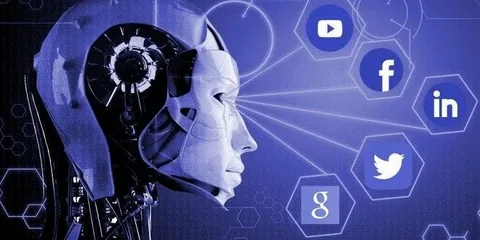
Artificial intelligence is a set of tools that help machines do smart tasks. It lets computers learn from data. It helps with speech and images. It powers search and chat tools. People use it in phones and cars. This short article keeps things simple and clear.
What AI is and how it works
AI means machines that can do tasks that used to need people. It learns from examples. It finds patterns in data. It then makes choices or suggestions. Machines use models like neural networks to spot images or read sentences. That makes work faster. Many apps now use these tools to help users.
Five common ways people use AI today
AI is in many parts of life now. It helps with search, voice helpers, and shopping picks. It checks for fraud in banks. It helps doctors by pointing to likely problems. It powers cars that can steer a bit on their own. These uses change how people work and shop.
How AI helps small tasks (short example)
AI can fix text and tag photos fast. It can sort mail and plan routes for drivers. It can also add quick labels on pictures users post. Try a simple tool like a tagging helper. One niche term is instanavigation — that kind of fast move helps apps find things in big maps or menus.
Quick AI types and what they do
| Type of AI | What it does |
| Machine Learning | Learns from data to make predictions. |
| Deep Learning | Finds patterns in images and speech. |
| NLP (Language) | Reads and writes human text. |
| Rule-based | Follows fixed steps to solve tasks. |
This table gives a small snapshot of common types and roles.
Two key benefits of AI tools
- Faster decisions for routine work.
- Better tools for small teams to act quickly.
Keep these two in mind when you think about adding AI to a project. Simple tools can free time for better tasks.
Risks and things to watch
AI can make mistakes. It can repeat bad data. That can lead to unfair results for some people. Laws and rules are being made to keep AI safe. Firms and governments talk about checks and audits. Trust grows when systems are tested and explained to people.
AI should not replace human care or control. It should help, not lead. Balance between humans and machines keeps results fair and useful.
How AI changes jobs and learning
Some jobs shift. New jobs appear too. People who work with data and code will stay in demand. Basic digital skills help a lot. Schools and courses now teach more coding and math. People must keep learning. Small steps matter more than big leaps.
In offices, AI can handle simple writing, number checks, and customer chats. That gives workers more time for creative work. AI does not remove all jobs; it changes what work looks like.
A short note on privacy and content tools
AI can make media and text quickly. That has good uses. It also makes fake content. Tools that scan for fakes are growing. If you use any viewer or sharing tool, check privacy.
In the middle of many apps you might see tools called Instagram Story Viewer, which show quick views of shared stories. Use trusted apps that state their privacy rules. Never share personal data with apps that do not show how they use it.
What top pages miss and what to add
Many top pages give big ideas and tech terms. Few give plain, short steps for non-tech people. This article adds clear examples and simple next steps. It says which small tasks AI can help with right now. It also talks about privacy, job shifts, and simple checks that readers can do today.
AI is not just for experts. It fits in normal life too. From voice helpers to writing aids, it saves time and effort daily.
Quick next steps if you want to try AI
Pick one small task. Try a free tool that handles that task. Test it on safe data. Note errors. Ask how it treats privacy. That helps you learn without big risk. Small tests give useful answers fast.
Keep learning a bit each week. Read short updates about how AI grows. The more you use it, the more you see how it helps — but always stay smart about what data you share.
Final thoughts
Artificial intelligence is not magic. It is a mix of math, code, and data that helps people work smarter. Used well, it can save time and reduce stress. Used poorly, it can spread errors or false facts.
The key is balance — human control, clear goals, and safe data use. Keep things simple. Let AI handle the small stuff while you focus on what really matters.