
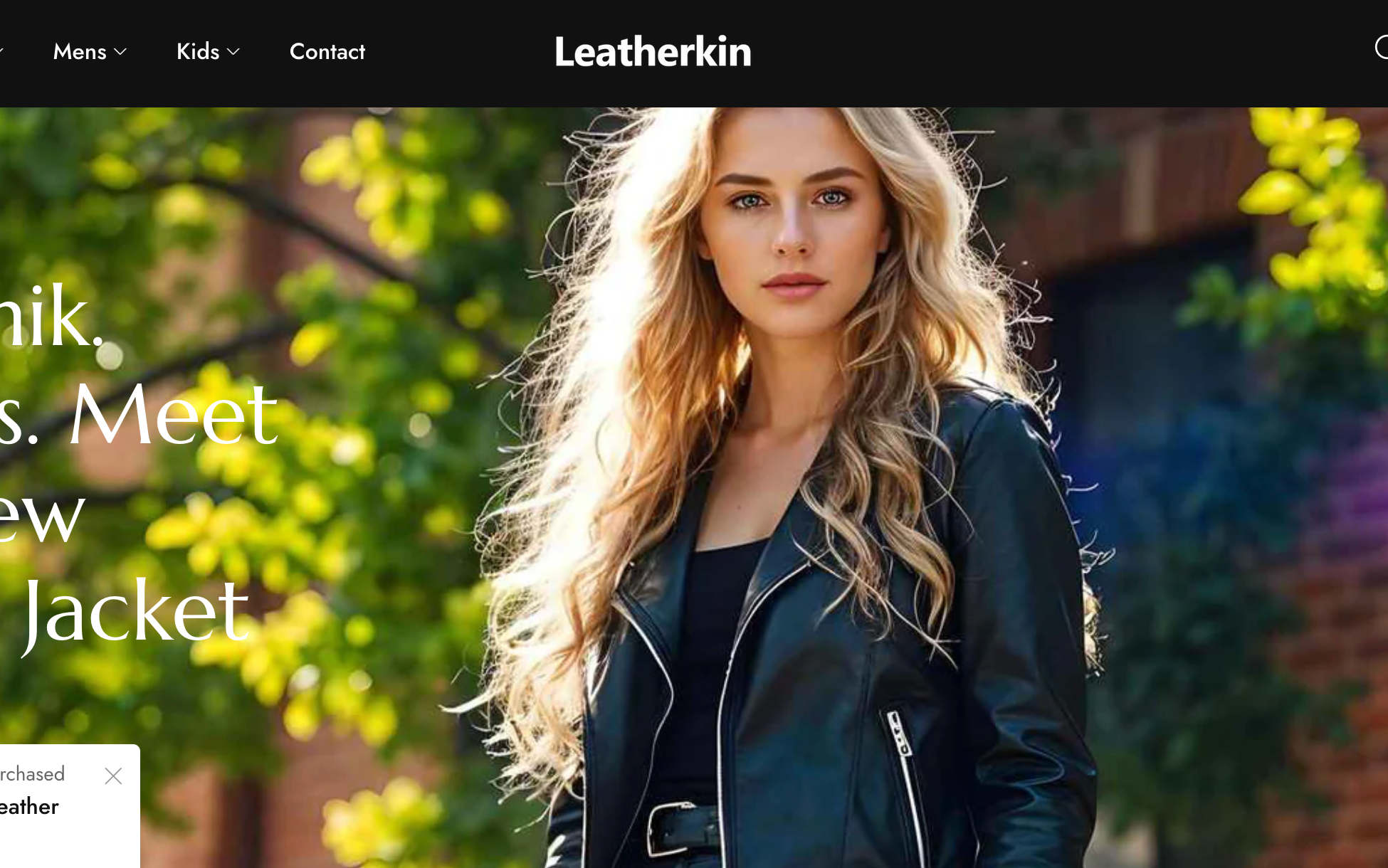
In an era where artificial intelligence is shaping nearly every corner of modern life, from virtual assistants to smart homes, it was only a matter of time before AI found its way into fashion. The AI leather jacket represents a new frontier — one where technology meets texture, and intelligence is literally woven into what we wear. Beyond being a simple piece of outerwear, this next-generation garment combines style, innovation, and functionality in a way that could redefine what it means to “dress smart.”
The Evolution of Fashion Meets Technology
Fashion has always evolved alongside technology. From the industrial revolution’s mass-produced fabrics to today’s 3D-printed garments, every era introduces new ways for people to express themselves. Yet, the integration of artificial intelligence marks a turning point — it adds awareness to clothing.
Unlike traditional smart wearables that focus on health tracking or convenience, the AI leather jacket brings together aesthetic appeal with adaptive technology. It’s designed not only to look good but also to learn from its wearer. By analyzing patterns of movement, temperature, environment, and personal habits, AI-powered jackets can adjust to ensure both comfort and performance.
What Makes an AI Leather Jacket “Smart”?
An AI leather jacket goes far beyond Bluetooth connectivity or built-in speakers. Its intelligence lies in embedded sensors, microprocessors, and machine learning algorithms that constantly gather and interpret data.
Here are a few key features that make these jackets truly “smart”:
- Temperature Regulation – The jacket automatically adjusts its inner lining warmth based on the external weather or your body temperature. Whether you’re in a freezing city or a warm nightclub, it maintains optimal comfort.
- Gesture Recognition – Some advanced versions can recognize hand or arm movements, allowing wearers to control music, navigation, or even answer calls with simple gestures.
- Health Monitoring – Built-in biometric sensors can track heart rate, stress levels, and posture, providing valuable feedback directly to your smartphone.
- Self-Cleaning Materials – Certain prototypes incorporate nanotechnology that repels dirt and bacteria, ensuring your leather jacket stays cleaner for longer.
- Adaptive Fit – Using micro-inflation technology, the jacket can slightly tighten or loosen itself for comfort during physical activity or relaxation.
Each of these features represents a step toward a world where clothing is not just an accessory but an extension of human intelligence.
The Perfect Blend of Luxury and Logic
The leather jacket has always symbolized rebellion, freedom, and timeless cool. Think of Marlon Brando, James Dean, or the rock stars of the ‘80s — the leather jacket was never just fashion; it was identity. Now imagine combining that classic image with the precision and foresight of AI.
The AI leather jacket preserves the essence of that rugged, timeless design while embedding high-end computing into its seams. It’s luxury that adapts, a product that offers elegance with a digital edge.
Manufacturers are experimenting with ethically sourced and lab-grown leather alternatives to appeal to environmentally conscious consumers. Combined with AI-driven customization — which recommends fit, color, and cut based on body data and style preferences — the future of leather jackets is becoming both sustainable and personal.
Practical Applications in Everyday Life
The AI leather jacket isn’t just a concept for tech enthusiasts or fashion influencers. It has very real applications across multiple lifestyles:
- Urban Commuters: Imagine riding your motorcycle or electric scooter with a jacket that adjusts for wind resistance, monitors your posture, and improves visibility at night with adaptive LED lighting.
- Athletes & Travelers: For those who are constantly on the move, a men’s jacket could help regulate body temperature and provide health feedback in real time, reducing fatigue or dehydration risks.
- Creative Professionals: Integrated gesture control could allow photographers, DJs, or filmmakers to manage devices hands-free while maintaining their unique sense of style.
In all these cases, the jacket functions as both protection and partner — a wearable assistant disguised as fashion.
Challenges of AI Integration in Fashion
Despite its futuristic appeal, integrating AI into fashion isn’t without challenges. The most obvious obstacle is cost. High-quality leather combined with advanced sensors and microprocessors drives prices upward, often making these jackets luxury items accessible only to a niche market.
Then there’s privacy. As with any AI product, data collection raises concerns. A jacket that records body movements or health metrics must ensure that personal information is securely stored and not shared without consent.
Lastly, durability and maintenance pose another issue. Leather is a long-lasting material, but tech components may not share the same lifespan. Replacing or repairing embedded electronics could require specialized services, unlike a simple tailor repair.
However, as technology advances and becomes more compact and energy-efficient, these issues will likely diminish, making AI fashion more accessible to the general public.
The Future of AI in Fashion Design
The AI leather jacket is only the beginning of what’s possible. Designers are already experimenting with machine learning algorithms that predict fashion trends based on online data, social behavior, and global climate patterns. Soon, AI systems could automatically generate designs tailored to your mood, lifestyle, and even local weather forecasts.
Moreover, AI is changing how we shop. Imagine entering a store, and your jacket syncs with the retailer’s system to suggest matching accessories or colors that complement your existing wardrobe. Or, through AR mirrors, the jacket can show how it would look in different lighting conditions or social environments.
As AI becomes more integrated into the creative process, fashion will shift from a one-size-fits-all approach to a dynamic, data-driven ecosystem where every outfit evolves with the wearer.
Ethical and Environmental Considerations
AI-powered clothing also presents an opportunity to address ethical and environmental challenges in the fashion industry. By analyzing consumer habits and optimizing production, AI can help brands reduce waste and overproduction.
At the same time, lab-grown leather and AI-optimized supply chains can lower the industry’s carbon footprint. Smart materials that adapt to weather conditions or wear longer can reduce the need for excessive consumption. The AI leather jacket thus becomes a symbol not just of innovation but of responsibility.
Final Thoughts
The AI leather jacket is more than a futuristic concept — it’s a preview of what the fashion world is evolving into. It merges classic design with digital intelligence, bringing functionality, personalization, and sustainability together in one sleek form.
While still in its early stages, the technology behind these smart garments continues to advance rapidly. As AI learns from human behavior, our clothing will become smarter, more adaptive, and more attuned to individual lifestyles.
The leather jacket has always been a statement — of rebellion, independence, and timeless cool. With artificial intelligence stitched into its fibers, it now represents something even more powerful: the merging of human creativity and machine intelligence.
In a world where style and innovation collide, the AI leather jacket stands as a symbol of the next fashion revolution — one where what you wear is not just about appearance, but about intelligence, adaptability, and the future of self-expression.