
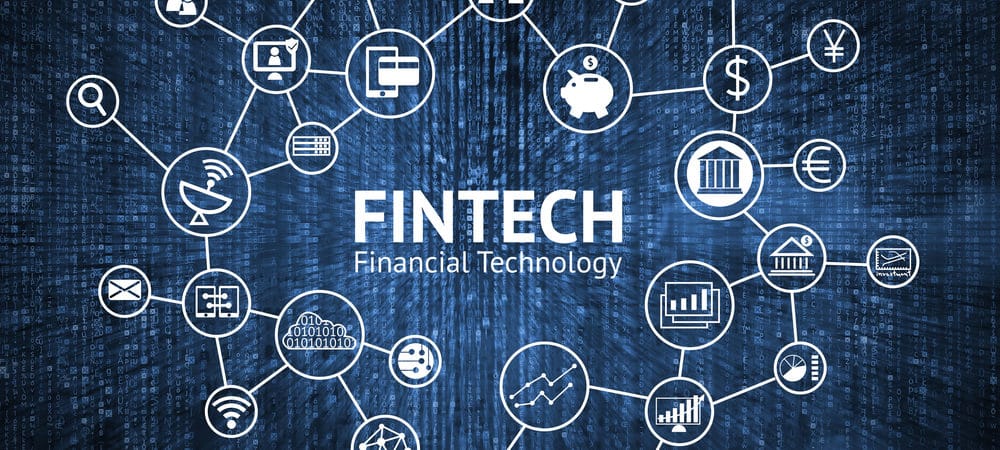
The financial industry has never changed before in the last few years – thanks to its rapid embrace of FinTech software development. It doesn’t matter whether you’re a bank, a start-up, or a financial institution; technology is a competitive advantage, not a support system anymore.
If you’re a business owner who’s seeking to digitize your financial services, improve the payment process, or create an innovative financial service platform, this document will provide you a brief understanding of what fintech software development is, what you should expect, and how to collaborate with the right team that provides custom FinTech software development services, to bring your idea to market.
Why FinTech Software Development Is Changing The Game For Business Owners
If your business is still depending on banking techniques and manual financial functions, Automating Financial Operations
Custom fintech software can automate tedious tasks in the financial operation process – including billing and accounting, reconciliation, and reporting – to save you time, reduce errors, and let you concentrate on your big-picture strategy.
- Elevated Experience for Customers
Fintech platforms enhance the customer experience, allowing users to pay in an instant, smart budgeting, AI investment advice, and access services at all hours – building loyalty with repeat customers.
- Security & Regulatory Framework (Compliance)
Today’s fintech solutions come equipped with bank-level security and use multi-factor authentication and internal on regulatory standards (PCI DSS, GDPR, etc) to establish trust and growth.
- Scale Growth Markets
Fintech can easily scale with your business growth, adding new users, expanding services, or adding a location.
Key Phases of Fintech Software *(Application)* Development
Bringing a fintech product to life has distinct phases that are all equally critical to its success. Here’s a succinct overview of key components in a fintech platform.
- Discovery & Strategy
This is where your business strategy and outcomes can be implemented by technology. Your development partner takes your business requirements and explores opportunities and your options for technical stacks and regulatory frameworks.
- UI/UX Design
Fintech apps have to feel simple but powerful. Designers develop intuitively clear design layouts to ensure the user has the ability to manage their personal finances or business in a fashion that is effortless and secure.
- Development & Integration – As your product begins its development, the code is built, bank APIs are integrated for KYC, banking connections, processing transactions, etc. The solution is powered in a test environment where speed, security and Testing and Compliance Validation
Every fintech application or platform undergoes rigorous QA testing to ensure zero vulnerability, data protection, and compliance with financial bodies with no exceptions.
4.. Deployment and Ongoing Support
Once live, you should regularly maintain, add features to the software, and monitor compliance to keep your software updated and future-ready.
Finding the Right Fintech Software Development Partner
Getting your fintech development company correct is essential. Work with a company capable of providing end-to-end custom fintech software development services and technical support, not just coding and development.
Here is what to look for:
– Industry Experience – Work with a development company that has developed fintech apps for banking, payments, lending, or wealth management.
– Security – You will want to work with developers who are on their way to or already compliant with data protection laws specific to financial data.
– Agile Development Process – Just keep in mind that as the MVP, you will want cooperative development that supplies quick cycles with clear communication to get software delivered.
– Technology Savvy – Are they product and tech-savvy developers with plenty of experience working with developing AI, blockchain, and API integration?
– Post-launch Support – In case you find the product you launched, the company providing you services continues to maintain it for you or provide some scale after you launch.
A good fintech partner will work with you beyond just that application—they develop a long relationship with you/your organization that works toward an ultimately shared vision of innovation.
How Much Does Fintech Software Development Cost?
The cost of your custom development will depend on the level of code complexity you will require, additional features when you do plan, and compliance.
A basic fintech MVP would be $30,000-60,000.
An advanced-level enterprise solution will cost $100,000- and more.
Working with an experienced fintech development company that can provide custom fintech software development services allows you to wisely use your money—paying for quality and capacity of the custom service you expect and an experienced team instead of quick programming.
Fintech Development Opportunities to Consider in 2025
If you are considering investing now as a business owner, there are some major fintech developments toward which every company will comply or invest in. These include:
- AI-powered risk assessment and fraud detection
- Blockchain-powered smart contracts and digital ID
- Embedded finance and open banking APIs
- Vocal payments and chatbot payments
- Hyper-personalized, community experiences.
Working with a fintech partner that builds with these innovations gives you a distinct competitive advantage in the market.
Final Thoughts
Fintech is the present, not the future! For business owners and leaders, there is no more relevant time to invest and participate than now. The fintech software developers and consultants are the key, not only to invest in new technology, but also to scale faster, work smarter, and use technology to foster trust through transparency and innovation, which transforms industries of all type, including but not limited to your audience.
If you try to automate your existing financial systems for the launch of a product in digital banking at the enterprise level, or you simply just need to know that an expert in the field of customized services can help illustrate a vision of a product that is secure, scalable, and profitable.
If you are ready to build your next-generation fintech platform, you should get started with a consultation now, the future of finance will be written in code.