
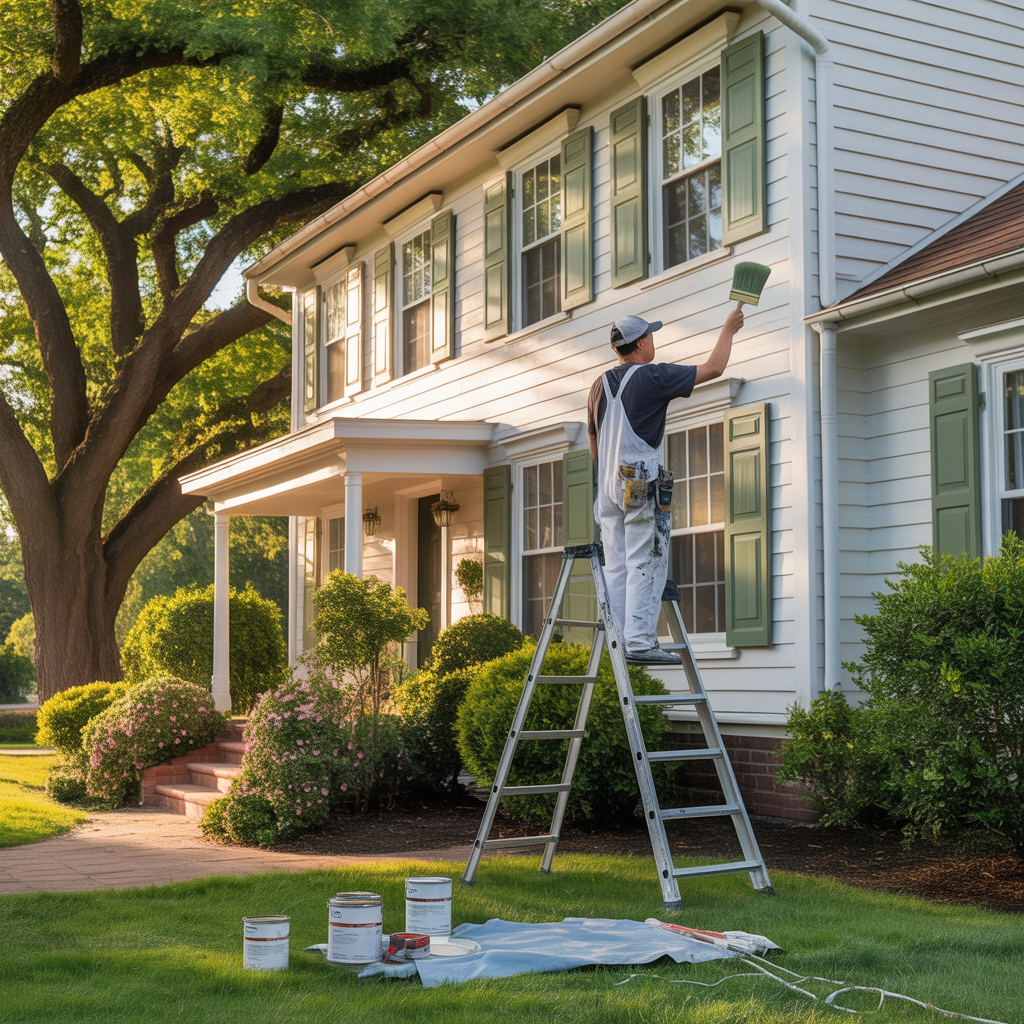
Artificial intelligence (AI) is reshaping many industries, and painting is no exception. From digital art and design to residential and industrial painting, AI tools are changing how people plan, create, and manage painting projects. Painters, homeowners, and businesses are starting to use AI for color selection, surface inspection, predictive maintenance, and even robotic painting. The result is more precision, less waste, and better-quality finishes. AI systems can now analyze images, predict paint requirements, and even simulate finished looks before any brush touches the surface. This shift is helping professionals work faster and smarter, while giving clients more control over the final outcome. As technology continues to grow, AI is becoming a key partner in both creative and practical painting processes.
AI in Color Selection
Choosing paint colors has always been a challenge. Artificial intelligence has made this easier by using image recognition and machine learning to analyze surroundings and recommend matching or complementary shades. Apps powered by AI can scan a room, detect lighting conditions, and suggest the best paint tones. For instance, AI can match the color of a favorite fabric or photograph and generate similar options for walls. This helps avoid guesswork and ensures consistency across different spaces. Homeowners can visualize how the final paint job will look without lifting a brush. Designers use these tools to test combinations before making real changes, saving both time and cost.
Virtual Visualization and Design Assistance
Before AI, homeowners often relied on small paint samples or guesswork to imagine how a space would look. Now, virtual painting tools use AI to simulate color and texture changes in real time. You can upload a photo of your home, and the AI instantly shows how different colors will appear under natural or artificial light. These virtual previews help people make confident decisions. For painters and contractors, this also reduces mistakes and client dissatisfaction. Some advanced systems even adapt the visualization to weather and lighting variations, providing a realistic view of the paint outcome.
AI for Surface Analysis and Preparation
Preparing surfaces before painting is one of the most critical steps. AI-powered inspection systems now analyze walls, ceilings, or industrial surfaces to detect cracks, moisture, mold, or uneven textures. Cameras and sensors connected to AI software scan the surface and provide detailed reports. This allows painters to know exactly where repairs or sanding are needed before painting begins. The process ensures better adhesion and a longer-lasting finish. In large-scale industrial painting, Artificial intelligence drones can inspect bridges, pipelines, and buildings for corrosion or wear, helping maintenance teams schedule repairs more effectively.
Automated Painting Robots
AI-driven robots are being used to handle repetitive or complex painting tasks. These machines are equipped with sensors and computer vision, allowing them to move along surfaces and apply paint evenly. They can adapt to shapes, detect obstacles, and adjust spray pressure or brush strokes automatically. Robots are especially useful in large areas like warehouses, ships, or skyscrapers, where manual painting can be risky or time-consuming. They improve safety by keeping workers away from hazardous environments and ensure uniform coverage that meets high-quality standards.
Predictive Maintenance for Painted Surfaces
AI can predict when a painted surface might need maintenance. Using data from sensors and previous painting records, AI models can estimate how long a coating will last under specific environmental conditions. For example, in coastal areas where humidity and salt exposure are high, AI can alert maintenance teams to repaint earlier. This predictive approach reduces costly repairs and prevents damage before it spreads. It’s also helping industries and municipalities manage infrastructure like bridges and water tanks more efficiently.
AI in Paint Formulation
Paint manufacturers are using AI to design new paint formulas with better performance. Machine learning algorithms analyze thousands of chemical compositions and their effects on durability, color stability, and drying time. This helps chemists discover combinations that are more eco-friendly or cost-effective. AI can also test virtual models of paint behavior under heat, moisture, or UV light before real production. The result is faster innovation with less waste. Some companies are even creating self-healing or air-purifying paints based on AI-driven material analysis.
Enhancing Artistic Creativity with AI
AI is not just about industrial or home painting. It has entered the creative side too. Artists are now using AI programs to generate new art styles, patterns, and concepts. These tools can learn from millions of artworks and create fresh designs inspired by them. Painters use AI-generated sketches or color schemes as inspiration for their own work. Some AI systems even collaborate with artists in real time, suggesting brush strokes or color variations based on mood or theme. This blend of technology and creativity is expanding what art can be.
AI in Commercial and Residential Painting
AI has made planning and project management simpler for painting contractors. Smart project management tools can estimate paint quantities, labor time, and costs more accurately. They analyze past projects to predict how long a new job might take and how much material will be needed. AI scheduling tools can also optimize workforce allocation and delivery timelines. For example, if a rainstorm is expected, the system can automatically reschedule exterior work. In residential services like house painting coral springs, AI helps painters provide virtual consultations and precise color visualizations, improving customer satisfaction before the first coat is applied.
Energy Efficiency and Sustainability
AI contributes to eco-friendly painting by minimizing waste and improving energy efficiency. Smart paint sprayers can control the amount of paint released to avoid overspray. AI can calculate the exact quantity needed for each surface, reducing leftover materials. In factories, AI systems manage ventilation and drying conditions to lower energy use during large painting projects. Paint manufacturers are also using AI to develop water-based paints with low volatile organic compounds (VOCs), reducing harm to the environment and human health.
Real-Time Quality Control
During painting, AI-powered cameras monitor the process to ensure consistency. They detect defects like uneven coating, drips, or missed spots in real time. The system alerts painters or robots to correct the issue immediately. This level of precision improves the final result and saves on rework costs. For example, in automotive painting, AI ensures every car has the same smooth and glossy finish. This same technology is slowly reaching commercial and residential painting, ensuring high-quality outcomes with fewer touch-ups.
AI and Augmented Reality (AR) Integration
AI often works alongside augmented reality to enhance visualization. Through AR glasses or smartphone apps, painters can see how colors or designs will appear on a wall in 3D space. AI adjusts these visuals according to the room’s lighting and perspective, giving an accurate representation. This integration is particularly useful for interior designers and contractors who need to show clients realistic previews. It also helps avoid costly changes later since clients can confirm designs before any paint is applied.
Cost Estimation and Budget Management
Accurate cost estimation has always been a challenge in painting projects. AI simplifies this by using data analytics to forecast expenses. By analyzing the area size, paint type, and labor rate, AI systems create detailed budgets. They can even predict possible overruns and suggest ways to save money. Contractors use these tools to provide more transparent quotes to clients. It builds trust and reduces disputes over pricing. In large commercial projects, AI-based cost management ensures that budgets stay within limits while maintaining quality standards.
Personalized Painting Experience
AI allows for a more personalized experience. People can now use apps that learn their taste and recommend colors and textures that match their preferences. These systems use behavioral data, like past choices or photos, to suggest the most fitting options. For example, if someone likes calm tones and minimal designs, AI might recommend soft neutrals or matte finishes. This personal touch makes the painting process more user-friendly and tailored.
Future of AI in Painting
AI in painting is still evolving. Future systems may combine advanced robotics, sensor data, and AI-driven materials to create self-adjusting paint systems that adapt to temperature, moisture, or damage. Homes could soon have paint that changes color automatically based on mood or lighting. In industrial settings, smart coatings might detect and repair cracks by themselves. AI will likely make painting more efficient, sustainable, and creative than ever before.
Conclusion
AI is transforming painting from planning to execution. It helps people pick colors, prepare surfaces, estimate costs, and even automate painting tasks. Robots and smart systems now handle large projects safely and with better accuracy. Artists are finding new creative tools through AI, while manufacturers use it to develop stronger and greener paints. Whether it’s in industrial facilities or everyday home projects, AI is making painting more efficient, predictable, and visually impressive. The use of AI in this field will only continue to grow, shaping how we think about color, design, and maintenance in the years ahead.