
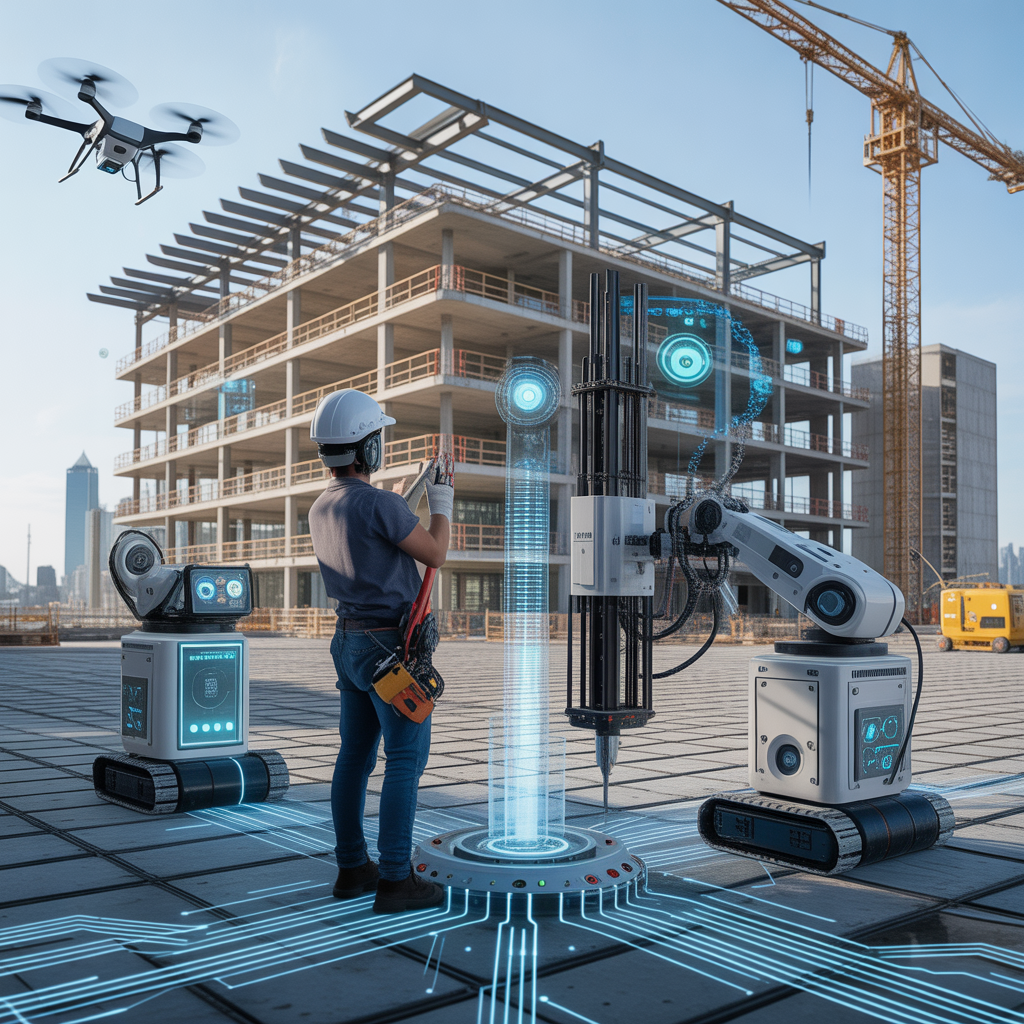
Artificial intelligence is changing the construction industry in ways that were once thought impossible. From planning and design to safety and maintenance, AI now plays an essential role in making projects faster, smarter, and safer. The construction sector has long struggled with delays, budget overruns, and human error. Now, AI is offering new tools to reduce these problems and help teams make better decisions in real time. By using data and automation, companies can manage complex projects with more accuracy. This shift doesn’t just save time; it also improves quality and safety across every phase of construction. The result is a new way of building that focuses on precision, efficiency, and sustainability.
The Role of AI in Modern Construction
AI helps construction professionals handle data that would be impossible to process manually. Every project produces thousands of data points from weather reports, material tracking, and worker safety records. AI systems analyze all this information and provide insights that help teams predict risks and prevent mistakes.
Key advantages of AI in construction:
-
Predicting equipment failures before they occur.
-
Identifying design flaws early in the process.
-
Improving communication between project teams.
-
Managing resources with real-time data.
AI also helps designers and engineers visualize buildings before construction starts. Machine learning algorithms can create detailed models that show how structures will perform in real life. This allows architects to fix design issues early, saving both time and money later on.
Smarter Project Planning
Planning is one of the hardest parts of construction. Small errors in early stages can cause huge problems later. AI-powered planning tools use historical data and real-time updates to predict potential delays or issues.
AI-based planning improves:
-
Scheduling accuracy.
-
Material and equipment allocation.
-
Workflow organization.
-
On-site communication.
For example, AI can analyze traffic patterns, weather forecasts, and labor availability to recommend the best project schedule. It can also identify where materials should be delivered and stored to improve workflow. This type of smart planning reduces waste and helps teams stay on track.
AI is also helping project managers balance workloads. Algorithms can study how teams perform and suggest ways to improve productivity. That means fewer idle hours and better resource use.
Design Automation and Generative Modeling
AI-driven design tools can now create multiple versions of a building plan within minutes. These systems, known as generative design tools, analyze design goals such as cost, material type, and energy efficiency, then generate hundreds of possible layouts.
Benefits of AI-based design:
-
Faster creation of design alternatives.
-
Better use of materials and space.
-
Automatic detection of design flaws.
-
More sustainable and cost-efficient plans.
Engineers can review these AI-generated designs and choose the most practical one. This speeds up the design phase while improving creativity and innovation. Instead of spending weeks drawing and redrawing plans, designers can explore more options in less time.
AI is even being used in 3D modeling software to identify structural weaknesses or design flaws automatically. By catching issues before construction begins, teams can avoid expensive rework later.
Enhancing Safety on Construction Sites
Construction work is dangerous, but AI is making it safer. AI-powered cameras and sensors monitor worksites and detect unsafe behaviors like workers not wearing helmets or standing too close to heavy machinery.
AI safety systems can:
-
Detect unsafe actions in real time.
-
Send instant alerts to supervisors.
-
Identify accident-prone areas.
-
Predict hazards before they happen.
These systems can send instant alerts to supervisors, preventing accidents before they happen. Some AI systems even predict risks by studying patterns in safety reports or identifying high-risk areas based on past incidents.
AI drones also play a key role in safety. They scan construction sites, identify hazards, and collect images for risk analysis. This helps supervisors make data-based safety decisions instead of relying only on manual inspections.
Improved Quality Control
AI improves quality control by monitoring every phase of construction. Cameras and sensors can check for structural errors, uneven surfaces, or material issues in real time. AI software compares current progress with digital blueprints and instantly detects differences.
AI quality control tools help:
-
Detect construction errors early.
-
Track progress accurately.
-
Reduce rework and waste.
-
Maintain consistency across multiple sites.
For example, AI vision tools can spot cracks or weak points that humans might overlook. This ensures that construction meets design standards and safety regulations.
Reducing Costs and Time
AI helps construction firms save money and time by automating routine tasks and improving efficiency. Predictive algorithms can forecast material needs, preventing both shortages and waste.
Ways AI reduces costs:
-
Predicting demand for materials.
-
Reducing rework through early error detection.
-
Lowering maintenance costs with predictive analytics.
-
Streamlining logistics and supply chains.
When combined with robotics, AI can manage repetitive or heavy tasks like bricklaying or welding, allowing human workers to focus on supervision and technical work. This balance leads to fewer delays and lower labor costs.
Predictive Maintenance of Equipment
Heavy machinery breakdowns can delay projects and increase expenses. AI helps by predicting when equipment needs maintenance before it fails.
Sensors installed in machines collect performance data and send it to AI systems for analysis. When the system detects unusual patterns, it alerts the maintenance team to inspect or replace parts.
Benefits of AI maintenance systems:
-
Prevents costly breakdowns.
-
Extends equipment lifespan.
-
Reduces downtime.
-
Improves safety for machine operators.
This proactive approach reduces unexpected failures and keeps equipment running efficiently throughout the project.
AI in Sustainable Construction
Sustainability is becoming more important in modern construction. AI supports eco-friendly practices by analyzing material choices, energy use, and environmental impact.
AI helps sustainability by:
-
Optimizing building energy performance.
-
Selecting eco-friendly materials.
-
Reducing construction waste.
-
Monitoring carbon emissions during projects.
AI systems can even simulate how buildings will perform under different climate conditions, helping designers build more resilient and energy-efficient structures.
Real-Time Progress Tracking
Monitoring progress is another area where AI makes a difference. Drones, cameras, and sensors feed live updates into AI dashboards that show project status, labor performance, and deadlines.
This allows project managers to compare current progress with the original plan. When delays or issues appear, they can make immediate adjustments.
Advantages of real-time tracking:
-
Accurate project monitoring.
-
Early detection of bottlenecks.
-
Improved team coordination.
-
Faster response to on-site issues.
This kind of data transparency improves accountability and keeps projects moving efficiently from start to finish.
The Role of AI in Construction Management
AI is now deeply integrated into construction management systems. It helps managers plan, allocate resources, and communicate effectively. Many project management tools now use AI to provide progress reports, budget forecasts, and safety insights automatically.
For example, a Construction Management Company in Hollywood might use AI to coordinate design, scheduling, and safety across multiple sites. AI assists in collecting all project data in one place, making it easier for teams to collaborate and for managers to make informed decisions quickly.
Challenges of AI in Construction
Even though AI is transforming construction, some challenges remain. The technology requires investment in software, training, and equipment. Many companies still rely on traditional methods and hesitate to change.
Key challenges include:
-
High initial setup costs.
-
Need for skilled AI specialists.
-
Data privacy and cybersecurity concerns.
-
Integration with old systems.
However, as AI becomes more accessible and affordable, more construction companies are beginning to adopt it.
The Future of AI in Construction
The future of construction will rely heavily on AI. As technology advances, AI systems will not only manage data but also make independent decisions. Robots guided by AI will handle complex building tasks with precision.
Future trends include:
-
Fully automated construction sites.
-
AI-driven building inspections.
-
Smart cities using AI-built infrastructure.
-
Increased use of robotics and drones.
AI will also continue to play a key role in sustainability and smart infrastructure development. Governments and companies will depend on AI to meet environmental goals and improve urban planning.
Conclusion
AI is not just an addition to construction; it is reshaping how buildings are planned, built, and maintained. By improving safety, efficiency, and sustainability, AI is helping the industry overcome old challenges and set new standards.
With tools that automate design, monitor safety, and predict maintenance needs, AI is turning construction into a smarter and more data-driven process. The companies that adapt early will stay ahead in this new era of intelligent construction. The future of building is not just about concrete and steel; it’s about data, algorithms, and innovation working together to build better and safer environments for everyone.