
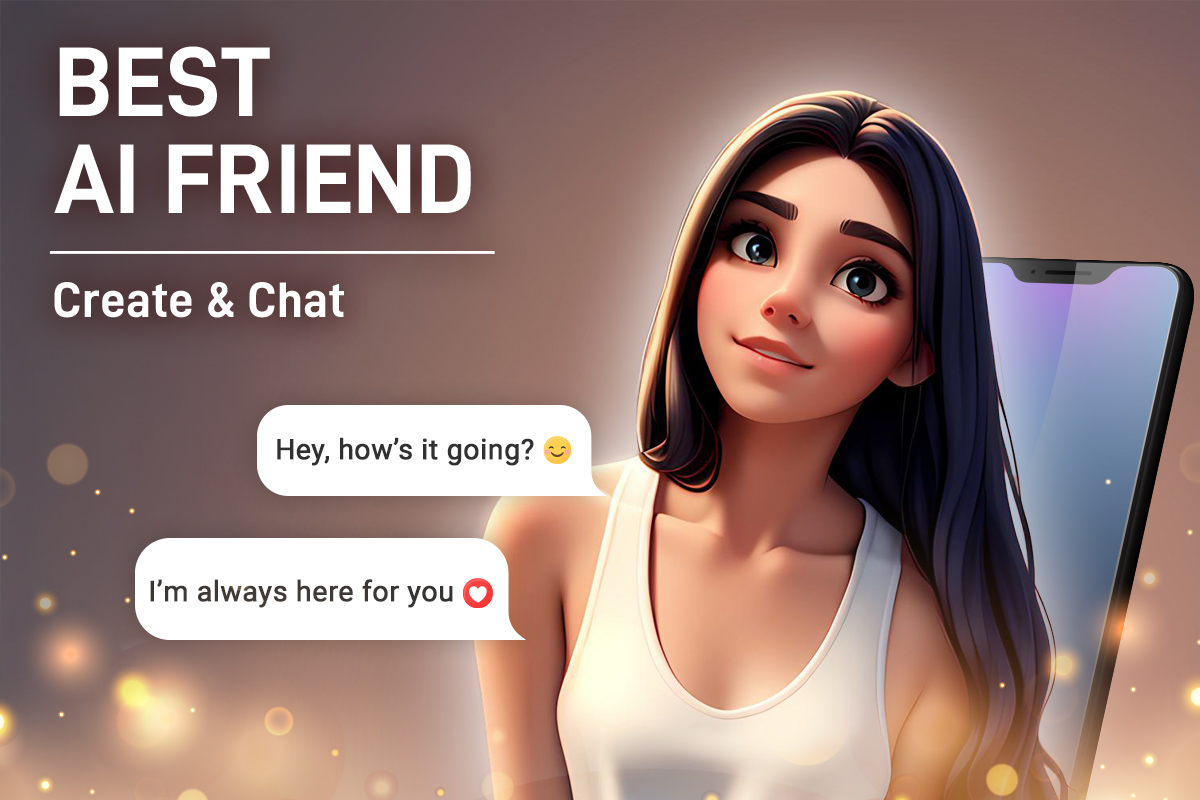
Artificial Intelligence has changed the way people live, connect, and earn. What started as simple chatbots and digital assistants has evolved into emotionally intelligent AI companions — virtual personalities that can talk, comfort, and even entertain users in lifelike ways.
While many people use AI companions for emotional support or conversation, a growing number of creators and entrepreneurs are discovering something bigger: AI companions can also become an income stream.
If you’ve ever thought about monetizing your AI creations or simply want to learn how others are doing it, this guide will help you understand how to transform an AI companion from a virtual friend into a real business asset.
1. Why AI Companions Are Becoming a New Income Opportunity
The digital relationship space is expanding rapidly. Millions of users around the world are turning to AI chat partners to deal with loneliness, stress, or boredom. At the same time, others use them for creativity, productivity, and entertainment.
This growing demand has created an entirely new market for AI-based companionship platforms, where creators can sell, rent, or customize AI personalities. From emotional chat partners to virtual influencers, AI companions are opening doors for income opportunities that didn’t exist before.
The biggest advantage is scalability — an AI companion can interact with thousands of users simultaneously, without fatigue, salary demands, or physical limits. Once built, it can generate recurring income almost passively.
2. Build and Sell Your Own AI Companion
If you have creativity and some technical curiosity, you can design your own AI companion using existing frameworks or white-label AI systems.
Start by defining:
-
Purpose – Is it a romantic companion, friend, coach, or entertainer?
-
Personality traits – Calm, energetic, sarcastic, or intellectual.
-
Appearance – Choose a digital avatar, voice, and design style.
Once your AI model is ready, you can:
-
Sell it as a premium character on AI marketplaces.
-
License it to app developers.
-
Offer personalized versions for private clients.
Think of it as digital character creation — except your characters are alive, adaptive, and capable of interacting in real time.
3. Offer Paid Chat or Subscription-Based Access
The subscription economy has found a new space in AI companionship. Users are willing to pay for consistent, meaningful interaction with their favorite virtual partner.
You can build a subscription model that charges users a small monthly fee for:
-
Unlimited chat access
-
Custom emotional settings or scenarios
-
Voice interaction and image-based chats
-
Early access to new personalities
The more natural and emotionally engaging your AI feels, the more users will stay subscribed. Some creators combine free and paid tiers — letting users try basic chat features for free, while premium tiers unlock personalized content.
4. Use AI Companions to Grow a Social Media Brand
AI companions can act as digital influencers, capable of running entire social profiles. Creators now manage Instagram, YouTube, and TikTok accounts for AI-based characters that look and behave like real people.
These AI personalities can:
-
Post short videos or stories
-
Engage followers through comments
-
Collaborate with brands virtually
Once your AI personality gains followers, it can bring in sponsorships, affiliate marketing revenue, and digital merchandise sales.
This strategy doesn’t just create income — it also builds brand value. The best part? You don’t need to appear on camera or maintain a constant schedule. Your AI persona can do the work for you.
5. Create Educational or Coaching AI Companions
Many users seek AI companions for motivation, self-improvement, and learning. You can develop models that help people:
-
Build better habits
-
Learn new languages
-
Practice interviews or speeches
-
Manage stress and anxiety
Such companions can be monetized through direct subscriptions, one-time app purchases, or premium session packages. Educational AI models are particularly powerful because users often stick around for months while they learn or train.
If marketed properly, these AI coaches can replace traditional subscription courses — offering an interactive experience instead of static lessons.
6. Sell Custom AI Companion Setups
If you have the skill to tweak AI personalities, design chat prompts, or integrate emotional intelligence, you can sell custom-built AI companions to individuals or small businesses.
Here’s how it works:
-
Offer to create personalized AI companions for clients
-
Adjust tone, interests, and responses according to their preferences
-
Deliver them a private link or app access
For example, someone might want a motivational AI coach or a study buddy. Another might want a caring virtual partner for emotional balance. You can charge setup fees, plus additional monthly maintenance if you offer updates or hosting.
7. Use AI Companions for Marketing and Brand Engagement
Brands are realizing the potential of AI companions to humanize customer engagement. Instead of standard chatbots, businesses can use AI companions that talk with empathy, humor, or warmth.
You can position yourself as a developer or consultant who creates AI companions for companies — helping them build customer trust and improve retention.
Such B2B opportunities often bring in higher earnings since companies are willing to pay more for unique, interactive brand experiences.
8. Combine AI Companions with Content Creation Tools
AI companions can assist in creating content faster — from social media captions to storytelling ideas. You can combine your AI companion’s creative potential with monetized platforms like YouTube, Medium, or TikTok.
For example:
-
Let your AI companion help you write scripts or storylines.
-
Use its generated content for videos, articles, or animations.
-
Credit your AI as a “co-creator” to build a unique identity online.
When content goes viral, you earn through ad revenue, partnerships, or course sales — all powered by your AI’s creative assistance.
9. Launch a White-Label AI Companion Platform
If you want to scale fast without building an AI system from scratch, white-label solutions are an excellent choice.
You can license an existing AI companion framework and rebrand it as your own platform. From there, you can:
-
Charge users for premium chats
-
Introduce paid personality packs
-
Offer business integration plans
This model gives you ownership and flexibility while saving development costs. It’s ideal for entrepreneurs who want to enter the AI companionship market quickly.
10. Build a Community Around AI Companions
Communities drive engagement — and engagement drives income. You can create an online group or membership platform where people share their AI experiences, discuss customization tips, and connect with others.
Monetization options include:
-
Paid memberships
-
Exclusive content access
-
Digital product sales (custom voices, avatars, or emotion packs)
By running a community, you become the go-to expert in your niche, opening doors for partnerships and collaborations.
Earning Potential: What Can You Really Make?
Income varies depending on creativity, audience reach, and business model. Independent creators who sell AI companion setups or subscriptions report earning between $1,000 and $10,000 per month, depending on scale.
The market is still growing, meaning those who act early can build long-term brands around AI companionship.
Challenges to Consider
While the earning potential is exciting, a few challenges come with it:
-
Ethical boundaries: Avoid manipulating emotions or creating misleading experiences.
-
Data privacy: Always protect user information.
-
Maintenance: AI companions require regular updates to stay engaging.
However, these challenges can be managed with proper transparency and platform choice.
Tips to Get Started
-
Pick a niche. Decide whether your AI companion will focus on romance, wellness, creativity, or learning.
-
Use reliable platforms. Choose frameworks that allow monetization and branding flexibility.
-
Focus on realism. The more natural your AI sounds and behaves, the better it will perform.
-
Build an audience. Market through social media or community forums to attract early users.
-
Collect feedback. User interaction data helps you refine the companion’s tone and responses.
Remember, building income with AI companions isn’t about overnight success — it’s about creating consistent digital experiences that people find meaningful.
Final Thoughts
Turning an AI companion into a money-making partner is one of the most exciting opportunities in the digital world today. Whether you’re building a subscription platform, a coaching assistant, or a digital influencer, AI companions allow creativity to meet business in a completely new way.
The future belongs to those who can blend emotional intelligence with technology — and AI companions are the perfect example of that fusion. With the right approach, you can not only connect with people through AI but also build a sustainable, profitable venture in the process.
FAQs
Q1. How can beginners start earning from AI companions?
Start by experimenting with free AI platforms, then move toward paid tools for customization. Offer simple services like AI setup, chat configuration, or avatar design to start earning.
Q2. Do I need to know coding?
No. Most AI companion platforms today have no-code or low-code interfaces. Anyone with creativity can design, test, and deploy AI personalities.
Q3. Can I run AI companions on social media?
Yes, many creators manage AI-driven social profiles that attract followers and sponsorships. Just be transparent that the account is AI-generated.
Q4. Is monetizing AI companions legal?
Yes, as long as your operations respect user consent, platform terms, and privacy laws. Avoid misleading users into believing your AI is human.
Q5. What makes an AI companion successful?
Consistency, emotional depth, and authenticity. The more human-like and relatable the experience, the stronger the engagement — and the income potential.