
The world of blockchain has come a long way from being just a niche topic among crypto enthusiasts. Today, it powers major financial systems, digital contracts, and decentralized apps.
Globally, the blockchain technology market is worth $31.28 billion as of 2024. It’s a big market, and after all, this technology is being used across various sectors, including financial services, healthcare, agriculture, and so on.
However, despite its wide scope in terms of usage, blockchain faces security threats that can’t be ignored. Hackers are getting smarter, and as transactions and data flow through millions of nodes, keeping everything secure has become more complex.
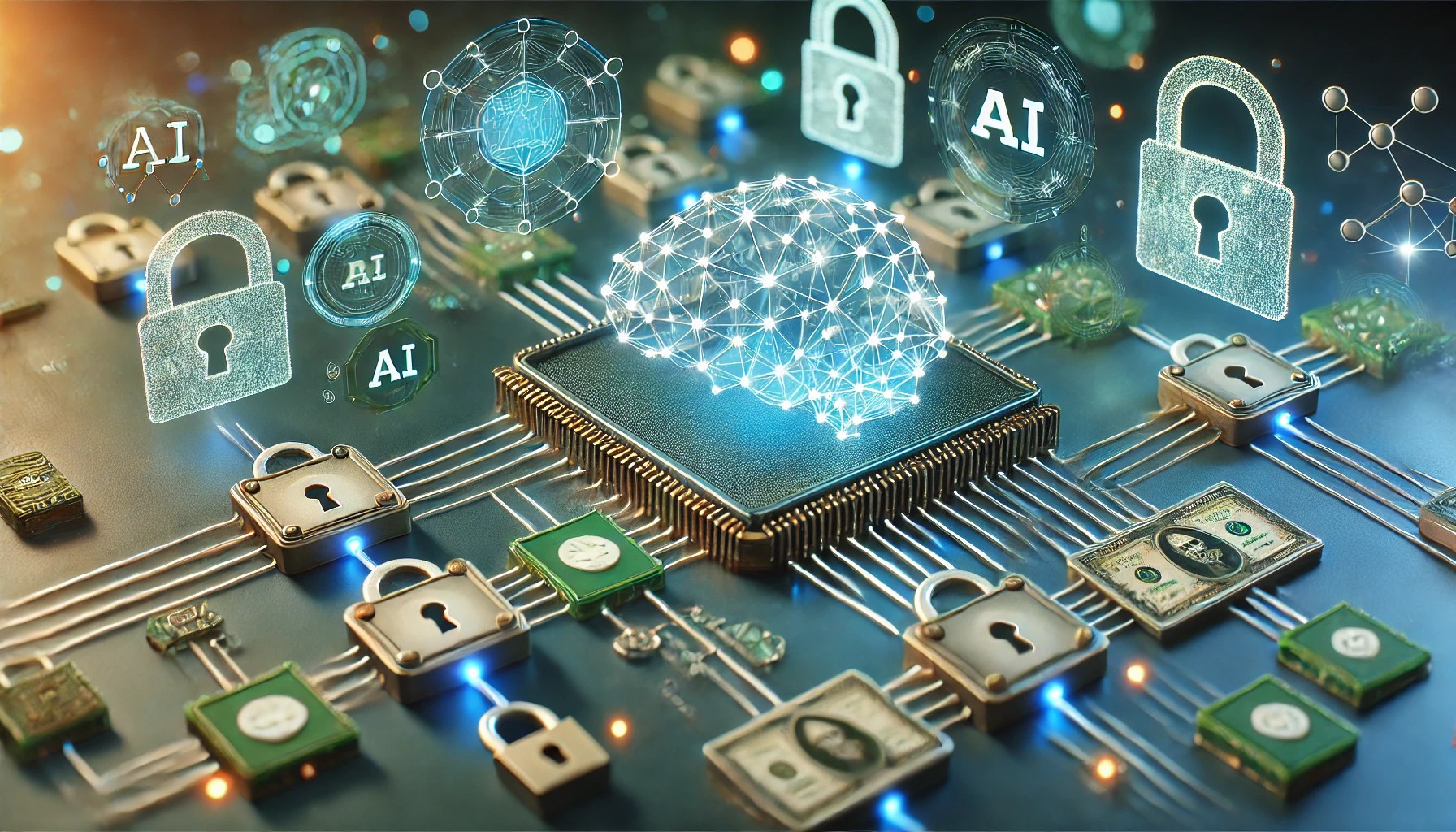
Thankfully, artificial intelligence (AI) is currently proving to be a game-changer in protecting the blockchain world. Here’s how.
Detecting Threats Before They Happen
Blockchain technology is built on trustless systems where transactions are verified without a central authority. Yet, even trustless systems can be manipulated if someone finds a weak point.
The blockchain AI market, as of 2025, is valued at $0.7 billion. In many cases, the AI used across the blockchain is there to beef up its security. AI helps close weak points by analyzing massive amounts of blockchain data in real time. It looks for unusual transaction patterns, network inconsistencies, or signs of potential fraud that a human eye could easily miss.
For example, an AI model can learn what normal transaction behavior looks like for a certain network. Once it has that baseline, it can flag anything out of the ordinary, like an unusually large transaction. These early warnings allow developers or network validators to act before the damage is done.

Securing Various Operations Within the Blockchain
Blockchains are not static; they involve continuous processes like validating transactions, updating ledgers, and maintaining consensus. Each of these steps is vulnerable if someone manages to insert malicious code or take control of multiple nodes.
AI can monitor these processes and detect when something doesn’t align with expected behavior. It can also assess smart contract vulnerabilities, where even a single line of flawed code can lead to millions of dollars being lost.
Take Ethereum staking as an example. During Ethereum staking, users lock their crypto assets to help secure the network and validate transactions in return for rewards. This process depends entirely on the integrity and safety of the blockchain. If the system were compromised, every participant staking ETH could be at risk of losing their holdings.
With AI watching over it, any attempt to manipulate rewards, duplicate transactions, or fake validator activity can be caught almost instantly. Besides, as Bit Digital notes, top companies that stake ETH also have teams of dedicated independent advisors for AI and digital assets. These teams offer their insights to ensure that the blockchain stays secure and the crypto staking process remains fair and transparent.
Making Smart Contracts Smarter
Smart contracts are at the heart of decentralized finance, automating agreements without middlemen. But automation doesn’t always mean safety. Bugs or errors in smart contract code have led to massive losses in the past.
AI can step in here too, scanning contracts before they go live and testing every possible outcome to ensure no loophole remains open. It can simulate thousands of potential interactions between contracts, identifying how hackers might exploit them. This process is much faster and more thorough than manual audits.
As a result, developers can deploy safer contracts while users gain more confidence in decentralized apps. AI effectively acts as both a tester and a protector, keeping the financial side of blockchain cleaner and more secure.
Battling Deepfakes and Fraudulent Identities
Blockchain often goes hand in hand with digital identity systems. As more platforms explore decentralized identity verification, AI becomes critical for spotting fake or manipulated data.
In North America, deepfake fraud cases surged by 1,740 percent between 2022 and 2023. Scarily enough, the first quarter of 2025 alone saw financial losses exceeding $200 million due to deepfake fraud.
Fraudsters might use this deepfake technology or stolen credentials to access digital assets. AI’s ability to detect patterns, verify biometric data, and flag inconsistencies gives blockchain-based identity systems a huge boost in trustworthiness.
For instance, AI can compare user data across multiple nodes and ensure that identity claims are consistent. It can catch discrepancies that may indicate a fake account or fraudulent access attempt. This type of active verification is vital for keeping the blockchain ecosystem clean and credible.
Predicting Future Threats
Cybersecurity is always a step behind the next big threat. But AI can flip that script. Through predictive analytics, it learns from past incidents and anticipates how future attacks might unfold.
By analyzing data from previous breaches or suspicious patterns, AI can forecast where vulnerabilities might appear next. This kind of foresight lets developers patch weak points early, reducing the risk of zero-day attacks. It’s a proactive defense strategy that makes blockchain systems not only resilient but also adaptable.
Blockchain was designed to make online transactions and data management more secure. Yet, like any powerful tool, it comes with challenges. Artificial intelligence adds the missing layer of adaptability and foresight that blockchain needs to stay strong against evolving threats.
From monitoring transactions to securing digital identities, AI is quietly reshaping how we think about trust in the digital world. AI is making sure that the future of blockchain security stays decentralized while still being secure.