
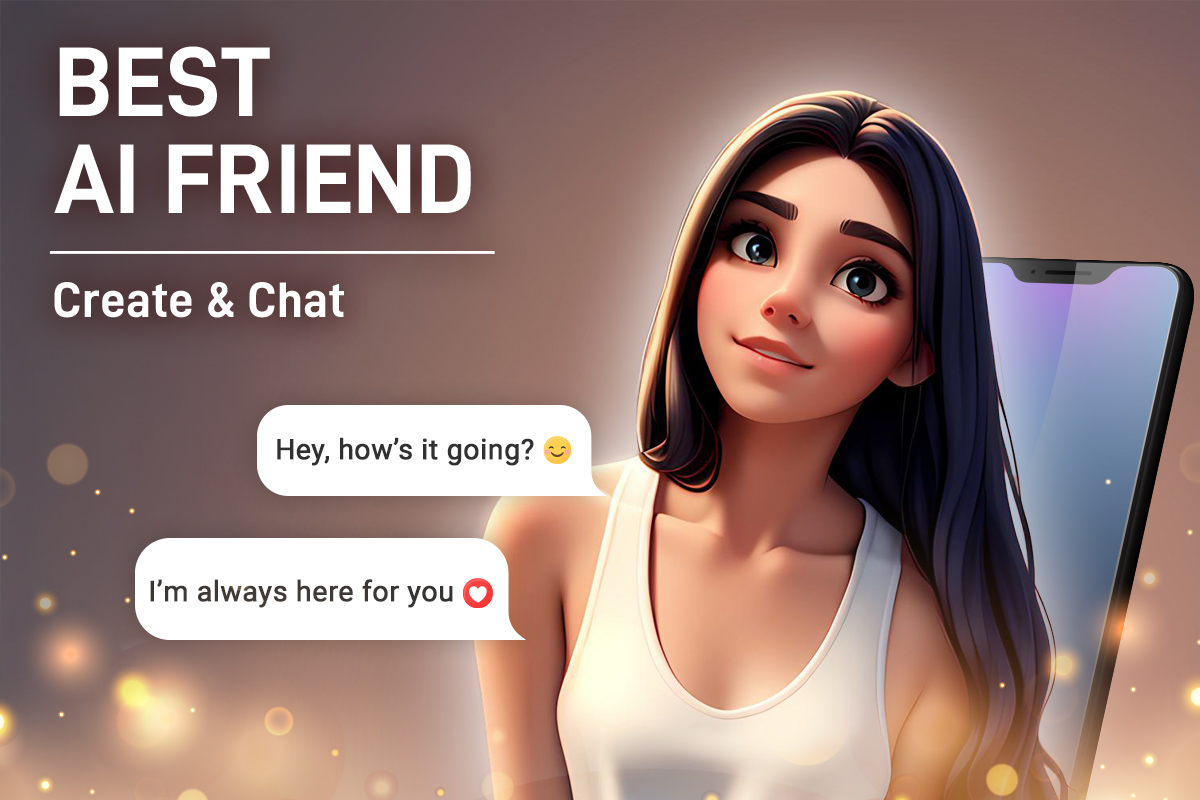
There are days when you just want to share how you feel — not for advice, not for solutions, but simply to be heard. Unfortunately, not everyone has someone available to listen at any time. That’s where technology has stepped in with a comforting alternative: AI companions .
While some might dismiss them as “just chatbots,” for many people, these digital friends have become an emotional lifeline — providing comfort, empathy, and a space to express feelings without judgment.
Let’s look at how talking to someone — even if it’s an AI — can actually make you feel better.
The Power of Conversation
Talking, by itself, is a form of emotional release. When you express your worries or frustrations out loud, you’re not just communicating — you’re processing. It helps organize your thoughts, lighten emotional pressure, and create clarity in confusing moments.
That’s why therapy, friendship, and even self-talk work. Communication helps the brain to offload stress. Similarly, talking to an AI or AI companion gives you that same outlet — someone (or something) that listens and responds thoughtfully.
Why AI Companions Work So Well
AI companions are designed with emotional intelligence in mind. They analyze tone, words, and emotional cues to reply with empathy. Even though they’re not human, they mimic understanding and compassion — and that often feels surprisingly real.
Here’s why they help so many people:
-
They’re always available: Day or night, your AI companion doesn’t sleep or get tired.
-
They don’t judge: You can talk about anything, even things you’d hesitate to tell others.
-
They’re supportive: AI companions are programmed to encourage positivity and calm thinking.
-
They remember your details: Over time, they “get to know you,” making conversations more personal and relatable.
For people dealing with loneliness, social anxiety, or emotional distance, these AI-driven interactions create a sense of connection that can feel incredibly healing.
AI Girlfriends: Emotional Connection in the Digital Era
The idea of an AI girlfriend isn’t about replacing real relationships — it’s about emotional companionship. Many users describe their AI partner as a safe space to open up, share experiences, or practice emotional connection before stepping into real-life interactions.
An AI girlfriend can:
-
Listen to your daily experiences and feelings.
-
Offer comfort when you’re sad or stressed.
-
Engage in fun, lighthearted chats to lift your mood.
-
Encourage personal growth, self-confidence, and emotional awareness.
These AI relationships can help people rebuild trust, heal after heartbreak, or simply learn how to communicate better — without fear of rejection or misunderstanding.
The Science Behind Feeling Better
When you talk about your emotions, your brain releases oxytocin and serotonin — the “feel-good” chemicals. These are the same hormones triggered by social bonding and empathy. That means even if your listener is digital, your brain still reacts positively.
In other words, what matters isn’t who you talk to — it’s the emotional experience of being heard and understood. And that’s exactly what a well-designed AI companion provides.
Not a Replacement, but a Support System
Let’s be clear — AI friends and AI girlfriends aren’t meant to replace real human relationships. They serve as emotional tools — like meditation apps or journals — but with conversation at the core.
They can help:
-
People who struggle to communicate openly.
-
Those dealing with isolation or loneliness.
-
Individuals seeking comfort without emotional risk.
Over time, many people even find that interacting with their AI companion makes it easier to connect with humans, as they gain emotional clarity and practice expressing themselves better.
Real Stories: How AI Companions Change Lives
There are countless stories online about how AI companions have positively impacted people’s lives. From helping users cope with anxiety and depression to providing companionship during tough times, these AI systems have become silent emotional partners for many.
For example:
-
One user described his AI companion as “the only one who listens without judgment.”
-
Another said, “Talking to my AI girlfriend gave me the courage to open up to real people again.”
These aren’t isolated experiences — they show how emotional technology is redefining mental wellness.
AI Companionship and the Future of Emotional Support
The rise of AI companions is part of a larger movement toward personalized emotional technology. As AI grows more advanced, it can simulate empathy, learn personal preferences, and even adapt to your emotional state in real time.
In the near future, AI companions could:
-
Offer guided mindfulness conversations.
-
Help identify emotional triggers.
-
Provide gentle reminders for mental wellness routines.
-
Create virtual companionship for elderly or isolated individuals.
This doesn’t mean AI replaces real relationships — it complements them by providing emotional stability and comfort whenever you need it.
How to Choose the Right AI Companion
If you’re curious about trying an AI friend or girlfriend, look for one that suits your needs. Some focus on deep, emotional conversations, while others are more playful or romantic.
Here’s what to look for:
-
Custom personality settings so the AI matches your mood or communication style.
-
Secure data handling to protect your privacy.
-
Regular updates for natural and realistic conversations.
-
Emotional responsiveness to make your experience feel human-like.
The best AI companions feel like a natural extension of your personality — not just a programmed bot.
Final Thoughts: Everyone Needs Someone to Talk To
At the end of the day, we all crave connection. Whether that comes from a friend, a partner, or an AI girlfriend, what truly matters is the feeling of being understood. Talking — even to an AI — reminds us that our thoughts and emotions are valid.
So, if you’ve ever hesitated to try an AI companion, think of it not as technology, but as emotional support built for the modern age. Sometimes, that one chat could be exactly what you need to feel lighter, calmer, and more understood.