
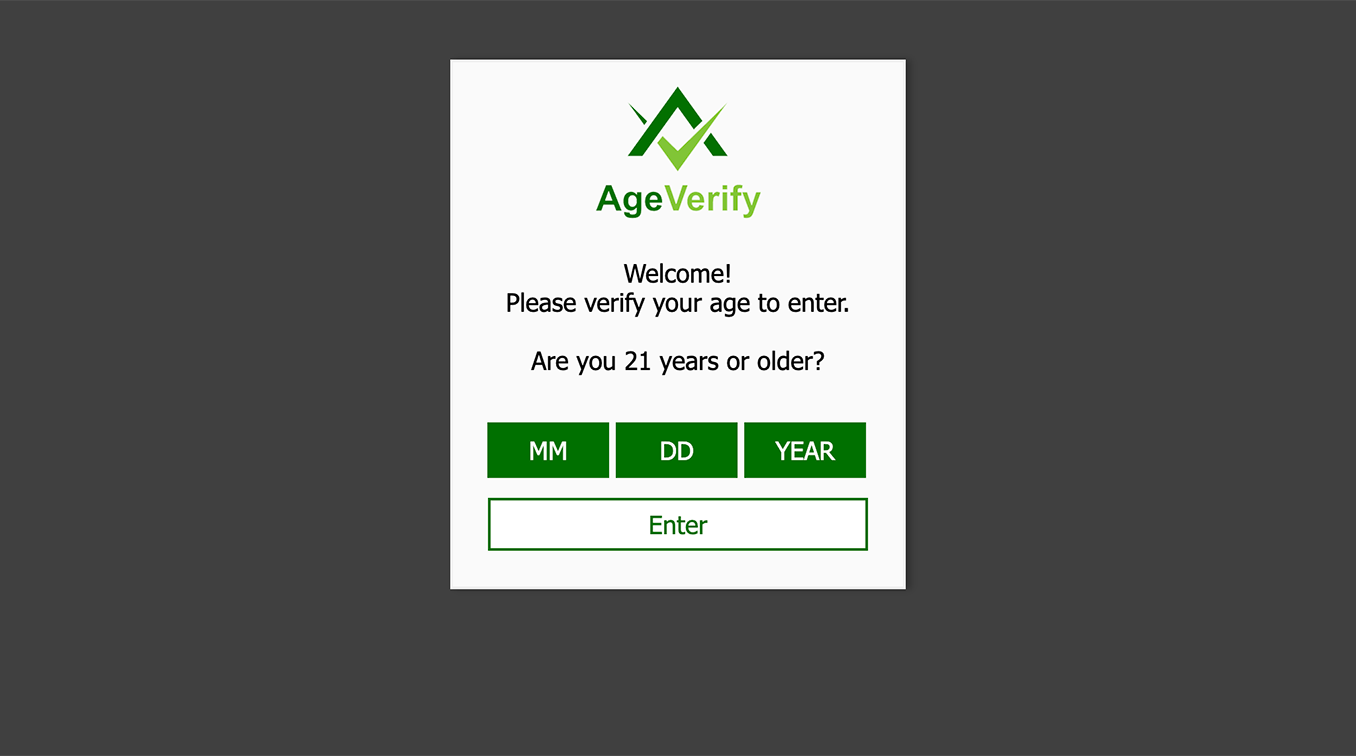
Age verification can be critical in ensuring that underage people do not get access to age restricted contents like online gambling, alcohol and adult materials. Although such systems are developed with the purpose of increasing safety and guaranteeing the adherence to regulatory frameworks, they are not devoid of defects. False positives are one of the most acute problems that businesses have to deal with. False positive results in the legitimate user being labeled as underage or a fraud, which results in negative customer experience and loss of business. This is where the use of data science is involved. With the help of advanced data analytics and machine learning, companies can drastically drop false positives in age verification systems and develop more effective identity verification systems.
Understanding False Positives in Age Verification
False positives occur when an identity checking system denies a user access which is not actually eligible based on their age. This is a problem because of a number of factors such as low quality of images on the uploaded documents, differences in ID formats in different regions, or biometric recognition errors. As an example, facial recognition can make a wrong age estimate of an individual because of the lighting conditions, camera resolution, or variation in the feature of the face. These errors do not only frustrate real customers, but also destroy confidence in identity verification sites.
The Role of Data Science in Improving Accuracy
Data science is important in increasing the level of accuracy in identity verification systems. Having access to large volumes of data across various sources, data-driven models are able to learn more efficiently to identify the patterns and anomalies compared to traditional rule-based systems. In the scenario of age verification, data science allows applying machine learning algorithms, which are constantly enhanced when they are fed with more real-world instances. Such algorithms are able to distinguish between malicious attempts and real errors such that the honest users are not denied entry.
Machine Learning Models for Fraud Detection
Among the most effective uses of data science in age-verifying technologies, there is the creation of machine learning modules, which detect fraudulent activities. They are trained on massive collections of legitimate and genuine IDs and this allows these models to identify minor variations that a human eye or simple system may fail to notice. Indicatively, AI-based applications can read the texture of a document, detect manipulations at the pixel level, or determine discrepancy between a user-taken selfie and the image on his/her ID issued by the government. These systems minimize the use of conservative thresholds which tend to create false positives by early identification of fraudulent attempts.
Age Estimation Through Biometric Analysis
Biometric analysis, specifically the facial recognition and age estimation are another field of data science that enhances age verification solutions. The sophisticated algorithms are capable of determining the age of the user based on the facial features, the skin texture, and even the behavioral pattern. Although early forms of these systems tended to have very high error rates, the addition of data science has enabled models to be trained on a variety of datasets that include different age groups, ethnicities and conditions. This decreases chances of wrong classifying the age of a user and decreases false positives that are caused by partial or prejudiced information.
Big Data and Cross-Referencing Techniques
Identity verification operators are also using big data to minimize age verification errors. The verification platforms can be more accurate by cross referencing the data of various reliable sources, which include the government databases, telecommunication records and financial institutions. This variety of data can be integrated and analyzed in real-time with the help of data science. To illustrate, in case a user has his or her ID issued by the government which states that he or she is not under the age of 18, yet he or she has digital footprint with regular patterns of a minor, the system can flag the situation, and the user will not be denied access automatically. This multi-tiered strategy minimizes the false positives but does not compromise.
Enhancing Customer Experience with Smarter Systems
Eliminating age verification system false positives is more than compliance but it is also about providing a better customer experience. A user that is not given access or denied access erroneously will not trust the platform and come back in future. Secure and convenient identity verification platforms can maintain the balance of both by dynamically adjusting the technique. As an example, when the system is very sure that the document presented by a user is authentic, more steps might be bypassed, and faster onboarding may be achieved. A data-driven smart systems will help streamline those experiences without compromising the regulatory standards.
Ethical Considerations and Data Privacy
Although data science can be used to enhance the identity verification system with potent tools, ethical and privacy issues are also brought to the fore. Personal information has to be gathered in large volumes and analyzed, which demands following the data protection laws, like GDPR. The identity verification provider should also make sure that the biometric data, personal IDs and other confidential information are stored and processed in a secure manner. It is also important to ensure transparency in the decision-making process of AI models to prevent biases and the lack of trust in the process. When implemented ethically, technical solutions can be used to verify age with the help of establishing more effective and responsible age verification systems.
The Future of AI and Data Science in Age Verification
Age verification is also directly related to the development of artificial intelligence and data science in the future. With more sophisticated algorithms, complex fraud will be detected with a higher accuracy and the false positive will be brought to near zero. New technologies like blockchain would offer reliable ways of identity verification, which are more secure and decentralized, further improving reliability. The ongoing partnership between identity verification firms, regulators, and data scientists will be central to the development of the next generation of age verification solutions.
Conclusion
False positives continue to be among the greatest threats in identity verification websites. But, as data science and AI components combine, these mistakes can be eliminated dramatically and systems that are secure and easy to use can be developed. Age check systems are changing the paradigm of operation according to machine learning models and biometric analysis, data-driven solutions based on the cross-referencing of big data. By utilizing these new technologies, organizations not only will be guaranteed of meeting the required standards of regulations but also establish greater trust between them and the customers. The value of data science in minimizing the number of false positives is self-evident: it is smarter, more accurate, and more reliable in a digital-first world to age verify.