
Introduction – The Evolution of Retail Customer Experience
Retail has always been about creating meaningful connections with customers, but the way those connections are built has changed dramatically. Gone are the days when shoppers would wait in long queues, rely on generic advertisements, or tolerate delayed customer service. In today’s digital-first retail landscape, customers demand personalised recommendations, instant support, and seamless shopping journeys across all platforms.
This evolution is being powered by AI Development and Chatbot Development, enabling brands to deliver experiences that feel personal, predictive, and proactive. From e-commerce websites to physical stores integrating digital solutions, retailers are embracing AI not just as a tool, but as a strategy for survival and growth.
Why Customer Experience Is the New Battleground in Retail

Customer experience (CX) has overtaken price and product as the key brand differentiator in retail. Studies suggest that a majority of customers switch to competitors after just one negative experience, underscoring the fragility of brand loyalty.
For legacy retailers competing with digital-first giants, customer expectations are higher than ever. They expect 24/7 support, relevant product suggestions, seamless checkout processes, and prompt resolutions to issues. Meeting these expectations is nearly impossible without the support of modern technologies like AI and chatbots, which help automate processes while maintaining a personal touch.
AI in Retail – Beyond Automation to Personalization

AI in retail is no longer confined to back-end tasks such as inventory management or fraud detection. It has moved front and center, transforming how customers engage with brands. With AI Development, retailers can now offer:
- Personalised recommendations based on browsing and purchase history.
- Predictive analytics that anticipate customer needs, such as replenishment reminders or seasonal product suggestions.
- Dynamic pricing that adjusts based on demand, competition, and buying trends.
This level of personification not only increases conversion rates but also builds deeper loyalty, as customers feel understood and valued by the brand.
The Rise of Chatbots as 24/7 Retail Assistants
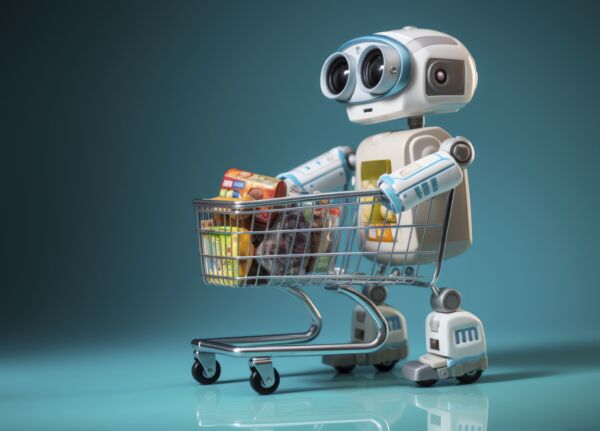
While AI powers personalization, chatbots have become the face of customer engagement in retail. Unlike traditional customer service, which depends heavily on human agents, chatbots provide instant, consistent, and cost-effective support.
Through Chatbot Development Services, brands can design bots that guide customers through the entire buying journey:
- Helping them find the right products.
- Answering queries about size, fit, or availability.
- Assisting with payments and checkout.
- Providing real-time updates on delivery and returns.
Beyond support, chatbots are now facilitating conversational commerce, where customers can browse and purchase products directly through platforms like WhatsApp, Messenger, or even voice-enabled devices.
Enhancing Multichannel Retail with AI & Chatbots
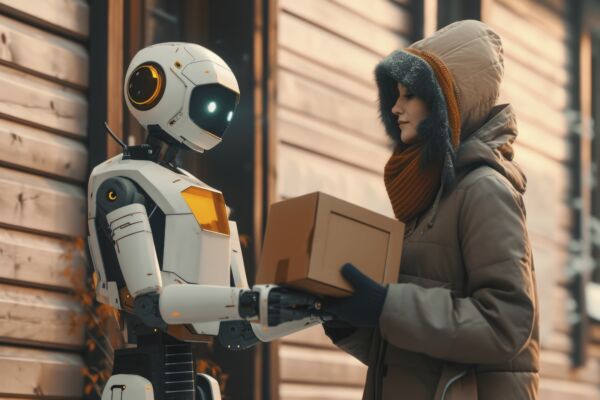
Modern customers often start their shopping journey on one channel and complete it on another. For example, a shopper might discover a product on Instagram, read reviews on a brand’s website, and finally purchase it in-store. Ensuring consistency across these touchpoints is a challenge—but one that AI and chatbot integrations are solving effectively.
Retailers are increasingly integrating e-commerce solutions with chatbot functionality to create seamless multichannel experiences. For instance, a chatbot can pick up a conversation from a mobile app and continue it in-store through smart kiosks or point-of-sale systems. This continuity not only improves CX but also boosts trust in the brand’s ability to deliver convenience.
Key Benefits of AI & Chatbots in Retail Customer Experience
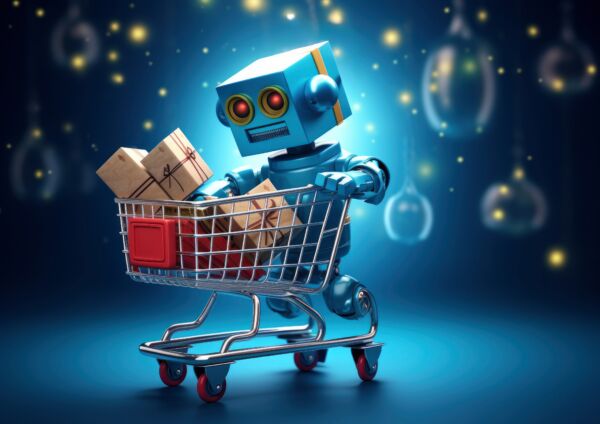
The adoption of AI and chatbots brings measurable improvements for retailers:
- Hyper-Personification at Scale – Every customer can get tailored offers and recommendations without overburdening human staff.
- Faster Response Times – 24/7 availability ensures no query goes unanswered, improving satisfaction rates.
- Cost-Efficient Operations – Automating repetitive tasks reduces operational costs and frees up employees for complex queries.
- Engagement and Retention – Conversational interactions keep customers engaged, increasing repeat purchases.
- Actionable Insights – AI tracks buying behaviours and preferences, providing retailers with invaluable customer data.
Real-World Case Studies of AI & Chatbots in Retail

Several global retailers have already demonstrated the power of AI and chatbots:
- Sephora introduced an AI chatbot that gives personalised beauty advice and guides customers toward the right products.
- H&M uses chatbots to suggest clothing combinations, making online shopping more interactive and enjoyable.
- Walmart leverages AI to enhance its supply chain and integrates chatbots for real-time customer queries.
- Tata Cliq and Reliance Retail in India are investing heavily in AI-driven personification and e-commerce development to cater to a tech-savvy consumer base.
These examples show that whether it’s luxury retail or mass-market brands, the adoption of AI and chatbots is universal.
Challenges and Limitations of AI & Chatbots in Retail
While the benefits are clear, retailers must also acknowledge the challenges:
- Loss of Human Touch – Over-reliance on bots may alienate customers who prefer human interactions.
- Language and Cultural Barriers – Chatbots may struggle with regional dialects, accents, or cultural nuances.
- Data Privacy Concerns – Managing sensitive customer data requires strict compliance with regulations like GDPR.
- Implementation Costs – Small and mid-sized retailers may find the initial investment in AI infrastructure significant.
Overcoming these hurdles requires a balanced approach, where human agents complement AI systems to ensure empathy alongside efficiency.
The Future of AI-Driven Customer Experience in Retail
The retail future is moving toward more intelligent, human-like interactions powered by AI. Some emerging trends include:
- Conversational AI that understands tone, context, and emotions.
- Voice-enabled assistants integrated into shopping experiences, making them hands-free and intuitive.
- Augmented Reality (AR) and Virtual Reality (VR) combined with chatbots to create immersive product trials.
- Predictive shopping journeys where AI recommends products before customers realise they need them.
Retailers who invest early in AI Development Services and Chatbot Development Services will be able to stay ahead of competitors by offering experiences that blend convenience with personification.
Conclusion – The New Standard of Retail Experience
AI and chatbots are no longer futuristic technologies—they are the present and future of retail. From improving customer engagement to driving conversions and reducing operational costs, they redefine how brands interact with shoppers.
As e-commerce development continues to evolve, the integration of AI and chatbots will become a standard feature rather than a differentiation. The retailers who embrace this transformation now will not only meet today’s customer expectations but also set the standard for tomorrow’s retail experiences.