
The traditional finance sector has seen its fair share of innovations over the decades, but very few have sparked as much discussion as tokenization. Once regarded as a niche experiment in the blockchain ecosystem, tokenization is now becoming a bridge between established financial markets and digital assets.
According to Forbes, real-world asset tokenization has now reached the $24 billion mark in June 2025. In early 2025, it was $18 billion, which was still a $10 billion increase from 2024. Many US companies and Wall Street experts have even started betting big on these real-world asset tokens.
The idea is straightforward: digitize ownership of tangible or intangible assets and represent them on a blockchain. This creates a more efficient, transparent, and accessible market.
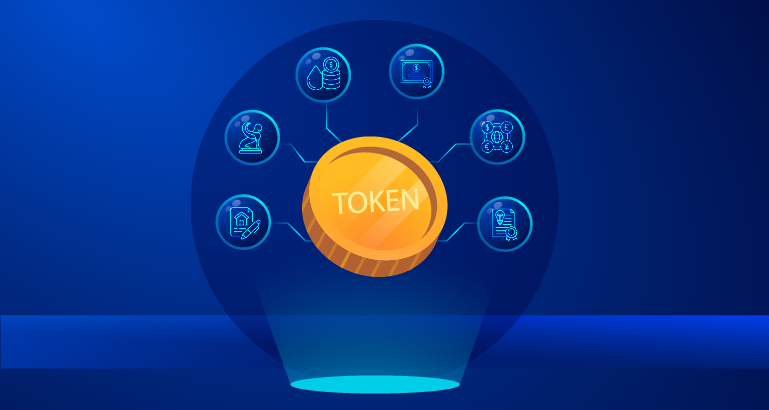
At its core, tokenization is about converting established financial instruments or physical items into digital tokens. These tokens can represent equities, bonds, commodities, or even luxury goods, and their use is expanding rapidly.
From Concept to Real World Asset Tokenization
The industry’s attention has increasingly turned to real-world asset tokenization, a development that moves the conversation beyond theory and into implementation. This approach emphasizes digitizing items and instruments that already exist in regulated markets, such as real estate, government bonds, or trade receivables.
According to Polymesh, assets like equities, commodities, debt, real estate, art & collectibles, etc., can be tokenized. Blockchain powers and benefits this process by making the listings and transactions transparent, trustworthy, and immutable.
It is not simply an experiment with blockchain technology but a reimagining of how capital can flow more freely across borders. By digitizing ownership of these assets, transactions can become faster, and risks associated with settlement can be reduced. It makes markets more accessible by creating liquidity for assets that were once difficult for many investors to trade.
Financial institutions are starting to see the potential. Global banks have launched tokenized bond trials, and asset managers are testing tokenized funds designed for faster settlement.
As a World Economic Forum article notes, tokenization is gaining recognition at both institutional and government levels. For instance, President Donald Trump has recently signed the GENIUS Act to legislate and regulate digital assets. These advancements can pave the way for making real-world asset tokenization a mainstream practice.
What was once considered a futuristic vision is now a practical pathway being explored by some of the most influential players in finance.
Liquidity and Market Accessibility
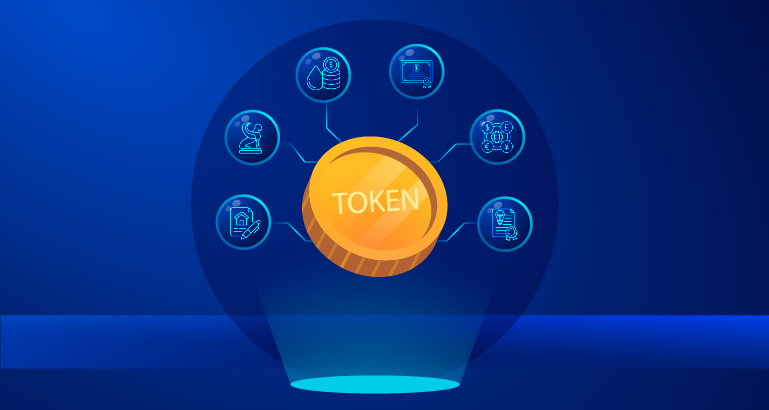
One of the most compelling advantages of tokenization lies in liquidity. Assets like real estate or private equity have traditionally been illiquid, limiting participation to large investors with long time horizons.
By dividing assets into smaller, tradable units, tokenization lets more people participate. What once required months of paperwork and negotiations can now be transacted digitally in a matter of hours.
Accessibility also improves significantly. Tokenized assets can be purchased across jurisdictions with fewer intermediaries, reducing costs and shortening settlement times. For markets long criticized for inefficiency, tokenization presents a way to streamline processes and expand investor reach.
Due to these benefits, a lot of assets are estimated to be tokenized quickly. According to a Deloitte report, real estate worth $4 trillion could be tokenized by 2035. This is a significant increase from just $0.3 tokenized real estate in 2024. At these estimates, it represents a CAGR of 27% between 2024 and 2035.
Institutional Confidence and Adoption
A major reason tokenization is gaining ground is the involvement of established financial institutions. Banks are experimenting with tokenized debt instruments, and investment firms are testing tokenized securities.
As stated by Investopedia, the World Bank has also launched tokenized bonds. In October 2023, it became the first issuer of tokenized assets on Euroclear’s platform. The European Investment Bank also launched a new digital bond as part of an experimental project. An MDPI study concludes that the same is true for many Swiss banks, too.
Their involvement lends credibility and helps ensure tokenization develops in line with regulations. Unlike the early days of blockchain adoption, where startups led the charge, today’s momentum comes from both disruptors and incumbents working together.
This creates a stronger foundation for long-term adoption. If tokenization is to truly integrate into traditional markets, the participation of these institutions is essential. Their expertise in risk management, compliance, and market infrastructure helps smooth the transition from pilot projects to mainstream financial offerings.
The road is not without obstacles. Questions remain about the interoperability of different blockchain systems and whether traditional investors will fully trust digital infrastructure for large-scale transactions.
Despite these challenges, the direction is clear. Each successful trial builds confidence, and with regulatory bodies starting to engage more proactively, tokenization is poised to move into a more mature phase.
Frequently Asked Questions
Are tokenized assets the same as cryptocurrencies?
No. Cryptocurrencies like Bitcoin and Ethereum are digital assets that live only on the blockchain. In contrast, tokenized assets represent real-world items, like real estate or bonds. Their value is tied to that underlying asset rather than just market speculation.
Can individual investors participate in tokenized markets?
Yes, tokenization lowers barriers to entry by allowing fractional ownership. While traditional investments in real estate or private equity often require large sums, tokenization makes it possible to invest with much smaller amounts. Access may still depend on regional regulations, but the model is inherently more inclusive.
What role does regulation play in tokenization?
Regulation is central to the success of tokenized markets. Clear rules help build trust among investors and ensure that tokenized assets comply with financial laws. Jurisdictions that provide legal frameworks for tokenization are more likely to attract institutional adoption and investor confidence.
Tokenization is no longer a theoretical exercise; it is shaping traditional finance in real-time. By introducing greater liquidity, improved accessibility, and faster settlement, it is opening possibilities that were once out of reach.
Tokenizing real-world assets is a game-changer for how capital markets operate. This could impact how we invest, lend, and trade for many years. Traditional finance is evolving, and tokenization is central to this shift.