
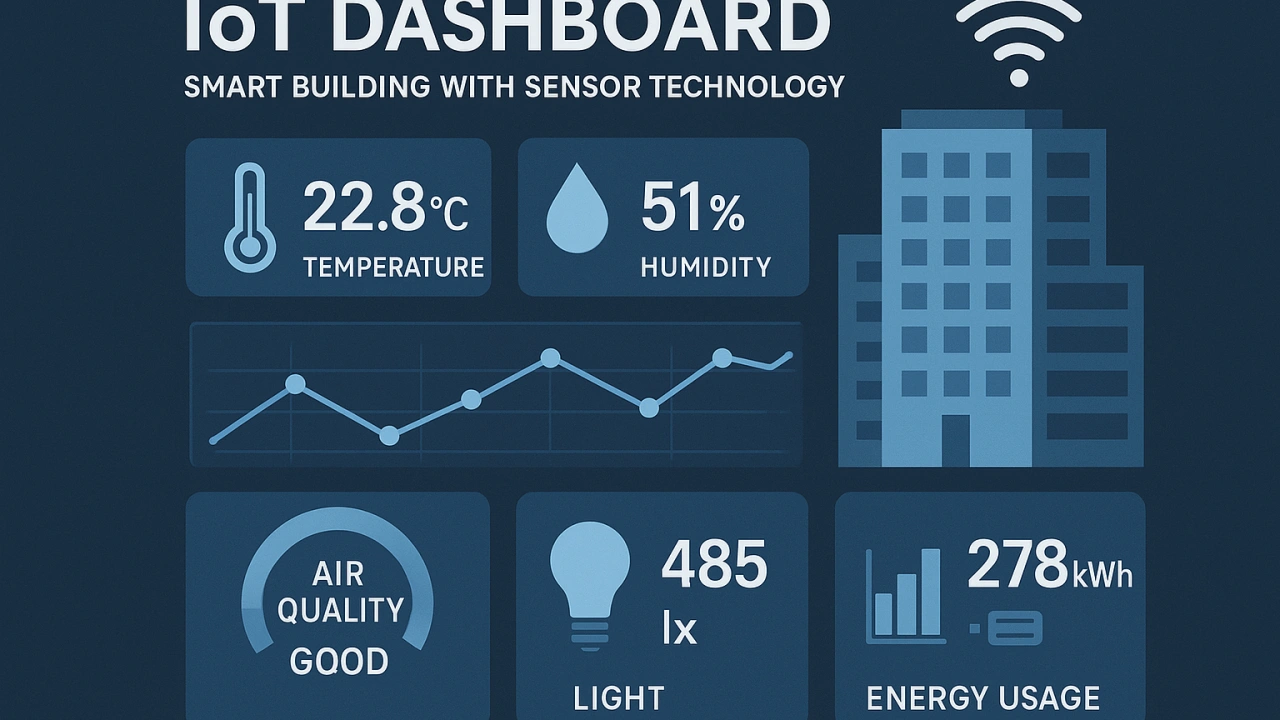
Machine learning maintenance is changing how we take care of our homes. The smart home market is growing faster and will reach $174 billion by 2025, with a CAGR of 13.6% from 2020 to 2025. This fundamental change has improved service efficiency and reshaped consumer expectations across the home services industry.
ML-based predictive maintenance has become a revolutionary force compared to traditional reactive methods. AI algorithms now analyze data from multiple sources to predict potential failures. These sources include usage patterns, weather conditions, and past repair records. This proactive approach helps reduce repair needs and future complaints. Housing providers have ended up building a quality-focused culture because of these improvements. The global predictive maintenance market shows this value clearly. It will grow from $4.0 billion in 2020 to $12.3 billion by 2025 with a CAGR of 25.2%.
Recent studies confirm that machine learning works well for predictive maintenance. The models have shown impressive accuracy rates: Random Forest at 99.93%, Neural Networks at 99.05%, and AdaBoost at 98.04%. AI systems can also extract practical insights from sensor data. They predict equipment failures with 90% accuracy. This piece explores how these technologies create smarter homes that need fewer emergency repairs.
From Reactive Fixes to Predictive Maintenance in Smart Homes
image source: Klíma Szerelő Budapest
Traditional home maintenance strategies have relied on two approaches that don’t work as well as they should. The first one fixes equipment only after it breaks down, which creates a cycle of surprise disruptions and emergency repairs that get pricey. The second approach follows fixed schedules to maintain equipment whatever its actual condition, which often means doing unnecessary work on perfectly good components.
Limitations of Scheduled and Reactive Maintenance
Reactive maintenance might seem budget-friendly at first because it needs minimal planning, but it creates major long-term problems for homeowners. This “run-to-failure” approach guides them toward surprise breakdowns, emergency repair bills, and safety risks. Critical systems like HVAC units fail without warning, and the problems spread throughout the house at the worst possible times. Statistics show that 70% of consumers feel frustrated when their gadgets malfunction, and about 30% of electronic devices fail within their first three years.
Preventive maintenance tries to fix these problems through regular service, but this approach means doing maintenance whatever the equipment’s condition. This wastes resources on equipment that works fine. The financial effects become clear when comparing strategies—companies save 12% to 18% by choosing preventive over reactive maintenance, but there’s room to do even better.
How Predictive Maintenance Reduces Emergency Repairs
Predictive maintenance turns houses into smart environments that take care of themselves. Equipment monitoring happens live, and performance data analysis gives early warnings about possible failures. Homeowners can schedule repairs at convenient times instead of dealing with emergencies. This change brings clear benefits:
- Fewer emergency repairs through early problem detection
- Longer equipment life by fixing small issues before they grow
- Maintenance costs drop 25-30% compared to reactive approaches
- Less downtime through planned fixes
- Better energy efficiency because well-maintained equipment runs better
A smart AI system watching a dishwasher can spot changes in water use or cycle times to predict clogs or breakdowns. Fixing these issues early stops small problems from becoming expensive repairs while making appliances last longer and keeping homes running smoothly.
Role of IoT in Enabling Real-Time Monitoring
IoT technology powers this maintenance revolution. Sensors throughout the house gather constant data about temperature, pressure, vibration, and usage patterns. These sensors turn regular home systems into smart devices that report their condition.
Property managers can watch HVAC performance, find water leaks, spot structural issues, and check environmental conditions as they happen. The system sends alerts automatically when readings go past set limits. This constant monitoring catches subtle equipment changes that nobody would notice until something breaks.
Machine learning algorithms make this system better by finding patterns in the data to predict failures accurately. These systems get smarter over time as they learn from past performance data. IoT sensors working together with machine learning create an all-encompassing approach that turns maintenance from a reactive need into a proactive plan.
Sensor-Driven Data Collection for Home Systems
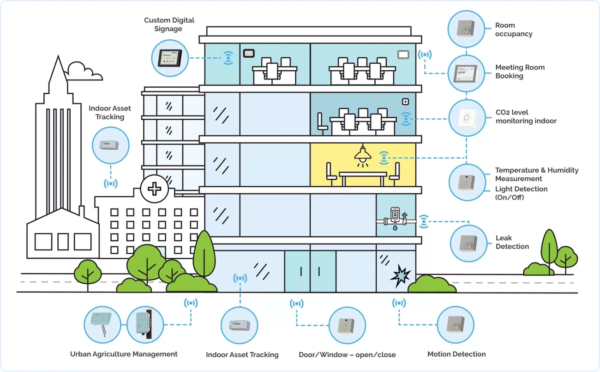
image source: Deblocari Oradea
Smart homes need quality data from well-placed sensors to maintain equipment properly. These sensors act as the system’s eyes and ears. They watch equipment conditions and warn about possible failures.
Temperature, Humidity, and Vibration Sensors in HVAC and Appliances
Specialized sensors that track environmental conditions and equipment performance are the foundations of home monitoring systems. Temperature sensors play a vital role in maintenance for many industries. They alert teams about problems before they become serious. HVAC systems use these sensors to track surface temperatures precisely. Some models can achieve accuracy of ±0.3°C.
Humidity sensors work alongside temperature monitors to track moisture levels that affect equipment life. Today’s smart home humidity sensors can detect relative humidity with ±3% accuracy between 10-90% RH. These readings matter because high humidity can create mold, harm wooden structures, and cause breathing problems.
Vibration sensors catch unusual movements in appliances and machinery:
- They spot irregular harmonics and motion patterns that show mechanical problems
- Many come with adjustable sensitivity settings to reduce false alarms
- Their compact design (some as small as 7.2×2.5×2cm) fits easily anywhere in the home
These precise sensors can spot potential failures in washing machines, dishwashers, and HVAC equipment well before they break down completely.
Data Logging with Raspberry Pi and Python
Raspberry Pi works great as a sensor data collection hub because it connects with many analog and digital sensors. This budget-friendly computing platform can record important measurements regularly and create complete datasets to analyze.
Python scripts manage the data collection process using libraries made for sensor communication. A simple logging system might look like this:
# Sample code structure for temperature logging
def read_temperature():
# Code to read from temperature sensor
return temperature_value
# Store reading with timestamp in database
sqlite_query = “INSERT INTO my_table VALUES({}, {})”.format(
time.time(), read_temperature())
Data collection timing varies by need—many systems take readings every 5-10 seconds. This information goes into databases like SQLite so users can find and analyze it easily.
Threshold-Based Alerting for Anomaly Detection
Setting limits for sensor readings provides the first warning of equipment problems. Homeowners can set custom limits for different measurements.
Homeowners can set specific limits for:
- Room or appliance temperatures
- Safe humidity levels to stop mold growth (usually 30-50%)
- Motor and moving part vibrations
The system sends alerts through text, email, or apps when readings go beyond these limits. This quick warning helps because unusual readings often show problems that could lead to expensive emergency repairs.
New systems use advanced methods like statistical pattern recognition to find odd behaviors that simple limits might miss. Machine learning algorithms study sensor data and get better at telling normal changes from real problems.
Machine Learning Models for Predictive Maintenance
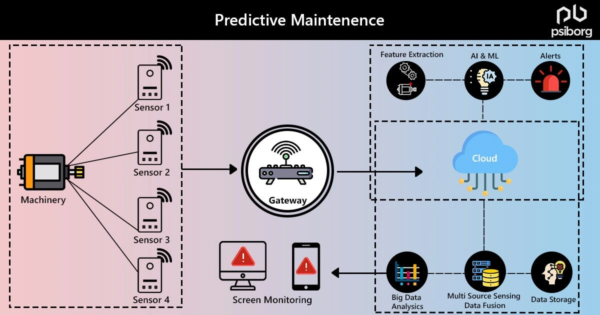
image source: AI Joux
ML algorithms are the foundation of home maintenance prediction systems. Each algorithm has its own way to detect and prevent faults. These algorithms turn raw sensor data into applicable information about how well equipment is working.
Linear Regression for Continuous Fault Prediction
Linear regression looks at how equipment health metrics relate to operating conditions. This method finds the best-fitting linear equations to predict outcomes by reducing gaps between expected and actual results. Home maintenance systems using linear regression can explain about 95% of electricity just needs and 86% of gas usage patterns. This quickest way tracks equipment that slowly gets worse – upward trends show deteriorating conditions or breakdowns coming soon. Engineers use this to predict when HVAC components might fail, which cuts down emergency repairs by a lot.
Decision Trees for Classification of Fault States
Decision trees handle redundant data well and stay easy to understand, which makes them perfect for finding faults in home systems. They work like human thinking, so homeowners know exactly why the system flags issues. Research shows these trees are quite accurate – one system correctly spotted 86% of normal operations and 89% of test failures. Decision trees tackle complex data by breaking it into if/else questions that lead to accurate fault detection.
Isolation Forest for Unsupervised Anomaly Detection
Isolation Forest shines as a lightweight algorithm that spots anomalies in complex data without supervision. Unlike models that just need labeled training data, this one finds outliers by spotting data points that don’t fit normal patterns. It runs smoothly on smart home devices with limited resources. The algorithm scales better and runs faster than other methods like one-class SVM. Edge devices using this approach cut response times from hundreds of milliseconds to under 50ms.
Random Forest vs Neural Network vs AdaBoost Performance
Different predictive maintenance algorithms show clear performance differences. Random Forest spots anomalies with over 99% accuracy when set up right. Neural networks excel at pattern recognition but just need more training data and computing power than other methods. AdaBoost algorithms hit 92% accuracy when classifying equipment faults in real time. XGBoost has beaten eight other ML models at predicting HVAC system maintenance, with better precision. Choosing between these algorithms depends on your computing resources, data amount, and whether you need to understand how the system makes decisions.
Real-Time Implementation and Alert Systems
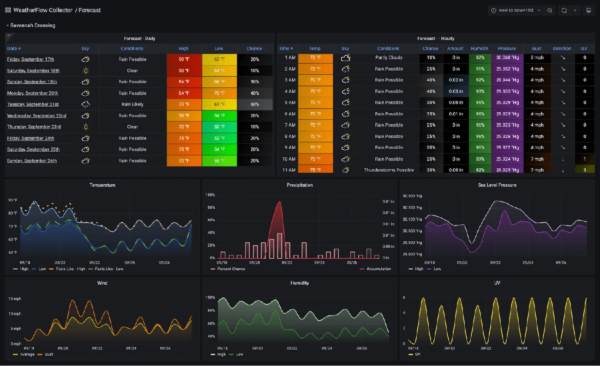
image source: CRMatrix
Smart home systems need strong data processing pipelines and effective alerting mechanisms to implement machine learning models. The deployment of predictive maintenance capabilities turns theoretical models into working home protection systems.
Python Code for Sensor Data Processing
Python makes an ideal programming language for IoT implementations because it offers clear syntax for sensor communication and data processing. Edge computing devices like Raspberry Pi can run Python scripts to monitor environmental conditions continuously:
# Basic temperature anomaly detection
def process_sensor_data(temperature_reading):
if temperature_reading > TEMP_THRESHOLD:
trigger_alert(“Temperature exceeds threshold”)
return isolation_forest.predict([temperature_reading])
This approach enables real-time analysis directly on edge devices that reduces latency and identifies anomalies instantly. The sensor data goes through machine learning algorithms like Isolation Forest to detect anomalies with minimal computational overhead.
Triggering Alerts Based on Sensor Thresholds
Alert systems depend on preset thresholds that activate when sensor readings go beyond acceptable limits. Modern systems support multiple notification channels:
- Email notifications with detailed diagnostic information
- SMS alerts for urgent issues requiring immediate attention
- Mobile push notifications via dedicated apps
Setting up alert profiles requires specific conditions for each monitored parameter. Temperature alerts can use qualitative thresholds (‘Good’, ‘Fair’, ‘Poor’), while power consumption alerts track usage patterns to spot anomalies. These alerts connect homeowners with service providers through secure electronic communication.
Visualizing Anomalies in Temperature and CO Readings
Visualization tools help homeowners grasp complex sensor data without technical knowledge. Systems like RoomCanvas use color scales to show temperature variations throughout the home and highlight areas beyond preset thresholds. CO detection represents a critical safety application where up-to-the-minute visualization can prevent dangerous situations. Isolation Forest and LSTM Autoencoder models work together to minimize false alerts while maintaining reliable detection.
Evaluating Model Accuracy and System Performance
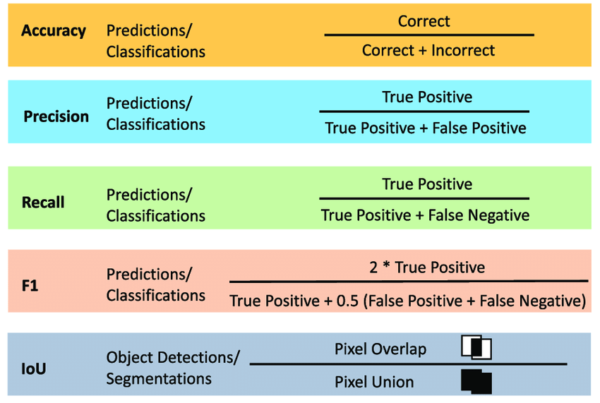
Model performance evaluation plays a vital role in building effective predictive maintenance systems. Smart home environments need the right evaluation metrics to ensure machine learning algorithms provide reliable predictions.
Accuracy and F1 Score Comparison of ML Models
Different predictive maintenance algorithms show notable variations in their performance. Random Forest stands out from other models with exceptional metrics—99.93% accuracy, 99.75% precision, 99.51% recall, and 99.63% F1 score. Neural Networks deliver solid results with slightly lower metrics (99.05% accuracy, 94.81% precision, 95.67% recall, 95.24% F1 score). AdaBoost performs well but lags behind with 98.04% accuracy, 95.36% precision, 84.32% recall, and 89.50% F1 score. Random Forest proves particularly effective for IoT device classification tasks in smart homes.
Precision vs Recall Trade-offs in Anomaly Detection
The balance between precision and recall matters when considering error costs. Precision shows how many predicted anomalies were correct, while recall indicates the percentage of actual anomalies detected. High recall takes priority in predictive maintenance because missed failures (false negatives) usually cost more than false alarms. Too many false positives can lead to homeowners ignoring alerts. The F1 score provides a balanced metric by calculating the harmonic mean between precision and recall, which helps especially with imbalanced datasets.
Scalability of Models for Real-Time Smart Home Use
Processing speed matters greatly for live applications. K-nearest neighbors (2.94 seconds) and Naive Bayes (1.02 seconds) process data much faster than Support Vector Machines (253 seconds). Random Forest hits the sweet spot—great performance with reasonable computational needs—making it perfect for resource-limited IoT environments. Deep learning models work well but need substantial computing power, which limits their use in everyday smart home applications. Linear Regression models remain competitive in predictive accuracy while staying interpretable and computationally efficient.
Conclusion
Machine learning has changed how we maintain our homes, moving away from traditional reactive approaches. Smart technologies work together to create more efficient homes that need far fewer emergency repairs. Regular homes become self-aware environments through strategically placed sensors, sophisticated algorithms, and live monitoring systems. These smart homes can alert homeowners before critical failures happen.
Temperature, humidity, and vibration sensors collect data that forms the basis of this new maintenance approach. These devices keep track of home systems and detect subtle changes that might point to problems. Homeowners can fix issues during scheduled maintenance instead of dealing with inconvenient emergencies.
Machine learning algorithms are central to these predictive systems. They analyze complex patterns to forecast equipment failures accurately. Random Forest models have showed excellent results with 99.93% accuracy in anomaly detection. Neural Networks and AdaBoost algorithms offer reliable alternatives based on specific application needs and computational limits.
This technological approach brings benefits beyond just convenience. Equipment lasts longer, maintenance costs drop by 25-30% compared to reactive approaches, and energy efficiency improves. The peace of mind from knowing critical systems are always monitored adds great value to the smart home experience.
Smart home maintenance systems will become more available and sophisticated as IoT technology advances. Future homes will do more than respond to commands – they will maintain themselves and spot potential failures before daily life gets disrupted. Machine learning maintenance isn’t just a technological upgrade. It completely reimagines how we care for our living spaces, creating truly smart homes that can take care of themselves.
FAQs
1. How does predictive maintenance in smart homes differ from traditional maintenance approaches?
Predictive maintenance uses machine learning and IoT sensors to monitor home systems in real-time, forecasting potential failures before they occur. This proactive approach allows for scheduled repairs, reducing emergency interventions and extending equipment lifespan, unlike reactive or scheduled maintenance methods.
2. What types of sensors are commonly used in smart home predictive maintenance systems?
Smart homes typically employ temperature, humidity, and vibration sensors. These devices monitor environmental conditions and equipment performance, providing data that machine learning algorithms analyze to detect anomalies and predict potential failures in systems like HVAC and appliances.
3. Which machine learning algorithms are most effective for home maintenance prediction?
Random Forest algorithms have shown exceptional performance, achieving 99.93% accuracy in anomaly detection. Other effective models include Neural Networks and AdaBoost, each offering unique strengths in fault classification and pattern recognition for home maintenance applications.
4. How do predictive maintenance systems alert homeowners to potential issues?
These systems use threshold-based alerting, sending notifications via email, SMS, or mobile apps when sensor readings exceed predefined limits. Some advanced systems also employ visualization tools, like color-coded temperature maps, to help homeowners understand complex data without technical expertise.
5. What are the main benefits of implementing predictive maintenance in smart homes?
Predictive maintenance in smart homes leads to fewer emergency repairs, extended equipment lifespans, reduced maintenance costs (25-30% lower than reactive approaches), improved energy efficiency, and increased peace of mind for homeowners through continuous monitoring of critical systems.