
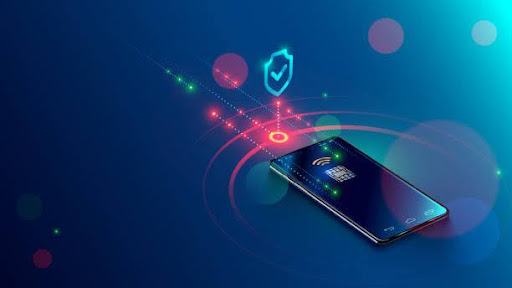
Over the past few years, mobile payment systems have transformed the way individuals and companies manage money. Whether it is day-to-day shopping at the local stores or cross-border trading, these systems have become an essential component of the world financial system. The ease of use, fastness, and safety they provide are changing the face of digital transactions in a manner that could not be imagined ten years ago.
We are still discussing the way mobile technology is transforming the financial world at Fintech Insights. We are going to explore in this article the extent to which mobile payment systems are transforming the digital payment landscape and what it implies to both consumers and businesses.
What are mobile payment systems?
Mobile payment systems are the technology and infrastructure that enables users to make payments with a mobile device, usually a smartphone or a tablet. These systems make use of numerous mobile payment options including Near Field Communication (NFC), QR codes, mobile wallets, and even biometric authorization.
A mobile payment tool is the easiest way to send money to a friend, purchase a coffee, or shop online, as the transaction is quick and easy. The emergence of smartphones and the growing internet penetration have also contributed to the spread of such technologies in the world.
Mobile Payment Wallet Systems Role
The mobile payment wallet system is one of the most popular systems of mobile payment solutions today. These digital wallets enable users to store payment details safely on their mobile phones and they do not need to carry physical credit or debit cards.
Among the most famous ones are:
- Apple Pay
- Google Pay
- Samsung Pay
- PayPal Mobile
- Alipay and WeChat Pay (Asian popular)
Such wallet systems are convenient and provide an additional level of security through biometric verification, tokenization, and encryption.
The Major Advantages of Mobile Payment Systems
1. Easy and Fast
Mobile payment systems are generally quicker than the conventional payment modes. The payment is made by a simple tap or scan, and this saves time to both the customers and merchants.
2. Enhanced Security
Most mobile payment tools have in-built security features including:
- Fingerprint or face recognition
- One-time passwords (OTPs)
- Tokenized transactions
These are very effective in minimizing the chances of fraud as opposed to the traditional payment systems.
3. Cost Efficiency
To businesses, the implementation of mobile payment solutions implies reduced overhead expenses. It does not depend so much on hardware such as card swipers or physical POS systems. Also, mobile payments minimize mistakes and enhance the accuracy of transactions.
4. Financial Inclusion
Mobile payments enable access to basic financial services in areas where the banking infrastructure is not well developed. This promotes financial inclusion and economic growth particularly in the developing world.
Effect on Businesses
Whether it is a small startup or a large company, businesses are using mobile payment wallet systems to enhance customer experience and streamline operations.
- Retailers are able to provide faster checkouts.
- E-commerce shops enjoy a better conversion rate.
- Transport services and restaurants have an easier flow of payments.
- Freelancers and gig workers earn more quickly and at reduced costs of transactions.
Transaction data also provides useful customer insights that mobile payments can provide to businesses to personalize offerings and marketing strategies.
International Trends in Mobile Payment Systems
By 2025, the world market of mobile payment systems is developing with unprecedented speed. The major trends that are influencing the industry are:
- Fraud detection with AI and Machine Learning integration
- Transparency and security of blockchain-based payment methods
- Smartwatches and rings are wearable payment technology.
- The emergence of contactless payments, particularly after the COVID era
A recent study conducted by Fintech Insights revealed that more than 65 percent of the digital consumers worldwide are now using mobile payment systems more than the traditional banking systems.
Issues to be overcome
Although mobile payment systems have their benefits, they do not come without difficulties:
- There is still a threat of cybersecurity.
- Adoption may be restricted by interoperability problems between platforms.
- Internet addiction renders such tools less effective in low connectivity regions.
Nevertheless, the current development of technology and regulatory systems are constantly trying to overcome these shortcomings.
Digital Transactions of the Future
In the future, mobile payment systems will have an even greater role in digital economy. As FinTech and other creative startups continue to grow, we can expect more intelligent, quicker, and more inclusive mobile payment options that will serve individuals and businesses.
Digital infrastructure is also being invested in by governments and financial institutions to facilitate mobile transactions. The merging of Central Bank Digital Currencies (CBDCs) and mobile applications might become the next major development in the financial sphere.
Conclusion
Mobile payment systems have turned out to be the backbone of the current digital transactions. They are changing how individuals transfer, consume, and control money-making payments more efficiently, safe, and available.
We at Fintech Insights feel that it is important to keep updated on the changing mobile payment tools and technologies both to the consumer and to the business. With these systems still developing, there is a chance to take advantage of their possibilities and open up new horizons of innovation and financial development.