
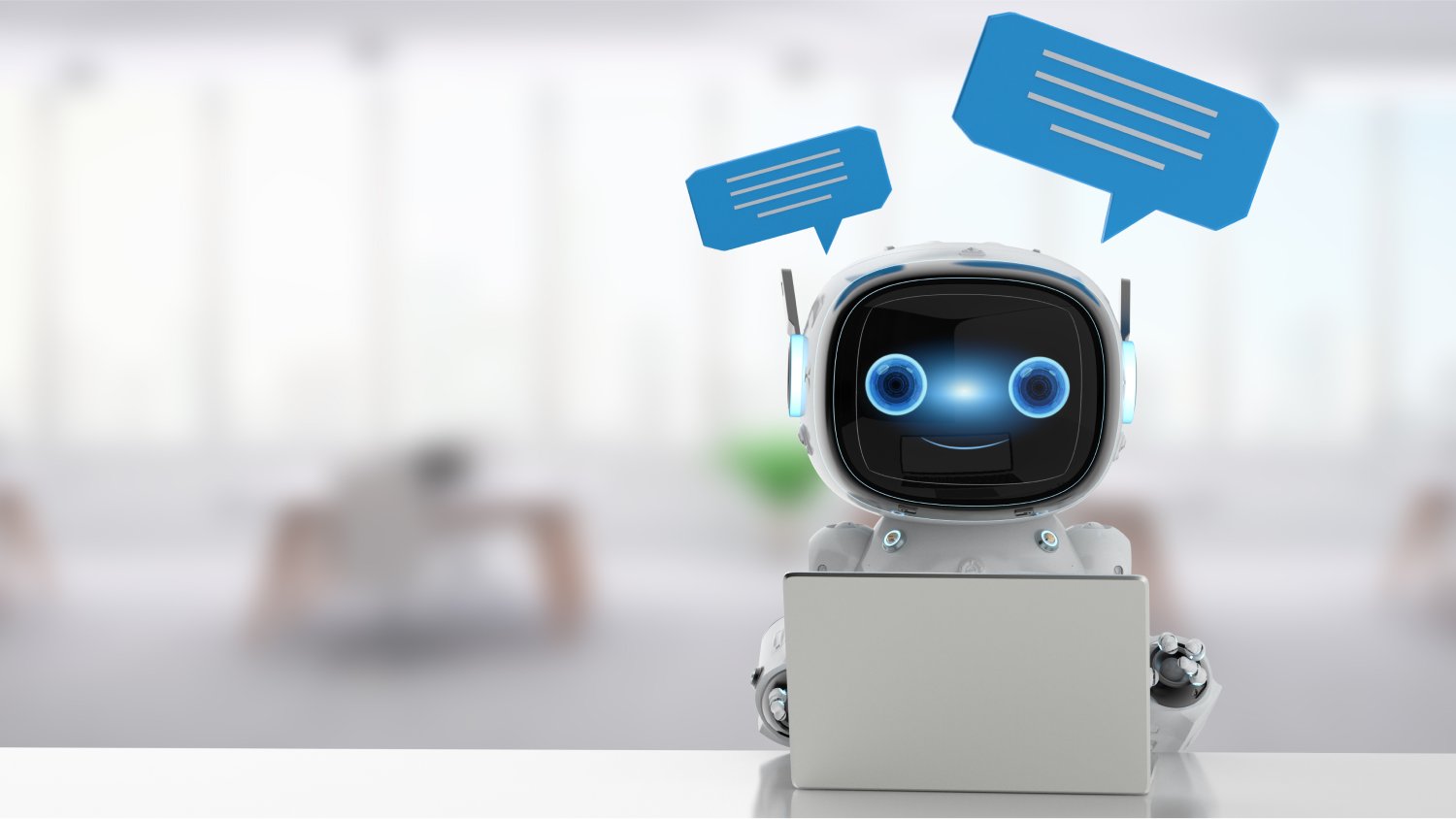
Struggling with social anxiety can feel like living in a constant state of self-doubt, second-guessing every word, every interaction. Traditional therapy offers powerful tools, but what if you had a supportive coach in your pocket, available 24/7?
Nearly 15 million American adults struggle with social anxiety disorder, yet 36% of those affected wait 10+ years before seeking help. During this waiting period, symptoms often worsen, significantly impacting quality of life. That’s where AI-enhanced daily coaching comes in.
Mental health challenges are rising across all age groups. From gentle nudges before a meeting to confidence-boosting feedback after a conversation, AI-driven coaching complements clinical treatment by reinforcing coping strategies in everyday life. It’s about enhancing it, helping individuals take small, consistent steps toward social confidence and emotional resilience.
Bridging the Gap Between Therapy Sessions with AI Coaching
The journey to overcome social anxiety often involves weekly therapy sessions. However, what happens during the challenging moments between appointments? This is where AI coaching creates a meaningful difference in social anxiety disorder treatment.
How AI Creates Continuous Support
AI coaching systems provide around-the-clock guidance and support when therapists aren’t available. Unlike a weekly 50-minute session, AI coaches can offer immediate assistance during anxiety-provoking situations like job interviews or social gatherings.
These digital companions use sophisticated algorithms to recognize patterns in your thoughts and behaviors, offering personalized feedback that reinforces techniques learned in therapy. The constant availability helps prevent regression between professional appointments.
Personalizing the Treatment Experience
Everyone’s experience with social anxiety differs. Some struggle with public speaking while others find one-on-one conversations terrifying.
AI coaching platforms excel at customization, adapting to your specific triggers and challenges. They collect data on your responses to different situations and fine-tune their approach accordingly. This level of personalization ensures you’re receiving relevant support for your unique form of anxiety.
It emphasizes Social Anxiety Disorder Treatment as a multi-layered approach, ranging from therapy (like CBT, exposure therapy, psychodynamic treatment) to holistic interventions such as yoga and art therapy, all available across inpatient, outpatient, and group settings. As these systems learn your patterns, they can anticipate potential challenges and provide preemptive support. This proactive approach helps prevent anxiety spirals before they begin.
The Science Behind AI-Enhanced Mental Health Support
AI coaching is built on solid psychological principles and cutting-edge technology. Understanding this foundation helps explain why these tools effectively complement traditional therapy.
Cognitive Behavioral Therapy in Your Pocket
Most AI coaching systems incorporate elements of cognitive behavioral therapy (CBT), a proven approach for social anxiety disorder treatment. CBT focuses on identifying and challenging negative thought patterns – a perfect process for AI to assist with.
AI can help you track thought distortions in real-time, prompting you to question catastrophic thinking during anxiety-producing moments. For example, before a social event, the AI might help you challenge thoughts like everyone will judge me with evidence-based counterarguments. These digital tools also excel at consistency – never forgetting to ask about a particular thought pattern or skipping a therapeutic technique. This reliability reinforces therapy principles daily.
Data-Driven Insights for Treatment Refinement
One remarkable advantage of AI coaching is its ability to collect and analyze vast amounts of data about your anxiety patterns. These systems can identify connections humans might miss – like linking anxiety spikes to particular locations, times of day, or even weather patterns. This information becomes invaluable for both you and your therapist in refining treatment approaches.
Many platforms also generate progress reports that can be shared with healthcare providers, creating a more comprehensive picture of your day-to-day experiences with anxiety.
The integration of daily coaching with professional care creates a powerful partnership for addressing social anxiety.
How AI and Therapists Work Together for Better Outcomes
The most effective anxiety management happens when human expertise and AI capabilities complement each other. This partnership creates a comprehensive support system.
Reinforcing Clinical Strategies in Daily Life
Therapists provide expert guidance and personalized strategies during sessions, while AI tools help implement these techniques consistently between appointments.
For instance, if your therapist teaches you breathing exercises to manage anxiety, your AI coach can remind you to practice these techniques daily and guide you through them during stressful moments. This reinforcement helps solidify these coping skills more quickly. The AI can also track your adherence to therapeutic recommendations, providing gentle reminders without judgment when you fall behind on practice.
Creating a Communication Bridge
AI coaching creates a valuable feedback loop between you and your therapist. Rather than relying on your memory of the past week during therapy sessions, your provider can review concrete data about your anxiety triggers and responses.
Many platforms allow you to flag particularly challenging moments for discussion in your next session. This helps focus therapy time on the most pressing issues rather than trying to recap an entire week. Some systems even identify patterns that might warrant adjusting your treatment plan, like recurring anxiety in specific situations that haven’t been addressed.
Key Features of Effective AI Coaching for Social Anxiety
Not all AI coaching tools are created equal. Understanding the most valuable features helps you choose platforms that truly support social anxiety disorder treatment.
Real-Time Intervention Capabilities
The most effective AI coaches provide in-the-moment support when anxiety strikes. These features can make a crucial difference during challenging social situations. Look for platforms offering guided breathing exercises, cognitive reframing prompts, and grounding techniques accessible with minimal input. The best systems activate these tools based on biometric signals (like increased heart rate) or user-reported anxiety levels.
Some advanced applications even use speech analysis to detect anxiety in your voice during conversations, offering subtle support without interrupting your social interaction.
Progress Tracking and Motivation
Overcoming social anxiety is a marathon, not a sprint. Effective AI coaching includes robust tracking features that help you visualize progress over time. The most motivating platforms celebrate small victories and provide encouragement during setbacks. They might highlight trends like You’ve managed three social events this month – that’s one more than last month! to reinforce positive changes.
Many also gamify the experience with achievement systems that reward consistent practice of anxiety management techniques, making the journey more engaging.
The Future of Integrated Treatment Approaches
The integration of AI into social anxiety disorder treatment continues to evolve rapidly, with exciting developments on the horizon.
Emerging Technologies Enhancing Treatment
Virtual and augmented reality technologies are increasingly being combined with AI coaching to create immersive exposure therapy experiences. These tools allow you to practice social interactions in realistic virtual environments with AI guidance.
Wearable technology integration is also advancing, with smartwatches and biosensors providing physiological data to AI coaches. This allows for more precise intervention based on physical anxiety symptoms before you’re even consciously aware of them. Voice assistant integration is making AI coaching more conversational and natural, reducing the friction of using these tools in daily life.
Balancing Technology and Human Connection
As AI capabilities grow, maintaining the human element in treatment remains crucial. The goal isn’t to replace therapists but to enhance their effectiveness. Future systems will likely focus more on facilitating connections between people rather than substituting for them. For example, AI might help identify appropriate social events based on your interests and anxiety level, then provide coaching before and during these real human interactions.
The most promising approach combines technological innovation with human wisdom – using AI for consistency and data while preserving the irreplaceable human connection of therapy.
Taking the First Step with AI-Enhanced Support
The journey toward managing social anxiety becomes more accessible with AI coaching as your daily companion. These tools provide consistent support between therapy sessions, offering personalized guidance precisely when you need it most.
By combining the human wisdom of therapists with the constant availability of AI, you create a comprehensive system that addresses social anxiety from multiple angles. This integrated approach offers promise for more effective, accessible treatment that fits into the reality of your daily life.
The future of social anxiety disorder treatment is the thoughtful combination of both, working together to help you navigate social situations with increasing confidence and comfort.
Your Questions About AI Coaching for Social Anxiety
Can AI really understand my unique anxiety experience?
Today’s AI systems don’t truly understand emotions as humans do, but they excel at recognizing patterns and providing appropriate responses. They learn your specific anxiety triggers and reactions over time, creating a personalized support system that becomes increasingly tailored to your needs.
Will AI coaching replace my therapist?
No, AI coaching complements therapy rather than replaces it. Think of AI as a practice partner between sessions, helping you implement what you learn from your therapist. The most successful outcomes happen when both work together as part of a comprehensive treatment approach.
Is my private information safe with AI coaching apps?
Privacy concerns are valid. Look for applications that clearly state their data protection policies, use encryption, and allow you to control what information is shared. Many reputable platforms offer anonymized data options and explicit control over what’s shared with healthcare providers.