
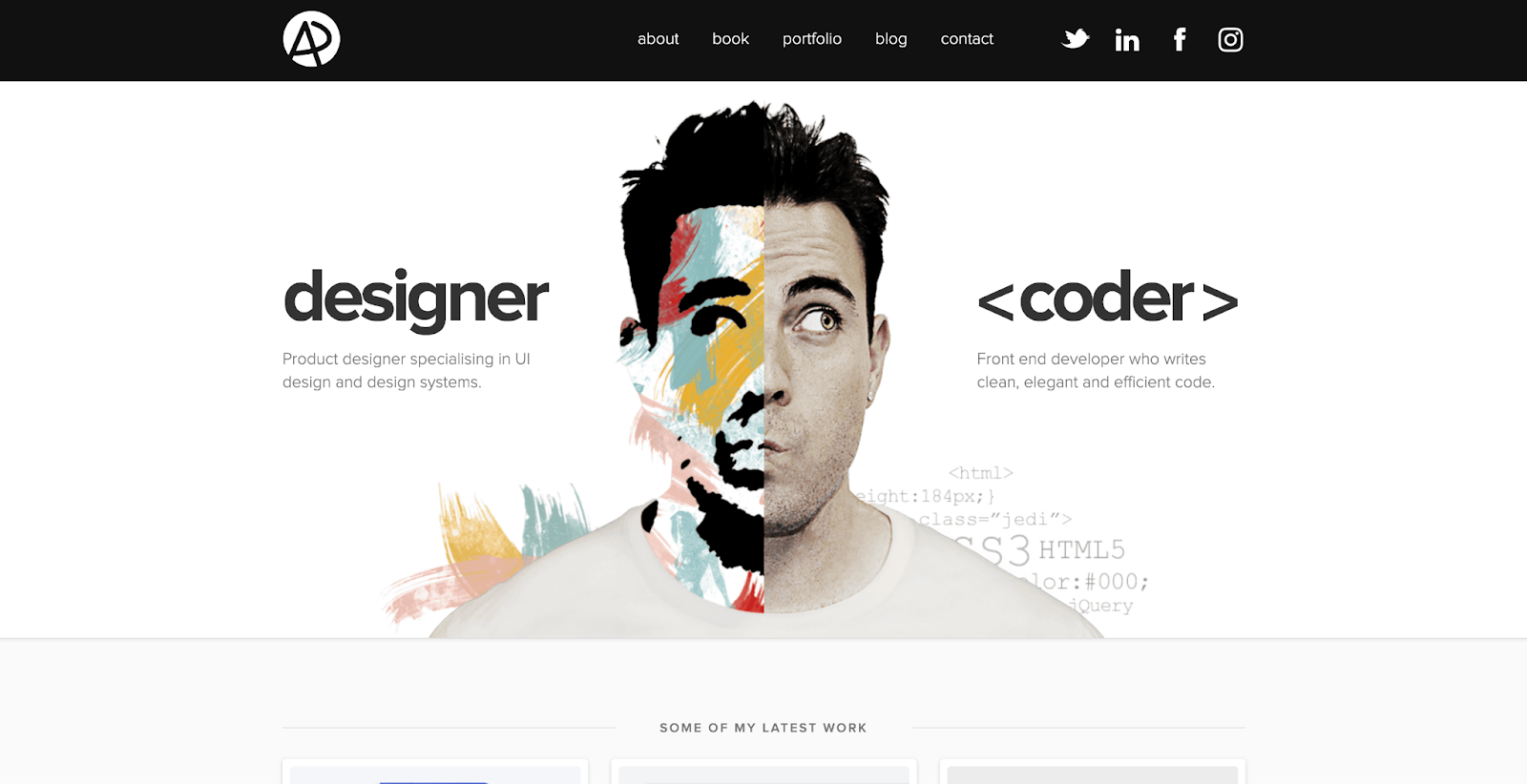
In a job market like today, where competition is getting even more intense, just having a traditional resume is not good enough to make you stand out. As a software developer, data scientist, designer, or digital marketer, your portfolio website is much more than a place to house your work, it’s your number 1 personal branding tool. It’s a nicely designed, professionally organised portfolio that will not only show off your talent but also help potential employers trust and believe in the work on their own projects. That is why the best in the business are now relying on the expert website development services when it comes to “shaping” themselves online.
A nicely optimised portfolio will bring you more visibility, help showcase your skills, and can even bring reputable recruiters knocking directly to your inbox. But how do you create one that actually gets you hired?
Let’s find out.
Why Your Portfolio Website Matters More Than Ever
Check Out Recruiters One thing is certain: Job hunters need to get used to being Googled. In a survey conducted by Forbes, nearly 93% of recruiters say they search a candidate’s online profile when considering them for a position. An impressive portfolio provides them with the evidence they need of your skills in a way a CV and cover letter may not. And for good reason, as studies show that 65% of hiring managers would prefer candidates who have their own website, but only 7% of job seekers actually have one. This is a window of opportunity; those who take the time to develop a futuristic, SEO-rich page will be cashing in on it.
But heed this warning: 51% of recruiters believe a bad website is worse than no website at all. Site speed, mobile friendliness, and navigation are not nice to have anymore, they’re musts.
According to a study by Google, 53% of mobile users will leave a webpage if it takes longer than three seconds to load. Slow sites have an average bounce rate of over 38%, those that load faster deliver better engagement rates and convert visitors.
Laying the Groundwork: Purpose and Target Audience
Define your purpose Before you go all technical, think about what you want your website to achieve. Are you reaching tech companies, digital agencies, or freelance customers? This clarity impacts everything from layout decisions to content organisation.
If you are providing niche services such as AI chatbot development or RPA services in India, make sure your portfolio connects with companies in need of such services. If you are an RPA agency, for instance, displaying example case studies of automatons you have created can lend credence to your expertise.
Components of a Hiring-Ready Portfolio Website
1) Powerful Homepage & Introduction
Remember that, homepage is your first impression and must be engaging— make it count. Let it be known who exactly you are, what you do, and what value you bring. Use headlines like:
“Specialist Custom Software Developer for RPA solutions & AI Chatbot Development.”
This, of course, includes the primary as well as secondary keywords such as website development services, RPA agency, software development, custom, etc.
- Project Galleries with Impact Data
Employers are not looking for projects, they are looking for results. Select 3-5 of your best projects, and present them according to the following structure:
- Solved problem: What was the challenge the client was facing or the problem the project addressed?
- Your Solution: What software development, RPA bot or AI chatbot was implemented?
- Results/Impact: What was it that you achieved? (e.g., “42% faster processing” or “5% more users returning”).
- Real metrics make what you’re doing real and not fake and untrustworthy.
- Technical SEO & Load Speed Optimisation.
The stats I’ve seen indicate that a 1-second delay can decrease conversions by 7%. To prevent this:
- Compress images (try WebP/AVIF).
- You can minify JavaScript/CSS files.
- Images and videos should use lazy-loading.
Also, remember to include keywords like website development services, AI chatbot development and software development custom in your meta titles, descriptions and alt text to enhance visibility.
- Code Documentation & Link to GitHub
If you’re in a technical role, include well-documented GitHub repositories. A clean, well-structured codebase is as important as the website.
- Have README files, with install instructions.
- Include examples of use, screenshots etc:
- Share a brief around the tech stack, problem statement and brief for the solutions.
It shows how you work and what you code like.
- Mobile Responsiveness and UX Design
With more than 60% of online traffic originating from mobile devices, having a responsive design is an absolute must. Think mobile-first and make certain buttons, fonts, and images look good on every device.
- The great user experience also means:
- Easy navigation menus.
- Clear CTAs (Call to Action) such as “Download Resume” or “Schedule a Call.”
- Sleek, professional design—don’t let it get bloated or cluttered up with too many animations.
- Service Offerings Section
If you’re a freelancer or a service team, like an RPA agency, include a “Services” section:
- Website Development Forms: Custom website design, maintenance, and optimisation.
- AI Chatbot Development: Creating smart bots for automated or customer support.
- RPA Services in India: Find Robotics Process Automation services for Banking, Healthcare and Logistics industry.
- Custom Software Development: Customised solutions developed on custom requests.
Not only does this educate visitors, but it also inserts relevant keywords directly into the site’s material.
8. Contact Page & Call to Action
Your website should provide a roadmap for prospective employers or clients to find you easily:
- Add a contact form for business inquiries.
- Include an email address and LinkedIn profile.
- Include a resume or brochure download.
- Performance Analytics & Ongoing Improvement– Measure and optimise sports academy productivity and continuously improve it
Set Up Tools So You Can Monitor Step 3: Download tools that give you access to the following: 1) Google Analytics + 2) Google Search Console :
- Visitor demographics.
- Time spent on pages.
- Bounce and exit rates.
Leverage this data to optimise content, repair poor-performing pages, and A/B test CTAs.
Common Mistakes to Avoid
Even the most talented developers and designers make mistakes in their portfolios. Avoid these:
- Over-designing: If animations or graphics are used in excess, recruiters can be turned off.
- Low documentation: Code and project pages that have no explanatory content are worthless.
- Ignoring mobile design: If your site looks busted on mobile, you’re out of luck.
- Unclear CTA: Don’t make visitors guess how to get in touch with you or view your work.
Final Thought
Consider your portfolio site as the link between you and your next job offer. When it’s done right, with website development services skills, it demonstrates your expertise, your authority, and your preparedness to add value. Without the right combination of an AI chatbot for business development, RPA services in India and solutions from an established RPA agency or custom software development background, you’re showcasing not only your technical prowess but also conveying your business impact.
These days, with digital job hiring, a good portfolio can help you reduce your hunt time, get more callbacks for interviews, and even help you land a freelance job globally. It’s not spending — it’s an investment in your career.
When you use strategies backed by these stats, your portfolio won’t be just impressive; it’ll make recruiters want to buy whatever you’re selling.