
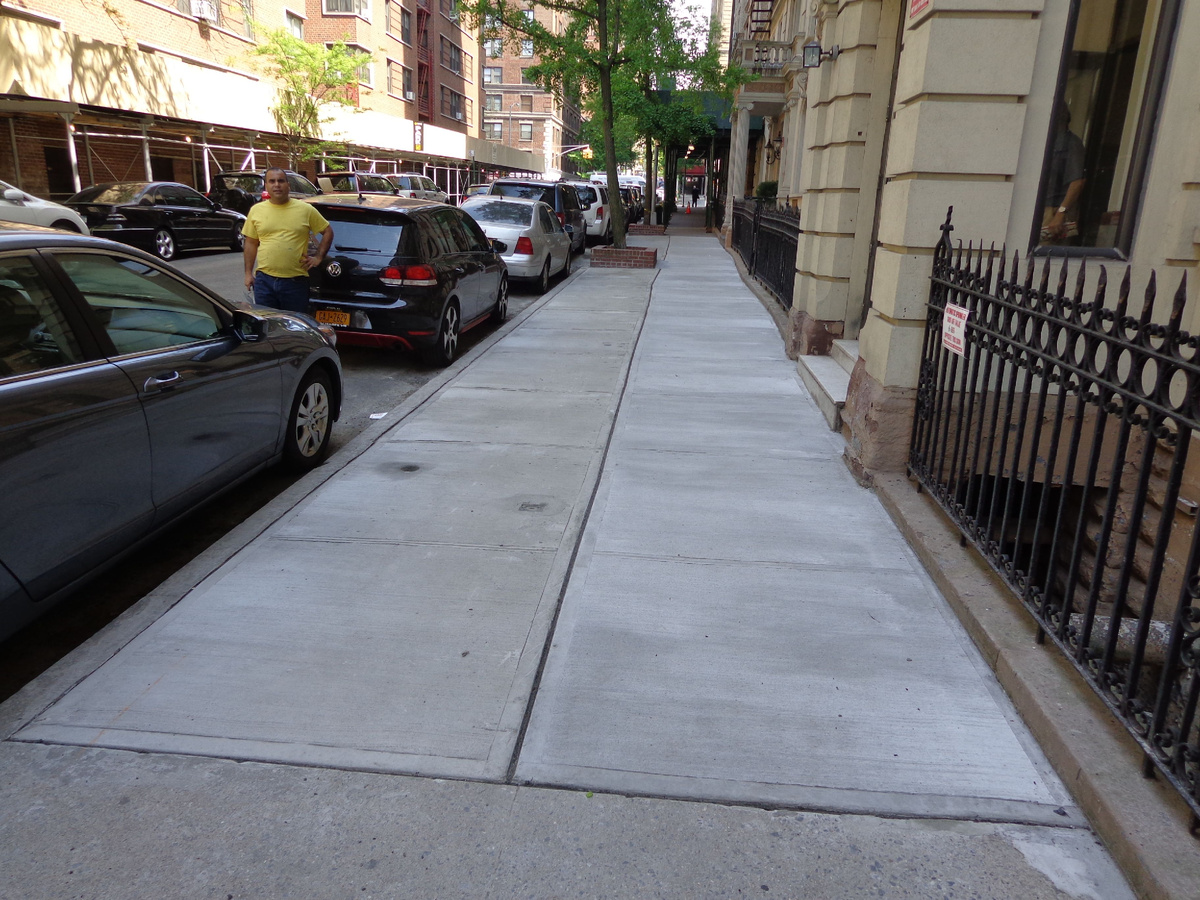
For assets proprietors in New York City, sidewalk violations can quick amplify from minor troubles into substantial monetary and prison burdens. Whether you’re buying, selling, or keeping a property, knowing a way to look for and address sidewalk violations is important. Fortunately, facts-pushed tools have made this procedure easier and greater efficient than ever before.
This article breaks down how to behavior an NYC sidewalk violation seek the usage of present day virtual sources, gives sensible suggestions for assets proprietors, and highlights not unusual mistakes to keep away from.
What Is a Sidewalk Violation in NYC?
A sidewalk violation is a criminal notice issued through the NYC Department of Transportation (DOT) when a property’s sidewalk is found to be faulty or dangerous. Common reasons encompass:
- Cracked or choppy surfaces
- Loose or missing tiles
- Tree root damage
- Improper slope or drainage
- Obstructions or ride hazards
Although the DOT does no longer nice assets owners for these violations without delay, the metropolis can restore the sidewalk and invoice the property owner thru a Special Assessment (lien) if the problem isn’t always resolved in a timely manner.
Why It Matters: The Real Impact on Property Owners
Even though a violation doesn’t bring an instantaneous economic penalty, it can:
- Delay property income and refinancing
- Show up in identify reports and inspections
- Lead to sudden repair fees
- Result in city-gotten smaller maintenance and a hefty bill
That’s why early detection and determination of these violations are crucial.
How to Conduct a Sidewalk Violation Search
1. Use NYC Open Data
The NYC Open Data Portal offers access to hundreds of datasets, along with DOT sidewalk violations. This platform permits users to go looking through cope with, borough, or block and lot numbers. Data-pushed insights like ancient violations, repair popularity, and grievance styles are available for deeper analysis.
Search Tip: Use keywords like “Sidewalk Violation,” “DOT Notices,” or “Curb Defect” inside the seek bar.
2. NYC Department of Buildings (DOB) BIS System
The Buildings Information System (BIS) suggests belongings profiles that regularly include sidewalk violation notices in the event that they’re related to allows, inspections, or complaint histories. You can seek via road cope with or borough/block/lot (BBL).
3. Property Shark & ACRIS
Tools like PropertyShark and NYC’s Automated City Register Information System (ACRIS) allow customers view criminal and economic records about a property, which include liens that may result from unresolved violations.
These platforms regularly contain more than one datasets, providing you with a clearer photo of all legal problems affecting a property.
Smart Tips for a Smooth Search Experience
Always double-check the BBL: NYC lots are frequently misindexed through address. Searching by means of Borough-Block-Lot guarantees accuracy.
- Combine equipment for full coverage: Use each BIS and Open Data for comprehensive consequences.
- Monitor tree-related sidewalk damage: Tree root problems might also contain NYC Parks Department, now not DOT. Cross-reference complaints.
- Use digital dashboards: Some nearby contractors and identify companies provide interactive dashboards powered through real-time facts to reveal property situations and violations.
- Schedule a professional sidewalk inspection: Before final a deal, have a contractor assess the sidewalk to assume any compliance troubles.
Common Mistakes to Avoid
Assuming no violation if no longer visible
Even if the sidewalk seems nice, a previous unresolved violation might nevertheless exist on report.
- Only searching via avenue cope with
NYC assets databases every so often mismatch addresses—BBL searches are extra dependable.
- Ignoring previous facts
Some equipment replace month-to-month or quarterly. Always test the “closing up to date” timestamp before counting on the facts.
- Failing to request a Violation Dismissal Letter
Even after repairs, a formal dismissal ought to be filed with DOT to clear the violation from the report.
- Not budgeting for possible city repairs
If the metropolis intervenes, they’ll fee significantly more than a personal contractor.
- Data-Driven Tools to Bookmark
Here are some vital structures every NYC property owner need to be familiar with:
Conclusion: Take Control with Data
In a city as complex as New York, records is your maximum effective best friend while coping with sidewalk violations. By the usage of records-driven equipment, staying proactive, and avoiding not unusual missteps, belongings proprietors can control sidewalk issues efficaciously—saving time, cash, and felony complications.
Whether you are a property owner, consumer, investor, or contractor, getting to know the sidewalk violation search manner is now not non-obligatory—it is a smart, essential step in protecting your real property property.