
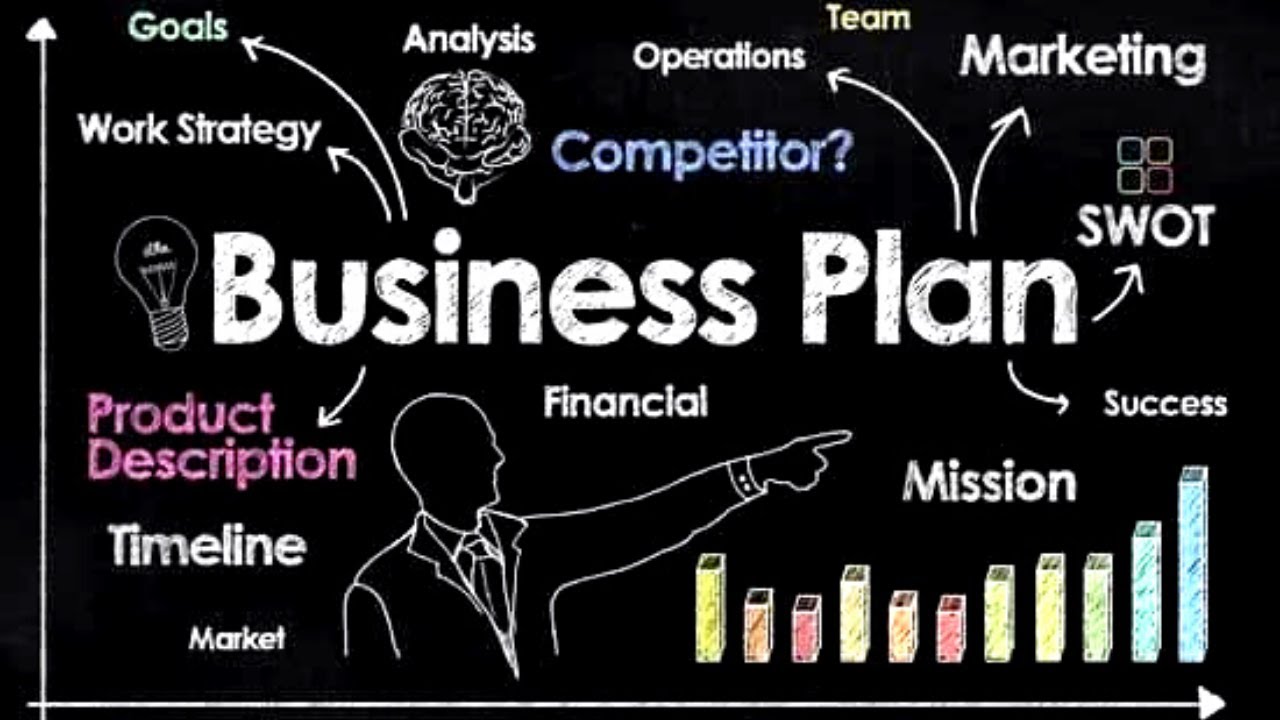
Traditional planning approaches often fall short. Businesses struggle with forecasting accuracy, time-consuming planning cycles, and data overload.
According to a recent McKinsey study, companies that leverage AI for business decisions see a 20% increase in forecasting accuracy compared to those using traditional methods.
This striking statistic highlights why more organizations are exploring AI solutions for their planning needs.
As competitive pressures mount and markets evolve at unprecedented rates, business leaders need planning tools that can keep pace with change while providing reliable insights for strategic decision-making.
The Current State of AI in Business Planning
The business planning landscape is undergoing a significant transformation as AI technology becomes more accessible and sophisticated. Before diving into specific applications, let’s examine the current adoption trends and real-world implementations.
Market Adoption Trends
AI business planning tools have seen rapid adoption across industries. Nearly 35% of small businesses now use some form of AI in their planning processes, with enterprise adoption rates even higher. This surge reflects growing recognition that traditional spreadsheet-based planning can’t handle today’s complex business environments.
Many business planning consultants now incorporate AI-powered tools into their client services, recognizing that AI’s analytical capabilities can dramatically improve both planning speed and accuracy. These professionals balance human expertise with AI insights to deliver more value to their clients.
Types of AI Technologies in Planning
Several AI technologies are reshaping how businesses approach planning. Machine learning algorithms analyze historical performance data to identify patterns and trends that humans might miss. Natural language processing converts unstructured data from various sources into actionable insights, while predictive analytics forecasts future scenarios based on multiple variables.
The most advanced AI business planning systems can digest massive datasets from both internal and external sources, removing data silos that traditionally hamper planning processes. These platforms provide a holistic view that allows for better-informed decisions.
Transformative Benefits of AI Business Planning
AI business planning offers significant advantages that extend far beyond simply automating manual tasks. These benefits directly address the limitations of traditional approaches while opening new possibilities for strategic thinking.
Data-Driven Decision Making
AI enables businesses to make decisions based on comprehensive data analysis rather than gut feelings or limited samples. By processing vast datasets from multiple sources, AI identifies correlations and insights that would be impossible to discover manually.
This data-centric approach means less reliance on assumptions and more confidence in planning outcomes. Business leaders can test theories against actual data before committing resources, reducing risks associated with major decisions.
Enhanced Forecasting Accuracy
One of the most valuable ways to improve business planning with AI is through enhanced forecasting. Traditional forecasting methods typically rely on historical data and relatively simple statistical models. AI forecasting incorporates far more variables and can adjust predictions as new information becomes available.
For example, AI for accurate business forecasting can simultaneously analyze customer behavior patterns, market trends, social media sentiment, and economic indicators to produce nuanced projections. This multi-dimensional analysis results in forecasts that are typically 30-40% more accurate than traditional methods.
Scenario Modeling at Scale
AI enables businesses to run multiple “what-if” scenarios simultaneously, testing various assumptions and strategies before implementation. This capability is particularly valuable during uncertain economic times or when entering new markets.
Rather than creating a single business plan, companies can develop several potential pathways with contingency plans for each. This flexibility allows organizations to adapt quickly to changing conditions instead of being locked into a rigid strategy that may no longer be relevant.
Reduced Planning Cycle Time
Traditional business planning often takes months of effort, by which time market conditions may have already changed. AI business planning dramatically reduces this cycle time from months to days or even hours for certain aspects of planning.
This efficiency doesn’t just save time—it fundamentally changes how often planning can occur. Instead of annual or quarterly planning cycles, businesses can adopt continuous planning approaches that constantly refine strategies based on real-time data.
Resource Optimization
AI excels at complex optimization problems that involve multiple constraints and objectives. When applied to business planning, this capability helps organizations allocate resources more efficiently across departments, projects, and initiatives.
Whether optimizing marketing spend across channels or determining the best distribution of manufacturing capacity, AI can identify non-obvious solutions that maximize returns while minimizing costs and risks.
How AI Improves Each Stage of the Planning Process
The benefits of AI in business planning extend throughout the entire planning lifecycle. Let’s examine how AI transforms each key stage of the process.
Market Research & Competitive Analysis
AI tools can gather and analyze vast amounts of competitive intelligence from public sources, including competitor websites, financial filings, social media, and news outlets. This information provides a comprehensive view of the competitive landscape that would be impossible to compile manually.
Natural language processing algorithms can identify sentiment trends around competitors’ products, revealing opportunities and threats. These insights help businesses position their offerings more effectively and identify unmet market needs.
Financial Forecasting & Budgeting
AI significantly enhances financial planning by incorporating more variables and detecting complex relationships between them. Revenue forecasts become more precise by analyzing factors like seasonal patterns, economic indicators, and competitive activities simultaneously.
On the expense side, AI identifies spending patterns and anomalies that might indicate inefficiencies. This detailed analysis allows for more accurate budgeting and resource allocation, reducing both overspending and missed investment opportunities.
Risk Assessment & Mitigation
AI excels at identifying potential risks by analyzing historical data and current market conditions. Machine learning algorithms can detect early warning signs that traditional risk management approaches might miss.
Beyond identification, AI helps quantify risks by modeling their potential impact under various scenarios. This quantitative approach allows businesses to prioritize mitigation efforts and allocate resources accordingly, focusing on the most significant threats.
Implementation & Performance Tracking
Once plans are in motion, AI continues to provide value through real-time performance monitoring. Dashboards powered by AI can track key performance indicators against targets, automatically flagging deviations that require attention.
This continuous monitoring allows businesses to implement course corrections quickly when plans aren’t delivering expected results. Rather than waiting for quarterly reviews, issues can be addressed immediately, preventing small problems from becoming major setbacks.
Addressing AI Business Planning Challenges
Despite its many benefits, implementing AI in business strategy comes with challenges that organizations must address proactively.
Data Quality Issues
The effectiveness of any AI planning system depends heavily on the quality of data it processes. Incomplete, inaccurate, or biased data will inevitably lead to flawed recommendations.
Organizations must invest in data governance frameworks and cleansing processes to ensure their AI systems work with reliable information. This may require significant effort initially but pays dividends through more accurate planning outcomes.
Integration With Existing Systems
Many businesses struggle to integrate AI planning tools with their existing technology infrastructure. Legacy systems often weren’t designed with AI integration in mind, creating technical hurdles.
Successful implementations typically take an incremental approach, starting with focused applications that deliver quick wins before expanding to more comprehensive integration. This phased strategy builds confidence while allowing time to address technical challenges.
Balancing AI and Human Judgment
Perhaps the most crucial challenge is finding the right balance between AI-driven insights and human judgment. While AI excels at analyzing data and identifying patterns, it lacks contextual understanding and creative thinking that humans bring to planning.
The most effective approach combines AI’s analytical power with human expertise and intuition. Humans should maintain final decision authority, using AI as a powerful advisory tool rather than an autonomous decision-maker.
Your AI Business Planning Roadmap
As you consider how to improve business planning with AI, developing a clear implementation roadmap is essential for success.
Assessing Your Planning Needs
Begin by identifying specific planning challenges your organization faces. Are forecasts consistently inaccurate? Does planning take too long? Are you struggling to incorporate market data effectively? Understanding your unique needs helps prioritize AI applications that deliver the greatest value.
Document your current planning processes in detail, noting pain points and inefficiencies. This assessment provides a baseline for measuring improvements after implementing AI solutions.
Selecting the Right Tools
The AI planning tool market is growing rapidly, with options ranging from specialized point solutions to comprehensive planning platforms. Your choice should align with your specific needs, technical capabilities, and budget constraints.
Consider starting with targeted applications addressing your most pressing planning challenges before expanding to more comprehensive solutions. This phased approach reduces implementation risks while building organizational confidence in AI planning.
Measuring Success
Establish clear metrics to evaluate your AI planning implementation. Beyond obvious measures like planning cycle time reduction, consider metrics like forecast accuracy improvement, resource utilization rates, and business outcomes resulting from better planning.
Regular reviews against these metrics help justify continued investment while identifying areas for further improvement. Success stories should be shared widely to build organizational support for expanded AI planning initiatives.
FAQs
How does AI actually improve forecast accuracy?
AI analyzes vastly more data points than traditional methods, identifying subtle patterns and relationships. It continuously learns from new information, reducing forecast errors through constant refinement of its predictive models and eliminating human biases that often impact manual forecasting.
What skills do planning teams need in an AI-driven environment?
While technical understanding is helpful, business context and critical thinking remain most important. Teams need to know what questions to ask, how to interpret AI outputs, and when to apply human judgment to override algorithmic recommendations based on contextual factors.
How long does it typically take to implement AI planning tools?
Implementation timelines vary widely based on complexity and integration requirements. Simple, focused applications might be operational within weeks, while comprehensive planning transformations typically take 6-12 months to fully deploy and optimize across an organization.
The Future of AI-Powered Business Planning
The evolution of AI business planning is just beginning. As technology advances, we’ll see even more sophisticated capabilities emerge that further transform how organizations approach planning and decision-making.
Generative AI will soon allow planners to describe business scenarios conversationally and receive complete planning frameworks in response. Autonomous planning systems will continuously monitor business conditions and suggest strategy adjustments without human prompting, though final decisions will remain with human leaders.