
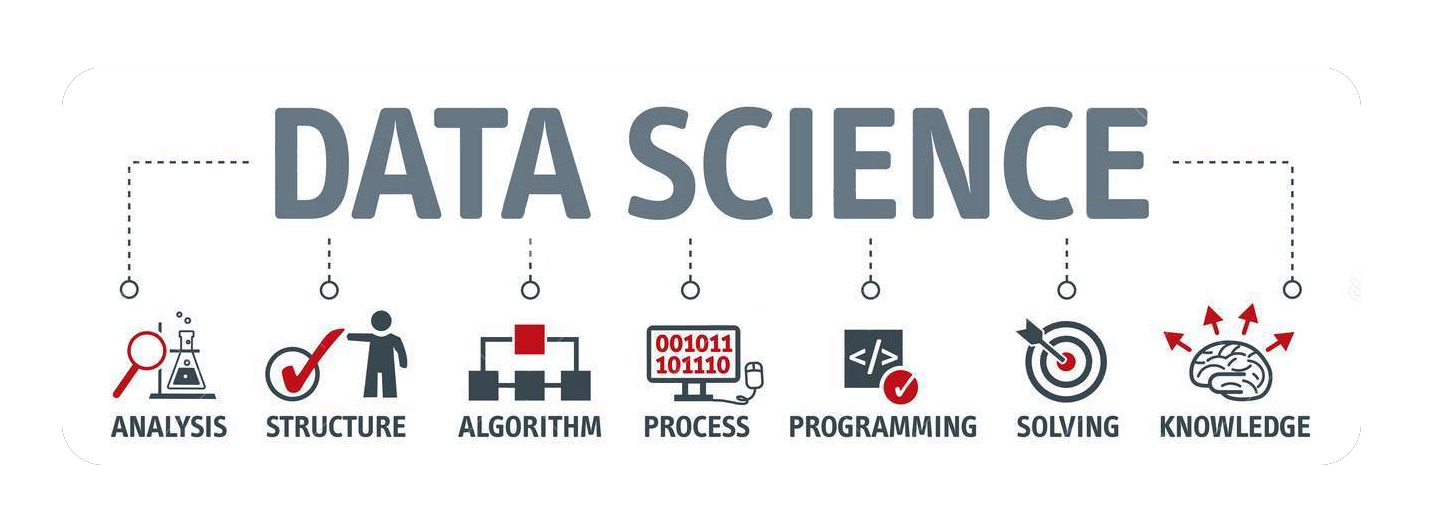
In today’s data-centric economy, data science is becoming the core underlying factor of power and influence in any business across all industries. With everything from health care to finance, and retail to tech increasingly driven by data, businesses are demanding more of workers in data science who can translate raw data into actionable information. But not all data science programs are made the same. There are hundreds of courses, bootcamps and degrees on offer, and finding the right one for your career goals can be daunting.
Especially, when you are making a career change, upskilling or specialising in AI, analytics or other upskilling paths like cybersecurity, the choice of course can make or mar your career path. In this article, we’ll guide you through how to evaluate and select the best data science program for you, and explain how data science and other fields such as a data science certification course can complement or support your career decisions.
Data Science Is Still a Top Career Choice in 2025
Before we delve into how to choose a program, let’s take a quick look at why data science is all the rage right now:
High demand across sectors: There’s a growing need for data scientists in essentially every industry, from finance to healthcare.
Great earning potential: The average data scientist salary being more than $120,000 in the U.S. forCellsource: Glassdoor.
Remote and global opportunities: Since businesses are hiring for all sorts of data talent worldwide, data is a more flexible career path.
Stepping stone to other tech jobs: Data science can provide a base for jobs in machine learning, AI, and cybersecurity.
Define What You Want in a Career
But the first step toward selecting a data science program is knowing what you’re looking for in your career. Ask yourself:
Do I have a preference for a particular industry (eg: healthcare, finance, e-commerce)?
Do I enjoy technical roles (like machine learning engineer) or strategic roles (like data analyst)?
Do I hope to gradually transition to adjacent categories, like cybersecurity, AI, or product analytics?
Knowing your goals can help you filter programs that match what you want. For example, if you are interested in positions that intersect with data security, a cyber security certificate might be a good match for a data science program.
Choose the Learning Style Type
Courses can be taken in different formats:
University Degree Programs
Pros: Strong curriculum, credible program and teachers and resources present.
Cons: Costly, time-consuming (2-4 years)
Bootcamps
Pros: Quick, practical thoughts for a job-changer
Cons: May lack theoretical depth, varies in quality by provider
Online Courses (MOOCs)
Pros: Flexible, inexpensive, self-paced
Cons: Needs self-discipline, not very interactive, might not include career support
If you’re already in the working world and looking to make a pivot (or just add skills), a short-term bootcamp or online certification could be the right option. But for those targeting senior or academic positions, a master’s degree might be the answer.
Consider the Curriculum
A good structured approach of the data science course should encompass:
Statistics and Math: Must for analysis and model creation ofcourse
Languages: Highly proficient in Python or R
Data Wrangling / Visualization skills: Pandas, Tableau, Power BI etc.
Machine Learning and Deep Learning: Prediction Modeling Algorithms
Big Data Technologies: Hadoop, Spark, cloud computing platforms awareness
Real-life Projects : Work on real time projects.
And if you’re aiming at cybersecurity as a concurrent focus area, ensure that the program encompasses data governance, privacy and security—areas that are significant overlaps with material you will find in a well-structured cyber security course.
Think About Specializations
Data science is a vast field. Specialization can be an advantage, particularly if you are interested in a niche industry or role. Typical Areas of Specialization Are:
NLP (Natural Language Processing)
Computer Vision
Business Analytics
Financial Modeling
Cybersecurity Data Analytics
In reality, quite a few professionals are working to be both data scientists and security professionals (which some are calling “cybersecurity analytics”). A cyber security certification helps to address this focus.
Faculty and Industry connections
Be sure your school has relationships with industry and a network which will help you get an internship at an established company.
The caliber of the faculty and industry ties can have a huge impact on what you will learn and the type of job you will get. Look for:
Instructors with professional data science or cybersecurity backgrounds
Mentors or career coaches
Tech company or job placement partnerships
If a job is your aim, don’t disregard instructors with active field work or consulting experience in an industry that interests you.
Job Assistance and Career Services
One of the main benefits of paid courses is the availability of career support—bootcamps in particular, offer things like:
Resume and LinkedIn Profile Optimization Career targeting – we want to make sure you get noticed by the right people.
Mock interviews and coding challenges
Job placement assistance
Meetups and hack nights
Career services – Programs that offer help with finding a job can greatly improve your odds of being able to land your first job. You may want to walk on two lanes, stepping foot in a data science course as well as a cyber security course to increase your career opportunities and make yourself more employable.
Cost and ROI
The cost of data science programs can range from a few hundred dollars to tens of thousands. It’s essential to evaluate:
Cost of Tuition vs Projected Increase in Salary
No cost scholarships, funding, or income share agreements
Program length (bootcamp vs master’s degree)
Bootcamps and online certifications can offer strong ROI for people trying to change career paths or upskill fast. As many professionals seeking growth invest in data science and security certifications, strategically plan both when and how much you’ll pay.
Alumni Reviews and Reputation
Before you sign up to anything, investigate:
Reviews From alumniEmployment Focus
Mentions Online (e.g. Course Report, SwitchUp, Reddit)
Ranked programmes and links to industry
Consider reaching out to graduates on LinkedIn for candid reactions. A program that helps to cultivate top alumni who go on to work at companies like Google, Microsoft, or IBM is often a strong indicator.
The Right Hand to Data Science: Cybersecurity
Now you may be asking about why are we talking about cybersecurity in a guide about data science. Here’s why:
As data becomes more valuable, its security is a mounting concern. Both data analysis and data protection are nowadays required in many roles. Hybrid roles such as cybersecurity data analyst, security data scientist are gaining momentum. How an added cyber security certification to your profile will help you become an attractive profile to the rising jobs of today.
Furthermore, cybersecurity skills are increasingly important for data-science positions that involve:
Sensitive data (e.g., healthcare, financial, government)
Compliance and regulatory (e.g., GDPR, HIPAA)
Risk assessment and threat detection
Enrolling in a short cyber security course can give you the basics around network security, cryptography and ethical hacking — skills that can set you apart as a data professional.
Last Thoughts on Choosing Which is the Best
The best data science courses for you, as I’ve said before, is a function of what your goals, budget, background, and constraints are. Here’s a handy checklist to help with this decision-making:
-
Define your career goals
-
Which format is the best (degree, bootcamp, or online)
-
Review of the curriculum and specializations
-
Check for employment services
-
Look at instructor backgrounds and results of alumni
-
Explore how to incorporate cybersecurity capabilities via a cyber security course
-
Consider the cost versus benefit of the investment
By adhering to this roadmap, you will be in a better position to make an informed decision that is in sync with your career goals in data science and beyond.