
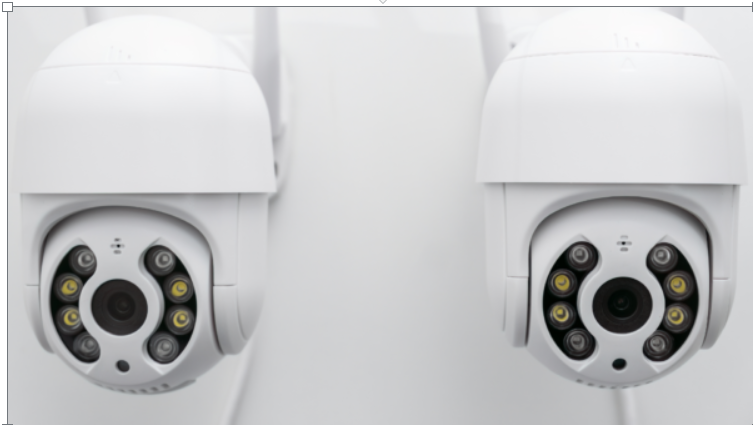
Surveillance cameras have come a long way from simply recording footage. Today, artificial intelligence (AI) is making them smarter, faster, and far more useful. With AI, cameras can now recognize faces, detect unusual activity, and even alert you in real time, without anyone watching the screen. This means better safety, quicker responses, and less need for manual monitoring. Whether it’s for a home, office, or public space, AI is changing how we use surveillance technology.
In this blog, we’ll explore how AI is boosting the power of surveillance cameras and why it’s becoming a must-have for modern security systems.
The Evolution of Surveillance Technology
The journey from simple CCTV systems to today’s intelligent surveillance networks represents one of the most significant technological leaps in security. This evolution has transformed how we monitor and protect our environments.
The Limitations of Traditional Surveillance Systems
Traditional surveillance setups relied heavily on human monitoring, creating inevitable blind spots. Security personnel could only watch a limited number of screens, and fatigue often led to missed events. These systems generated mountains of footage that were rarely reviewed unless an incident had already occurred.
Integration of AI in Modern Security Solutions
AI integration has fundamentally changed the surveillance game. Modern hd surveillance cameras incorporate sophisticated algorithms that can analyze video feeds in real-time, distinguishing between normal activities and potential threats. These systems learn continuously, becoming more accurate over time at identifying suspicious behavior patterns.
The Growing Market for Intelligent Surveillance
Market statistics reveal a massive shift toward AI-powered security. Organizations across sectors, from retail to healthcare to public infrastructure, are investing heavily in these technologies to enhance protection while reducing operational costs. The return on investment is compelling when considering the reduction in security incidents and false alarms.
The transformation from passive recording to proactive security represents a fundamental shift in how we approach surveillance, with AI catalyzing this evolution.
Understanding AI-Powered Surveillance Technology
AI surveillance technology combines traditional camera hardware with sophisticated software algorithms that mimic human analytical capabilities, but with greater consistency and without fatigue.
The Fundamental Difference Between Traditional and AI-Enhanced CCTV Camera Systems
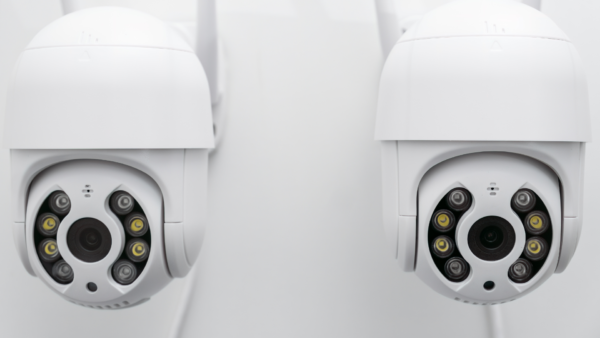
Traditional cctv camera systems simply record footage for later review. In contrast, AI-enhanced systems actively monitor and analyze what they’re seeing in real-time. When a traditional system detects motion, it merely records or triggers an alert without understanding what caused the motion. AI systems can identify exactly what triggered the alert, whether it’s a person, animal, vehicle, or just branches swaying in the wind.
Core AI Technologies Revolutionizing Surveillance
The intelligence behind modern surveillance comes from several key technologies working together:
Computer Vision and Deep Learning Algorithms
Computer vision allows cameras to “see” and interpret visual data similar to how humans do. Deep learning algorithms train these systems to recognize objects, people, and behaviors with increasing accuracy over time.
Machine Learning and Pattern Recognition
These technologies enable systems to identify normal patterns and flag anomalies. For instance, a person lingering in a restricted area or an unusual gathering in a typically quiet location might trigger alerts.
Edge Computing vs Cloud-Based Processing
AI processing can happen either on the device itself (edge computing) or in remote data centers (cloud processing). Edge computing provides faster response times for critical security applications, while cloud processing offers greater analytical power for complex scenarios.
The combination of these technologies creates surveillance systems that don’t just watch, they understand and react to what they’re seeing.
Transformative AI Features in Modern CCTV Systems
Today’s AI-powered CCTV system capabilities extend far beyond basic monitoring, offering features that would have seemed like science fiction just a decade ago.
Advanced Motion Detection and False Alarm Reduction
Smart algorithms can distinguish between relevant movement (like a person climbing over a fence) and irrelevant activity (like rain or animals). This dramatically reduces false alarms by up to 95% in some cases, allowing security teams to focus on genuine threats.
Real-Time Object Recognition and Classification
Modern cctv camera technology can instantly identify and classify objects appearing in the frame. The system knows the difference between a delivery person, a customer, or a potential intruder, enabling appropriate responses to each scenario.
Behavioral Analysis and Anomaly Detection
AI surveillance can establish patterns of “normal” behavior for a given environment and flag deviations. This might include unusual loitering, erratic movements, or accessing areas at unusual times.
Predictive Analytics and Threat Anticipation
Perhaps most impressively, advanced systems can predict potential security issues before they fully develop. By analyzing historical data and recognizing the early stages of problematic situations, these systems help security teams intervene proactively.
These capabilities transform security from reactive to proactive, creating safer environments through intelligent monitoring rather than simply recording evidence after an incident occurs.
Real-World Applications of AI in CCTV Camera Systems
The practical applications of AI surveillance span virtually every sector, each benefiting from customized implementations of this powerful technology.
Enhanced Home Security Camera Systems for Residential Protection
Home security camera system installations have evolved dramatically with AI integration. These systems can distinguish between family members, guests, and unknown visitors, even recognizing delivery personnel versus potential intruders. CCTV cameras for home use now offer features previously available only in commercial systems, including customized alerts when children arrive home or when unexpected activity occurs.
Retail Applications: Theft Prevention and Customer Analytics
In retail environments, AI surveillance serves dual purposes, security and business intelligence. While monitoring for shoplifting and suspicious behavior, these systems can also analyze customer flow patterns, identify high-interest products, and help optimize store layouts.
Smart City Implementations and Public Safety
Cities are deploying intelligent surveillance cameras to monitor traffic patterns, detect accidents in real-time, and identify public safety concerns. These systems help direct emergency response resources more efficiently while providing valuable data for urban planning.
Critical Infrastructure Protection
Power plants, water treatment facilities, and transportation hubs use AI surveillance to protect essential infrastructure. These systems continuously monitor restricted areas, detecting unauthorized access and potential threats to these critical facilities.
The versatility of AI surveillance makes it adaptable to virtually any security scenario, from private homes to massive public spaces.
The Technical Architecture of AI-Powered Surveillance
Understanding the technical foundation of AI surveillance systems helps explain their remarkable capabilities and continued evolution.
Hardware Components of Intelligent Surveillance Cameras
Modern intelligent surveillance cameras integrate powerful processors, high-resolution sensors, and specialized hardware acceleration for AI tasks. These physical components enable the capture and initial processing of visual data before any analysis occurs.
Processing Requirements and System Architecture
AI surveillance demands significant computational resources. The system architecture must balance real-time performance with analytical depth, often using a combination of on-device processing for immediate alerts and cloud-based analysis for more complex pattern recognition.
Integration with Existing CCTV Systems and Infrastructure
Many organizations want to enhance existing security investments rather than replace them entirely. Fortunately, AI capabilities can often be added to conventional CCTV camera system setups through software updates and add-on processing modules, extending the lifespan and capabilities of current hardware.
Edge AI vs Cloud Processing Models
This critical architectural decision impacts system responsiveness, privacy, and cost. Edge processing keeps data local and reduces latency for critical alerts, while cloud processing enables more sophisticated analysis and centralized management of multiple locations.
The technical architecture continues to evolve, with each generation offering greater capabilities while requiring less power and physical space.
Remote Security Monitoring Enhanced by AI
AI has transformed the possibilities for monitoring security feeds from distant locations, creating new paradigms for security management.
How AI Transforms Live Video Monitoring Capabilities
Live video monitoring has been revolutionized by AI’s ability to filter and prioritize information. Instead of watching dozens of feeds simultaneously, security personnel can focus on screens where the AI has detected potential issues, dramatically improving their effectiveness.
24/7 Real-Time Surveillance with Reduced Human Intervention
AI systems never sleep, maintaining consistent vigilance without the fatigue that affects human monitors. This enables truly continuous protection with minimal staffing, reducing costs while improving security coverage.
The Role of Monitoring Centers and Human Operators
Human judgment remains essential for remote security monitoring, but the partnership with AI allows personnel to focus on decision-making rather than endless watching. When AI flags a potential issue, trained operators evaluate the situation and determine the appropriate response.
Automated Incident Response and Escalation Protocols
When threats are detected, AI systems can automatically initiate graduated response protocols, from simply logging minor issues to triggering immediate alerts for serious security breaches. This ensures consistent handling of incidents regardless of who’s on duty.
The combination of artificial intelligence and human expertise creates a security monitoring approach that’s both more effective and more efficient than either could achieve independently.
The Future of Smarter, Safer Surveillance
AI is not just improving surveillance, it’s redefining it. By turning basic cameras into smart security tools, businesses, cities, and homeowners can respond faster, reduce false alarms, and stay ahead of potential threats. From real-time alerts to predictive analytics, AI adds a powerful layer of intelligence that traditional systems simply can’t match.
Whether you’re protecting a small home or a large facility, AI-powered surveillance brings greater peace of mind and better control. As this technology continues to evolve, the question isn’t whether to adopt it, it’s how soon you’ll start using it to strengthen your security.
FAQs on AI-Enhanced Surveillance Cameras
-
How is AI making an impact on the surveillance world?
AI enhances security systems by improving threat detection, analyzing large datasets, and identifying patterns in real-time. It powers advanced surveillance cameras that can recognize faces and detect abnormal behaviors, automatically alerting security personnel.
-
How is AI used in security cameras?
AI security cameras are advanced video monitoring devices that utilize artificial intelligence to enhance security and improve visibility. These AI camera systems analyze video footage in real-time, detecting and identifying potential threats like unauthorized entry or suspicious behavior.
-
What are the benefits of AI video surveillance?
Traditional CCTV systems primarily record footage for later review. AI surveillance adds a layer of intelligence, enabling real-time analysis, anomaly detection, and proactive alerts. This translates into faster incident response and enhanced overall security.