
Customer churn is a real headache for SaaS companies. Even if your product is innovative, high-quality, and solves real problems, it does not guarantee that users will stay. Each time a customer leaves, the cost of acquiring new ones increases, and as churn increases, it becomes more difficult to maintain sustainable growth and expand your customer base.
Losing a customer is not just one user leaving. It is lost revenue, additional marketing costs, and sometimes even damages your reputation. But what if you could not only retain your customers, but also turn them into true fans of your product? Personalization is where the real power lies. No one wants to be “one of many” — users want to feel that the product is tailored specifically to their needs and preferences. And when they feel that the service “speaks” to them in the same language, they do not just stay — they become its advocates, recommending it to friends and colleagues.
In this article, you will learn why personalization is important and how it can reduce churn in saas subscriptions.
What is SaaS?
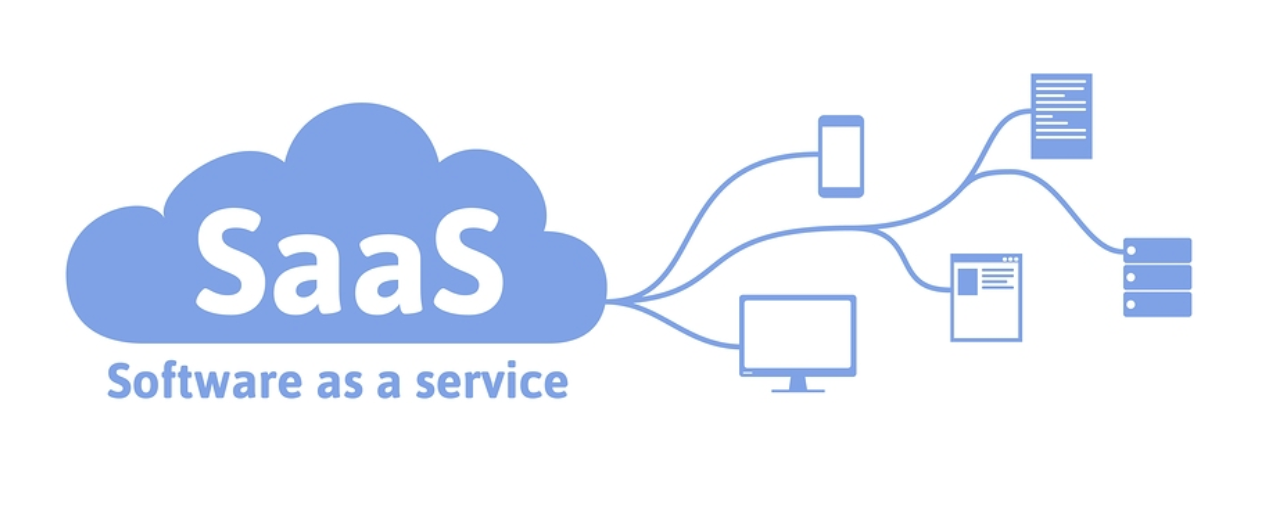
SaaS, or software as a service, is a model where you access a software product via email or cloud file storage without purchasing or installing it on your computer.
To use such an application, you pay a subscription fee, usually monthly or annually. The application’s developers, or SaaS providers, are responsible for its functionality, updates, security, and support.
What is Churn, and Why is it Important?
The SaaS customer churn rate shows how quickly users cancel their subscription to the service over a certain period.
How do you know if a customer has left? It all depends on your business. To do this, you need to evaluate information about your customers. Usually, SaaS monetization is based on a subscription model, so it’s easy to calculate: the user did not renew the subscription, meaning they left.
The outflow for a certain period is calculated using the following formula:
Churn Rate (period) = Customers Lost (Period) / Total Customers (Period)
This is usually easier to formulate than to calculate. The following formula can help: lost customers are expressed as the difference between the number of users for this period and the number of users for the previous period, taking into account new users.
Customers Lost (This Period) = Total Customers (Last Period) + New Customers (This Period) – Total Customers (This Period)
Example: You had 500 clients last quarter and 525 this quarter. 30 of them are new users. You need to calculate the number of users who left according to the formula above:
500 + 30 – 525 = 5
Despite the subscriber base, 5 users still left. Analysts often pay a lot of attention to growth figures, so they cannot estimate the churn rate, which is possible even during development.
Returning to our example, we calculate the churn rate per quarter:
Churn Rate (This Quarter) = 5 / 500 = 1%
What is Personalization in SaaS?
Personalization in SaaS is a way to make each customer feel like the product was created especially for them. Shania Branson, a financial expert at 15M Finance, emphasizes that through personalization, they managed to make the service “know” the user’s needs and adapt the experience, selecting important features and offering useful recommendations. This is personalization.
For example, a service can show step-by-step tips to a beginner to get used to it faster, remove all unnecessary things, and give an experienced user access to the necessary tools in one click. This saves time and makes using the product enjoyable.
But personalization is not only about the interface. It is also about the ability to offer the right things at the right time. For example, if a client uses one part of the service, the system can suggest using other functions to make their work even more efficient.
Another important point is dividing users into groups. Small companies need simple solutions, and large businesses need detailed analytics and advanced capabilities. Personalization helps to offer exactly what is relevant to a particular client.
Personalization plays a role in communication. Imagine receiving an email with your name describing how you can improve your results based on your data. It’s much nicer than a generic email that anyone could send.
Why is this so important? Because customers who see that they are cared about will not want to leave. They feel that the service solves their problems, and they stay subscribed. The main benefit of personalization is that it helps retain users and make them more loyal, ultimately bringing more profit to the company.
Personalized Strategies to Reduce Churn
Personalization increases customer loyalty, which means they are less likely to churn. Here are a few strategies that will make your product more effective for each user:
Individual User Interfaces
Not all users find certain functions equally useful. To solve this problem, a personalized interface is worth implementing. This interface will allow you to hide or show functions depending on your needs. For example, a service can immediately show beginners step-by-step instructions to make it easier for them to understand the service. For an experienced user, the “hide all unnecessary” function will be relevant. If the interface is tailored to a specific person, the chances that they will stay and use the service increase significantly.
Personalized Training at the Start
Newbies need time to understand how to use the product effectively. To avoid boring training, show them the features they will use first. If the service is teamwork, offer a training video on creating projects rather than general principles of working with the product.
Triggered Emails
If a customer has stopped using the product, send him an email with personalized recommendations. For example, if he hasn’t customized some important feature, remind him about it. Or if he missed updates, tell him about new features that might be useful. Such a letter can encourage the customer to come back and start using the product again.
Product Recommendations
When customers are actively using one set of features, offer them the opportunity to try something new that might be useful to them. For example, if they only use the basic features of your CRM system, offer them a small discount to try analytics or automation. This will help you sell more expensive plans and improve the user experience.
Usage-Based Tailored Offers
When clients only partially use your service, offer them additional features to simplify and improve their work. For example, if a customer actively uses only the calendar in your CRM system, offer them additional tools for automating tasks or reporting to save time.
Retargeting and Abandoned Account Recovery
It is worth returning users who started the registration process but never finished it. To encourage them to finish, remind them about your product’s benefits and give them discounts or bonuses. Also, remember customers who haven’t logged in for a few weeks and yourself with an individual offer.
Flexible Tariffs for Each Client
Not every user needs a full features package. If your product is elaborate and multi-responsive, allow customers to customize their tariff for their needs and requirements. If someone uses only several major features, grant him a cheaper plan that will include certain restrictions with the tool needed.
Gamification and Personalized Rewards
Gamification in the product: bonuses for active use or some results. The clients will be eager to use this service more often to “win” the bonus and feel appreciated.
Responding to Customer Feedback
Every complaint should be noticed, and a solution should be offered. For example, if a user complains about complicated interface settings, you can show him how to simplify them. This way, he will feel you care about him and are ready to make the product more convenient.
Step-by-Step Plan to Implement Personalization in SaaS?
Personalization is a way to make a product indispensable to users. Implementing such a strategy requires a conscious approach. Here’s how to do it step by step.
1. Define Personalization Goals
Personalization should solve specific problems in your business. If you want to reduce churn, consider why customers leave: a complex interface, a lack of relevant features, or a lack of support. If you want to increase sales, promote additional services, or upgrade to more expensive plans. For example, Netflix uses personalization to retain users by suggesting movies based on their previous viewing. This focus makes the service convenient and in demand.
2. Collect User Data
Data is the foundation of personalization. Start simple: collect information about registration, activity in the product, and frequency of use of key features. For example, if users often access a collaboration feature, this is a signal to make it more accessible. Use analytics tools like Mixpanel, Amplitude, or your platform’s built-in dashboards to understand user behavior more deeply.
3. Segment Your Audience
Divide your customers into groups based on their behavior and needs. For example, you can identify:
-
New users who are just getting to know the product.
-
Active users who regularly interact with key features.
-
Customers who haven’t logged in for a while are at risk of churning.
This approach helps you focus your efforts where they are most needed. For example, Slack identifies team leaders and tailors messages to encourage them to add more members to the workgroup.
4. Customize the User Interface
The usefulness of the interface directly affects customer retention. To this end, add the ability to customize the dashboard so that users see only the features they need. For example, if a user often analyzes data, create a dashboard with key metrics on the main page. For newcomers, provide a step-by-step tutorial that automatically disappears as soon as they get the hang of it.
5. Personalize Communication
Every interaction with a customer should be relevant and timely. For example, if a user doesn’t activate a new feature for a long time, email them a detailed explanation of how it can make their work easier. CRM systems like HubSpot or Salesforce can help you set up trigger chains that automatically respond to customer behavior.
6. Offer Flexible Pricing
Not all customers need full access to all features. For example, Adobe Creative Cloud offers separate plans for graphic designers, video editors, and photographers, providing access only to relevant tools. This approach lowers the barrier to entry and increases conversions.
7. Test and Improve
Personalization is a living process that constantly needs analysis for change. Set up A/B testing to find out what changes create the best results. For example, test two interface options or several texts for trigger emails. On top of this, regularly analyze key metrics such as engagement, frequency of feature use, and churn.
8. Collect Feedback
People like to have their opinions taken into consideration. You can add a form to evaluate the performance of some new features or invite users to take part in a survey. This practice will improve the product, and customers will see that their opinions mean something to you.
9. Automate Processes
Where personalization is involved, automation should be the immediate action to take. This reduces manual labor time in routine activities and guarantees the system’s stability. An example would be allowing machine learning algorithms to implement auto-suggestions of products or features based on user behavior.
How to Avoid Mistakes When Implementing Personalization?
Personalization in SaaS is a powerful tool, but thoughtless implementation can be a cruel joke. To avoid making a mess, it’s important to understand the main risks and know how to deal with them.
-
Too much data. If you collect everything, it’s easy to get confused and waste resources. It’s better to focus on what helps users. For example, see which features they use most often and which ones they ignore.
-
Intrusive offers. It is a straight way to the irritator if the same recommendations always appear. It is worth using algorithms that work considering real-time behavior and not according to some template.
-
Privacy concerns. People want to understand why you collect their data and what happens next. So make sure your information is secure and offer transparent privacy settings.
-
Difficulties with scaling. What works for a small group won’t always work for everyone. This is where automation and machine learning can help, as they can tailor offers to different categories of users.
-
Lack of testing. If you don’t test your changes, you may hope for success for a long time, but never see it. Use A/B tests and study metrics to understand what works.
-
Ignoring feedback. If you don’t listen to your customers, it’s easy to miss what’s important to them. Make it as easy as possible to collect and analyze feedback regularly to be aware of your users’ real needs.
Measuring the Impact of Personalization on Churn
To assess the impact of personalization on reducing churn, it is worth paying attention to the following metrics:
1. Churn Rate
If it works, it will decrease user churn. However, to precisely judge efficiency, various categories of users, such as active, low-activity, and corporate customers, should be analyzed because personalization can affect customer types in different ways.
2. Duration of Product Use
The introduction of personalized features should help increase session time. If so, the platform has become more useful and user-friendly. This means users can more easily find the features they need, get relevant content, or reach their goals faster, ultimately increasing their satisfaction and loyalty.
3. Engagement Rate
Satisfied users are also becoming more active. It is worth tracking the frequency of visits, the number of actions (clicks on personalized offers), and the use of new features. If a person is involved in the process, it indicates the effectiveness of personalization.
4. Conversion Rate
After implementing personalized offers (such as targeted discounts or upgrades), expect an increase in conversion rate — the number of users who upgrade to higher plans or buy additional services. This is an indicator that personalized strategies are having an impact on the purchase decision.
5. Speed of Response to Triggers
If users respond immediately to personalized notifications or offers, they are relevant to them. This quick response shows that personalization is on track, directly impacting customer retention.
6. Repeat Purchases or Subscriptions
If users renew after receiving personalized offers, that’s a sure sign the strategy is working. To understand the real impact of personalization, look into metrics such as an offer conversion rate, average check growth, and return rate.
Personalization as a Basis for Customer Retention
Knowing what product features the customer uses lets you offer him only his needs. If the service “understands” the user, it will be easier for him to stay with you since he gets solutions that help him achieve his goals. That’s what personalization is.
But it is a sensitive art. Collect useful data without being intrusive. Test your suggestions to determine what works and what doesn’t. Personalization finally adds value to the product for customers, increasing loyalty. This allows a SaaS company to reduce churn and become more competitive.