


Warranty management is a crucial aspect of aftermarket operations that enables OEMs to manage warranty claims efficiently. Analyzing warranty data allows OEMs to identify patterns in claims while minimizing associated costs.
Warranty data analysis produces several valuable insights and helps in identifying false claims. A warranty management system eases this process further and helps in generating customized reports based on data analysis. This enables OEMs to implement preventive measures such as stricter verification checks within time.
This article will explore the intrinsics of warranty data analytics and how it helps OEMs in validating warranty claims.
Understanding Warranty Analytics

Warranty analytics refers to the data-driven approach that involves analyzing warranty data to gain valuable insights. These extracted insights enable OEMs to identify product failure patterns, implement corrective measures in manufacturing processes, and minimize defects.
Analyzing warranty claims provides several benefits, such as improving product quality, reducing warranty costs, and streamlining warranty operations. It also enables OEMs to evaluate the authenticity of warranty claims and keep fraudulent ones at bay.
This analysis helps reduce revenue drainage due to unnecessary claims while improving operational efficiency. It provides a competitive advantage and enhances the OEM’s brand reputation.
Role of Warranty Data Insights in Validating Warranty Claims

Insights provided by warranty analytics help OEMs authenticate warranty claims and identify any fraudulent instances. From recognizing claim patterns to determining their root causes, insights from warranty data help OEMs extensively in validating claims.
Let’s discuss how warranty data insights allow OEMs to verify warranty claims efficiently:
Recognizing Claim Patterns and Frequency
Warranty analytics inspects historical warranty claims data and detects if there is a recurring pattern in the claims previously made. These patterns may involve typical product issues, such as failure instances and usage trends.
OEMs can compare the incoming claims with this historical data and determine how they differ from the usual patterns. To determine their authenticity, these claims may be escalated further to the support team.
For example, if a user submits a claim for a part that ran out of the warranty period or with poor usage conditions, it is more likely a fraudulent claim. Such claims should be investigated further to define their authenticity.
Customer and Product Profiling
The OEM needs to ensure that the claim is made by the original buyer to prevent fraud. For this purpose, warranty analytics evaluates data from previous claims, such as customer details, product serial numbers, and claim patterns, if any.
This analysis also provides clarity on whether the product is still covered under warranty and if the claim pattern is subject to any unusual usage patterns. This is specifically beneficial for OEMs manufacturing products with high ticket sizes.
Root Cause Analysis
Data analytics helps in identifying the root cause of equipment breakdown using advanced machine learning algorithms. These algorithms examine the details and any additional data provided by the claimant and verify if they match the usual failure profile of that particular part or product.
In cases where the verification is not clear, it might indicate an instance of a fraudulent claim. For example, the OEM may reject a claim if analytics suggest that the cause of product failure is different than what the claimant mentioned.
Physical and Terrain Trends
There may be times when there is a surge of claims from a specific geographical region or territory. Such an instance usually suggests that environmental factors are causing the damage or failure.
However, there might be other possible causes, such as product defects in specific batch numbers. In rare cases, there might be instances of coordinated fraud when similar claims are submitted from the same local region by multiple claimants. Data analytics helps in identifying such trends and ruling out counterfeit claims.
Text Analysis
Some claimants may prefer adding long paragraphs describing the issues. Natural language processing models of warranty data analytics review such texts. This helps detect particulars such as reasons conflicting with the warranty guidelines, variations in language, and others. Such dishonest narratives significantly indicate that the claimant is exaggerating the issue to claim by any means.
Integration with External Data
To process certain claims with specific causes, like environmental conditions, OEMs need to verify data other than that provided in warranty claims. Data analytics integrates external sources such as weather data and service records to gain information for authentication. For example, suppose a claim is received saying that the machine failed due to sudden lightning in the region. To confirm that this event occurred and proceed with claim validation, the OEM may check the local weather records.
Predictive Scoring
Data analytics tools integrate machine learning for predicting the validation score of warranty claims submitted on the OEMs portal. These algorithms review every claim on certain set parameters, such as historical data, product performance metrics, claimants’ behavior, and others. If any given claim is unable to acquire a threshold score, it may be escalated further for manual review. The review team may ask the claimant to produce additional details such as receipts or images, for clear authentication.
Warranty Management System for Data-Driven Warranty Insights
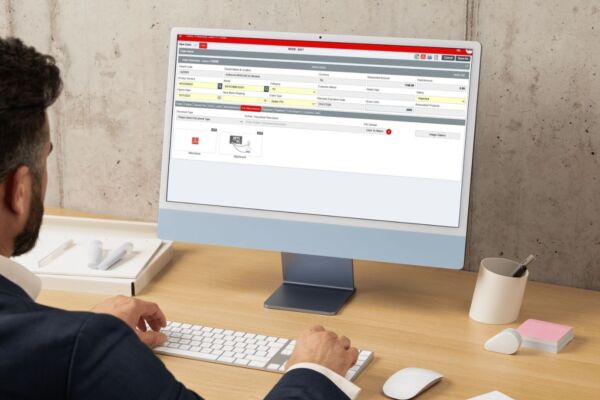
To claim the aforementioned advantages, it is essential for OEMs to implement a warranty management system. This system facilitates OEMs to analyze warranty data in real time and have a deeper understanding of recurring issues in the product.
This data-driven approach helps OEMs identify fraud claims and take preventive measures to reduce their volume. It reduces the costs associated with warranty claims while also improving customer satisfaction.
Features of Warranty Management System that Facilitate Claim Verification
Below is a list of some of the significant features of a warranty management system:
Automation of Data Collection and Processing
Modern warranty management systems facilitate automated data collection for quicker processing. This helps OEMs prevent human errors that might creep in during manual data collection. It ensures that teams have access to real-time data, speeding up the processing activities.
Custom Reporting
This system provides interactive dashboard and reporting features that make it easy for OEMs to analyze data with accuracy. As every metric is sorted and easy to find, OEMs can cross-check large volumes of warranty data in real-time and create reports accordingly. They can also choose which metrics to involve in a specific report and eliminate all others.
AI verification Capabilities
AI and machine learning algorithms enable OEMs to analyze text in warranty claims and predict a score of authenticity. Based on this score, OEMs determine if the submitted claim is valid or not and take the necessary actions that follow.
Conclusion
Warranty data analysis is an important segment for managing warranty claims efficiently while keeping costs in check. Apart from its several other benefits, analyzing warranty data enables OEMs to verify the authenticity of incoming claims.
This helps ensure that only genuine claims are processed and prevents unnecessary revenue leakage for OEMs. A warranty management system further eases this process by recognizing patterns in submitted claims and investigating their root causes. Data analytics also helps OEM in customer profiling and identifying individuals trying to present fraud claims.
Implementing a robust warranty management system enables OEMs to streamline the analysis of warranty data. This not only helps in reducing costs associated with fraudulent claims but also enables OEMs to manage their aftermarket operations better.