
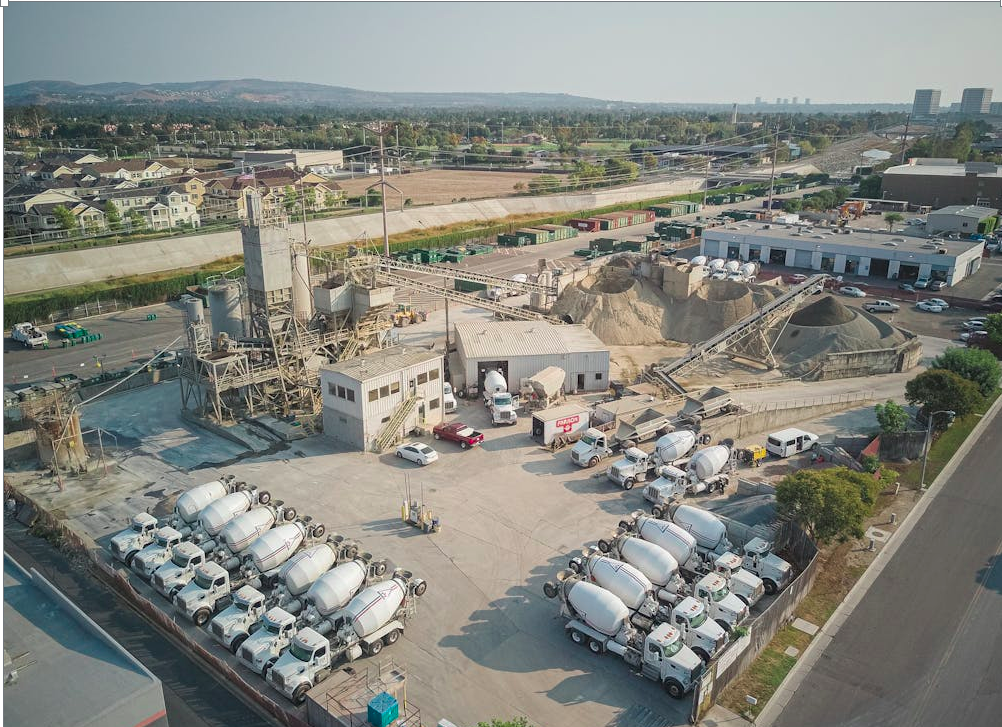
Cement companies have a terrible reputation amongst those concerned about the environment. After all, globally, cement manufacturing accounts for almost 8 percent of the world’s total CO2 emissions. Back in 2023, global emissions from the cement manufacturing industry stood at 1.56 billion metric tons of carbon dioxide (MtCO2).
These are scary numbers, especially for the environmentally concerned. Hence, it’s a given that cement companies will have a terrible reputation amongst this particular crowd.
Of course, high carbon emission rates are no joke as they harm the environment as well as the overall health of all living beings. Hence, cement companies are taking it upon themselves to make things right by reducing their carbon footprints.
This, of course, is easier said than done, but cement manufacturers can manage. And, with the help of data, this task of reducing their carbon footprint becomes easier to handle for cement makers. We’ll tell you how.
Smarter Energy Use Through Data Monitoring
Energy consumption is perhaps one of the biggest culprits behind high carbon emissions in cement production. The kilns used in cement production require extreme temperatures which are mostly fueled by fossil fuels.
Thus comes the need to analyze energy usage across different production stages. That way, cement plants can identify inefficiencies and switch to more sustainable options.
Advanced data analytics can be of great help here for cement plants. They can help:
- Monitor real-time energy consumption
- Pinpoint exactly where waste occurs
- Sensors placed throughout the plants can track heat loss and energy leaks
- Sensors can also help by providing data on where fuel efficiency can be improved
Cement companies, of course, can take things up a notch. Using AI-driven predictive maintenance, they can keep their kilns operating at peak efficiency, reducing both energy waste and downtime.

Determining Where to Use Carbon Capture Technology
CO2 capture technology allows plants to pull CO2 straight from industrial emissions. That, in turn, gives heavy-emitting industries, like cement manufacturers, a scalable, efficient way to capture, store, or repurpose carbon safely.
But, there’s something important we need to discuss here: Where should carbon capture tech be implemented at a cement plant for maximum impact? Data can be of help here as well to cement plants.
Cement manufacturers simply need to analyze their industrial emissions at different stages of production. The data retrieved from these analyses can then help them determine where solid-state carbon capture and other carbon capture solutions would be most effective.
Take the flue gas coming out of the kilns as an example. The gas released from these kilns contains high concentrations of carbon dioxide, notes Atoco. So it’s an ideal target for carbon capture technology. Data analytics can help identify the most efficient locations for capturing and storing carbon before it enters the atmosphere.
Optimizing Raw Material Usage with AI
The raw materials used in cement production play a huge role in carbon emissions. Traditional clinker-based cement is the main source of emissions. However, alternative materials – such as fly ash, slag, and other industrial byproducts – can reduce the need for carbon-heavy clinker.
AI-driven data analysis can help cement companies determine the right mix of materials to maintain quality while lowering emissions. By studying historical data and running simulations, manufacturers can find ways to reduce clinker content without sacrificing strength and durability.
This approach cuts emissions and also reduces reliance on virgin raw materials, making the entire supply chain more sustainable.
Supply Chain and Transportation Efficiency
Cement production isn’t just about what happens inside the plant; it’s also about how materials are transported. From raw material sourcing to product delivery, every step in the supply chain has an environmental impact.
With the help of data analytics, cement companies can track transportation emissions and find ways to reduce them. This might mean optimizing delivery routes to cut down on fuel consumption or even rethinking supply chains to source materials closer to production sites.
Even small changes – like reducing unnecessary truck idling time – can add up to significant carbon savings over time. And when companies start integrating all of these data-driven strategies, the overall impact on reducing emissions becomes even greater.
The Future of Eco-Friendly Cement Manufacturing is Data-Driven
Cement production will always come with emissions, and there’s no stopping it. But that doesn’t mean the industry is stuck with its current carbon footprint. By using data to drive smarter decisions, cement companies can cut down on emissions, improve efficiency, and integrate sustainable practices without sacrificing profitability.
The cement industry is at a turning point, and those who embrace data-driven sustainability will lead the way in shaping a cleaner, greener future.