
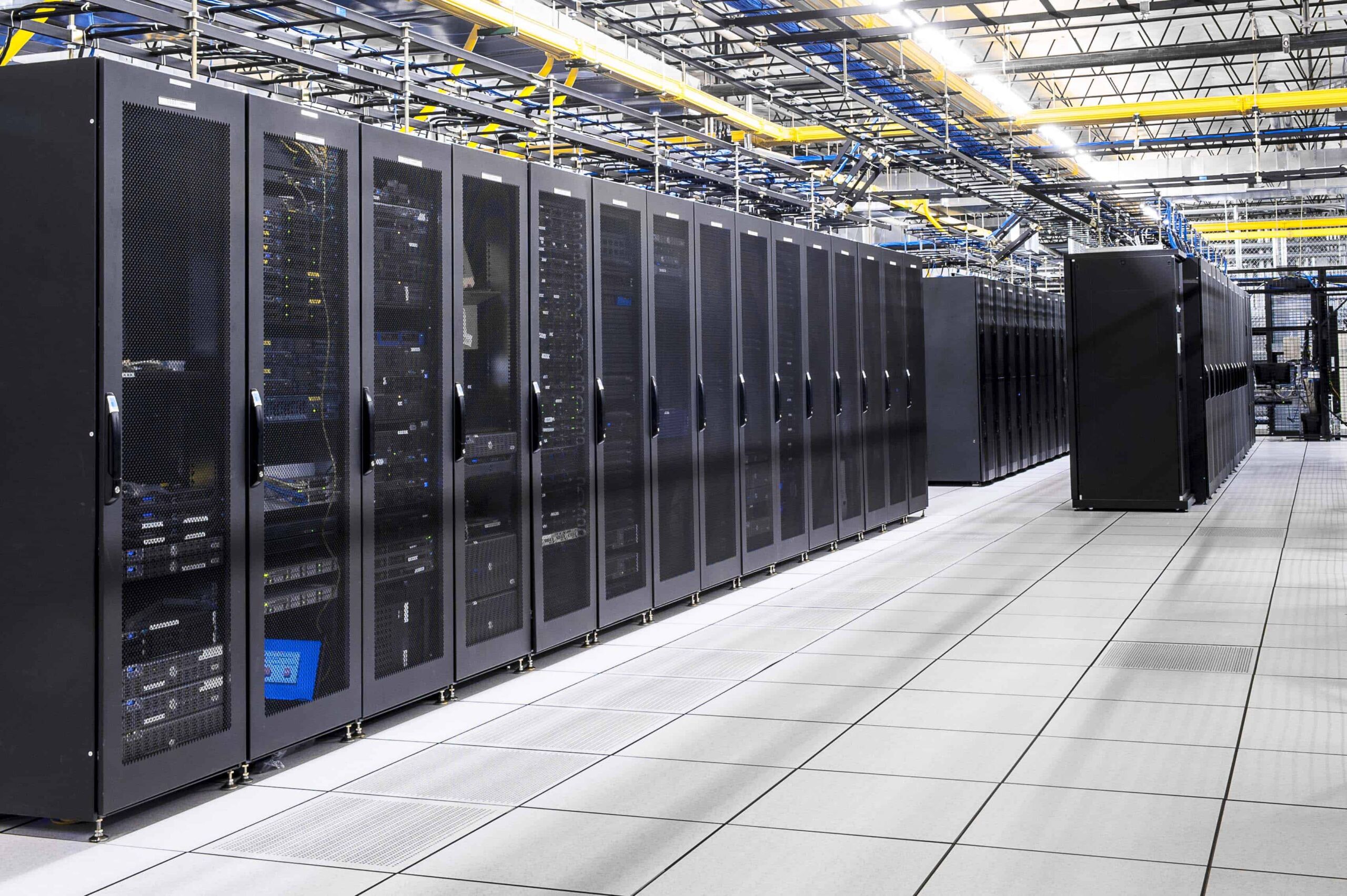
Your data center is the engine that keeps your business running, but is it working as efficiently as it could be? Traditional data centers struggle to keep up with rising energy costs and technology advancing at breakneck speed. Poor cooling, inefficient power distribution, and rigid infrastructure can quickly turn into financial and operational headaches.
The good news? You don’t have to stick with an outdated model. Companies worldwide are adopting energy-efficient strategies and modular data center solutions to improve scalability, reduce waste, and lower costs. These innovations help you respond faster to growing demands without overspending on unnecessary infrastructure.
If your goal is to build a data center that delivers high performance without draining resources, you’re in the right place. Let’s dive into how modular design and energy efficiency can make a measurable impact.
Data Center Construction: The Need for Smart Solutions
Building an efficient data center requires careful planning, advanced technology, and a well-structured design. Without these elements, businesses can face rising energy costs, overheating equipment, and operational inefficiencies. Let’s take a practical example to understand why this matters.
Suppose you have a cloud-based business running on heavy servers that demand significant processing power and reliable cooling. To efficiently store and operate these servers, you need a robust infrastructure without incurring excessive operational expenses. Look into modular data center solutions instead of constructing a traditional facility that requires significant time and costs many businesses.
These pre-engineered units offer faster deployment, better cooling efficiency, and scalability, making them an ideal choice for industries with heavy computational needs.
A well-optimized data center ensures smooth operations, prevents unnecessary energy loss, and keeps infrastructure adaptable to future growth. Choosing the right setup from the start can make all the difference in cost-effectiveness and long-term performance.
Improving Energy Efficiency in Data Centers
One of the biggest challenges in running a mining operation or any data center is energy consumption. Electricity is not just a cost factor; it directly impacts profitability. Optimizing energy usage helps reduce operational costs and extends the life of your equipment.
How to Boost Energy Efficiency
Advanced Cooling Techniques
Cooling systems consume a large portion of a data center’s energy, and inefficient temperature management can lead to higher costs and reduced hardware lifespan. Techniques like liquid cooling help transfer heat more effectively than traditional air-based systems, reducing the need for excessive power. Hot and cold aisle containment is another strategy that prevents hot and cold air from mixing, ensuring that cooling is directed where it’s needed most.
Energy-Efficient Hardware
Upgrading outdated hardware is one of the simplest ways to improve efficiency. Modern servers are designed with lower power consumption in mind, using intelligent power scaling to adjust energy use based on workload. Solid-state drives (SSDs) require less power and generate less heat than traditional hard drives, reducing the strain on cooling systems.
Smart Power Management
Automated power management systems help optimize energy use by monitoring consumption in real time. Dynamic voltage scaling adjusts processor power based on workload, preventing unnecessary energy drain during low-demand periods. AI-powered optimization tools analyze patterns in energy use and suggest adjustments to improve efficiency.
The Rise of Modular Data Centers
While energy efficiency plays a key role in cost reduction, the design of your data center is just as important. Traditional data centers require large upfront investments, long construction times, and high maintenance costs.
Why Modular Data Centers Are a Game-Changer
Modular data centers offer a flexible and cost-effective alternative to conventional setups. These prefabricated units can be deployed quickly and scaled up as needed.
Key Benefits of Modular Data Centers
Scalability for Growing Operations
Businesses that rely on high-performance computing, such as Bitcoin mining, often need to expand quickly. A traditional data center requires a heavy upfront investment, whereas a modular setup allows you to increase capacity step by step. This prevents over-investment while ensuring infrastructure keeps up with growing demands.
Faster Deployment
Building a traditional data center can take months or even years, delaying operations and increasing costs. Modular data centers, on the other hand, are pre-engineered and built off-site, allowing for faster assembly and minimal disruptions. With deployment taking just weeks instead of months, businesses can get up and running much sooner.
Lower Operational Costs
With a pre-designed and energy-efficient structure, modular data centers require less power for cooling and daily operations. Their standardized components reduce maintenance costs and optimize power usage, making them a financially smart choice for businesses looking to cut long-term expenses.
Optimized for High-Density Computing
Industries that rely on continuous data processing, such as Bitcoin mining and AI-driven applications, require hardware setups that can handle intensive workloads. Modular data centers are specifically built to support high-density computing, ensuring efficient power distribution, enhanced cooling, and effective airflow management.
Wrapping It Up
Combining energy efficiency with modular infrastructure provides the best results for businesses involved in data-heavy operations. A well-optimized data center ensures smooth operations, lower costs, and greater flexibility. Adopting these strategies can help you build a high-performance, cost-effective data center that supports long-term growth. As technology advances, staying ahead with adaptable and efficient solutions will help you maximize profitability and minimize expenses.