
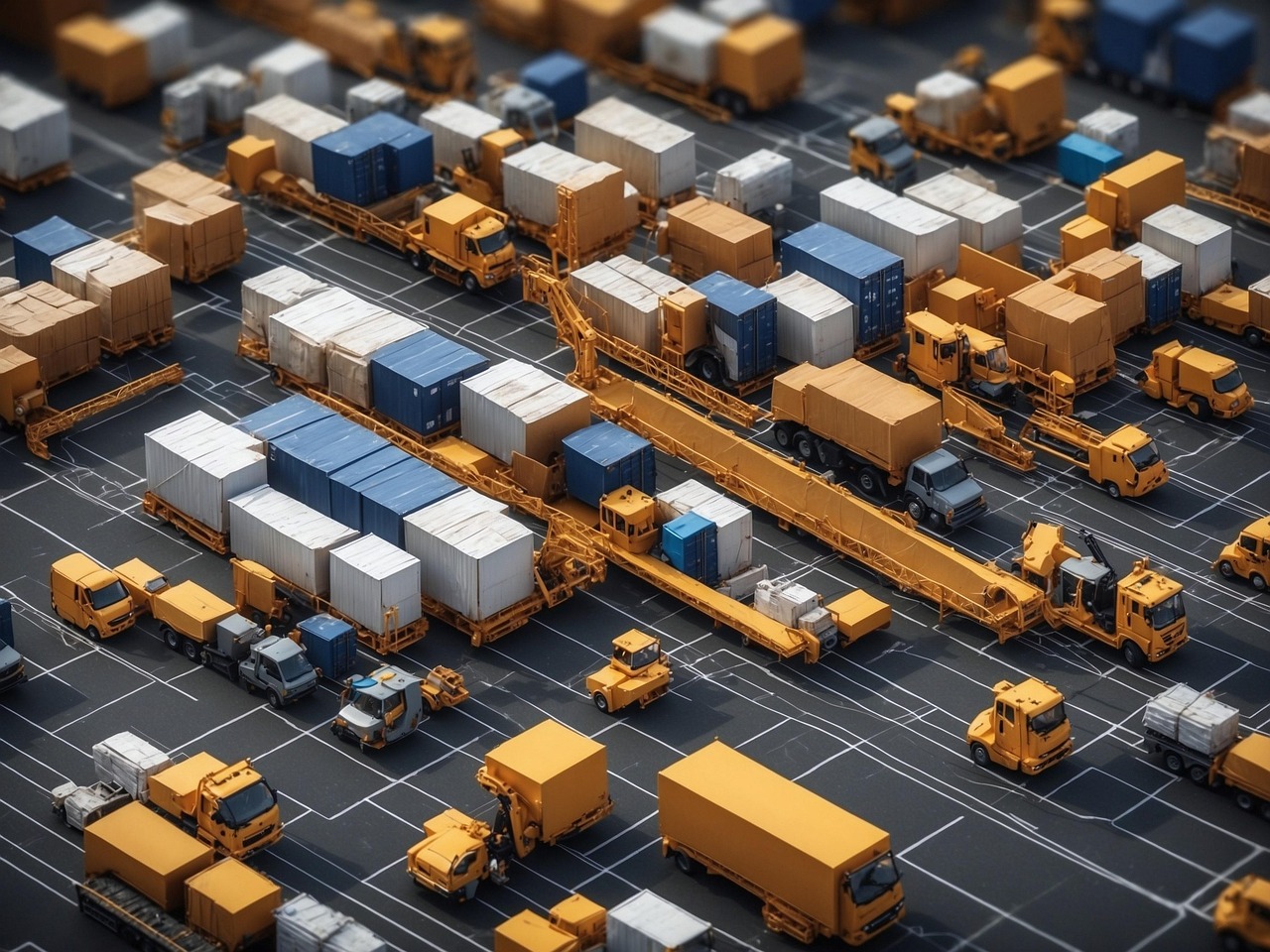
The textile industry is undergoing a significant transformation, driven by advancements in Artificial Intelligence (AI). Smart textiles and intelligent fabric production are at the forefront of this revolution, integrating AI-powered technologies to enhance efficiency, sustainability, and innovation. From predictive maintenance in textile machinery to AI-driven material design, the industry is witnessing a new era of intelligent manufacturing.
1. AI-Powered Material Innovation
AI is playing a crucial role in developing smart fabrics with enhanced functionalities. Machine learning algorithms analyze vast amounts of data to create high-performance textiles with properties such as temperature regulation, moisture control, and even self-healing capabilities. AI assists in material selection by predicting how different fibers will behave under various conditions, enabling manufacturers to design textiles with superior durability and comfort.
2. Smart Manufacturing with AI
The integration of AI into textile machinery has optimized production processes, reducing waste and increasing efficiency. Automated quality control systems powered by AI detect defects in fabric production with unparalleled accuracy, minimizing errors and ensuring consistency in textile quality. AI-driven predictive analytics also help manufacturers anticipate equipment failures, preventing downtime and reducing maintenance costs.
3. Enhancing Sustainability in Textile Production
Sustainability is a growing concern in the textile industry, and AI is helping manufacturers adopt eco-friendly practices. AI-powered systems optimize dyeing and finishing processes to reduce water and chemical usage. Additionally, AI-driven waste management systems analyze production patterns to minimize fabric wastage and improve resource utilization, contributing to a greener textile industry.
4. AI in Wearable and Interactive Textiles
Smart textiles are increasingly being used in wearable technology, healthcare, and fashion. AI-driven sensors embedded in fabrics monitor biometric data, enabling applications in fitness tracking, medical diagnostics, and adaptive clothing. Intelligent textiles are also being developed with AI-driven responsive properties, such as color-changing fabrics and energy-harvesting materials.
5. Future Prospects of AI in the Textile Industry
As AI technology continues to evolve, the possibilities for smart textiles and intelligent fabric production are expanding. The integration of AI with the Internet of Things (IoT) is expected to further enhance real-time monitoring and automation in textile manufacturing. Industry leaders, including ITMACH India, are at the forefront of showcasing innovations that merge AI with textile machinery, paving the way for a smarter, more efficient future.
Conclusion
AI is revolutionizing the textile industry by making fabric production smarter, more sustainable, and highly efficient. From material innovation to quality control and sustainability, AI-driven technologies are shaping the future of textiles. As the industry continues to embrace AI, smart textiles and intelligent fabrics will redefine how we experience and interact with textiles in everyday life.