
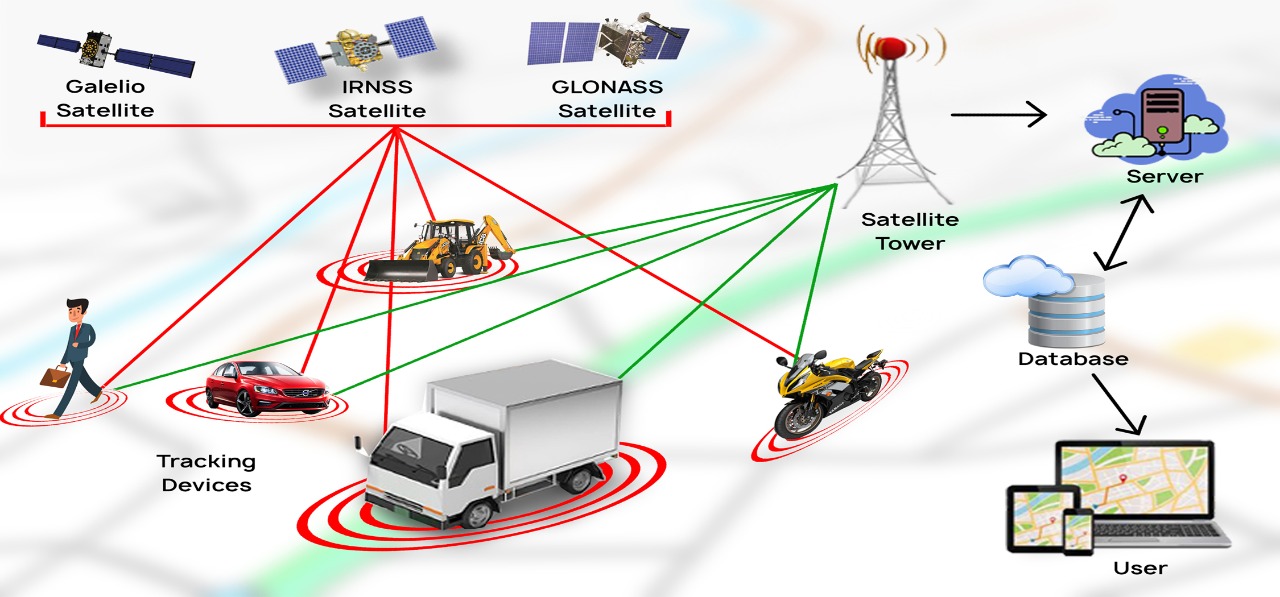
Gps Tracking Software and fleet management systems have efficiently replaced the traditional ways of managing fleets. These technologies not only help monitor the location of vehicles but also streamline operations, optimize routes and even improve the fleet’s maintenance.
This article explores the features and advantages of GPS tracking software with real-time analytics. It will offer concrete evidence to demonstrate how these can bring maximum efficiency to your business operations.
GPS Tracking and Real-time Analytics
- GPS Tracking
Global Positioning System (GPS) is a system of satellites that send out signals to the recipients on the earth. The receivers, which are widely available in GPS devices and smartphones, calculate their exact location using the signals they receive from several satellites. In fleet management, companies place GPS devices in vehicles, allowing them to watch the movements of their vehicles as they occur. This means that managers can see where each vehicle is located at any time.
- Real Time Analytics
Real-time analytics is basically the approach to data processing that deals with the inflow, instead of waiting until the data is collected. Benefits of Real-time Location Tracking include fleet management vehicles processing data instantly, which differs from the past when companies stored data for hours or days. This reflects the decreased speed, the fuel consumption, and the way drivers use the vehicles to get to a certain place.
Why Combine Both?
- Optimized Routing
Global positioning system (GPS) technology enables fleet managers to recognize the best routes by looking into current traffic conditions, road closures, and other real-time factors. As a result, the travel time and the fuel consumption are decreased.
- Improved Scheduling
Currently, thanks to real-time analysis, companies can flexibly adapt schedules to cater to sudden changes such as delays in deliveries or emergencies, so as to ensure that the time frames are met and the customers are satisfied.
- Enhanced Decision-Making
It provides very detailed data that allows the managers to quickly make sound decisions. The real-time information provides relevant information on driver behavior, vehicle usage, and proper maintenance scheduling.
- Reduced Downtime
By monitoring vehicle performance metrics, predictive maintenance can be easily achieved. Dealing with some potential issues that might lead to breakdowns before they get out of hand is what makes companies have little to no unexpected downtime.
- Cost Savings
The most efficient operations result in a meaningful reduction of costs. The fuel economy goes up, the labor costs drop because drivers use their time effectively, and the maintenance expenses also decrease since mechanics undertake timely interventions.
- Increased Productivity
Besides reducing travel times, excessive use of idle running is now a thing of the past. As it allows the businesses to seamlessly deliver more goods or services, calls thereby uplifting and enhancing overall productivity.
- Enhanced Safety
Real-time monitoring enables the employer to prevent any hazardous driver activities by remarking on such a problem as speeding or braking heavily. It also provides a bonus on the telematics insurance premiums.
- Comprehensive Analytics
Extensive reports and analytics enable managers to determine patterns, optimize the fleet size, and plan future business activities
Benefits of GPS Tracking System with Real-Time Analytics
Real-time GPS tracking and analysis have transformed fleet management by providing accurate location information, allowing businesses to streamline their operations considerably. Following is how the use of this technology can result in intelligent fleet management:
- Improved Route Planning
Using GPS tracking, fleet managers can track all of their vehicles and plan the route of the vehicles to be the most efficient. Real-time data allows them to identify bottlenecks and come up with alternative solutions, e.g. redirecting vehicles. This results in the faster delivery of goods and a reduction in vehicle trip times.
- Lower Fuel Consumption
Vehicles consume more fuel if they’re cruising through heavy traffic or taking longer routes. Fleet managers can detect such inefficiencies in real time and alter them. For instance, they can provide route suggestions with lower congestion or shorter distances to save fuel.
- Enhanced Safety
Real-time analysis can also calculate the speed at which a vehicle is moving. If a driver goes over the speed limit, the management would be alerted immediately. The drivers will thus respect the speed limits to reduce accidents and claim the road.
- Better Vehicle Maintenance
By gathering information on vehicle usage, fleet managers are able to forecast maintenance requirements. Truck Management Software with analysis is able to forecast when the parts in a vehicle will deteriorate due to usage patterns. It assists in planning for regular maintenance, breakage prevention, and prolonging the life of the vehicles.
Before You Go!
GPS tracking software with real-time analysis greatly contributes to fleet management with improved route planning optimization. Such technologies, through instantaneous and precise data, enable organizations to save money and operate flawlessly.
With the implementation of GPS tracking and real-time monitoring software such as Trackobit, companies acquire an upper hand at better, improved, with effective fleet management tactics.