
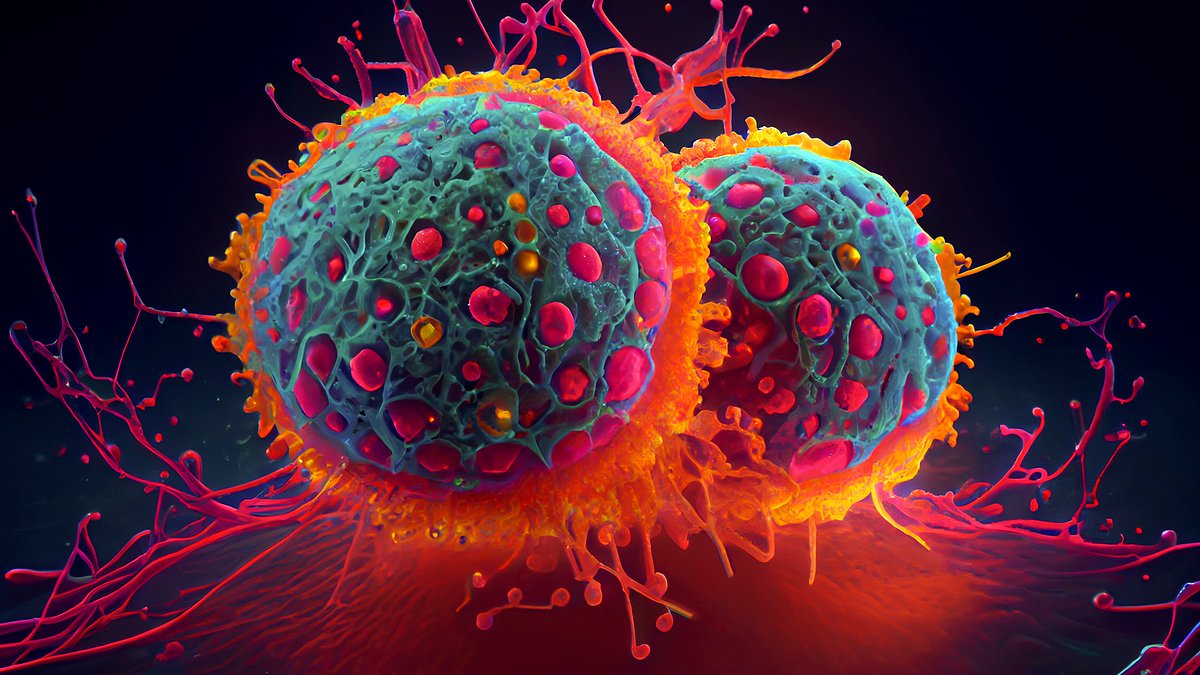
1. Quantum Materials for Cellular Monitoring
One of the most awe-inspiring breakthroughs this year involves the use of quantum materials—just a single atom thick—to track the electrical activity of living cells using light. Researchers have developed this technology to monitor cellular processes with unprecedented precision. This innovation could transform medical diagnostics, enabling doctors to detect diseases like cancer or neurological disorders earlier than ever before. By harnessing the power of quantum science, this discovery is a game-changer for personalized medicine.
Why It Matters: Early detection is key to improving patient outcomes, and this breakthrough could lead to non-invasive, highly accurate diagnostic tools.
2. Reverting Cancer Cells to Normal Cells
In a stunning development, Korean researchers have pioneered a technology that reverts cancer cells back to normal cells without destroying them. Unlike traditional treatments like chemotherapy, which kill cancer cells and often damage healthy tissue, this method targets the root of the problem by reprogramming malignant cells. This could redefine cancer treatment, offering a less invasive and more effective alternative.
Keyword Focus: Cancer treatment breakthrough, sprunki retake innovative cancer therapy.
Why It Matters: With cancer remaining a leading cause of death worldwide, this discovery offers hope for millions of patients and could reduce the side effects associated with conventional therapies.
3. DNA Data Storage Revolution
Imagine storing all your digital data in a strand of DNA. In 2025, scientists have made this a closer reality with an AI-based method that recovers data from DNA strands nearly 90 times faster than previous techniques. DNA storage is incredibly dense and durable, capable of holding vast amounts of information in a tiny space for thousands of years. This breakthrough could revolutionize computing, making data storage more efficient and sustainable.
Why It Matters: As the world generates more data than ever, this innovation addresses the growing need for compact, long-lasting storage solutions.
4. Remote Detection of Radioactive Materials
Security and safety have taken a leap forward with a record-breaking test where researchers used infrared laser pulses to remotely detect radioactive material. This method could one day identify covert nuclear weapons from a distance, enhancing global security efforts. The ability to detect such materials without direct contact marks a significant step in combating nuclear threats.
Keyword Focus: Nuclear detection technology, scientific security breakthrough.
Why It Matters: This technology could prevent illicit nuclear activities and bolster international peacekeeping efforts.
5. Lab-Grown Testes for Reproductive Health
Scientists at Bar-Ilan University have achieved a world-first by creating “test-tube testes” from real testicular cells. These lab-grown gonads mimic natural testes, offering new possibilities for infertility treatments and reproductive research. This breakthrough could help men facing fertility challenges and deepen our understanding of reproductive biology.
Why It Matters: Infertility affects millions globally, and this innovation could provide hope for those struggling to conceive.