
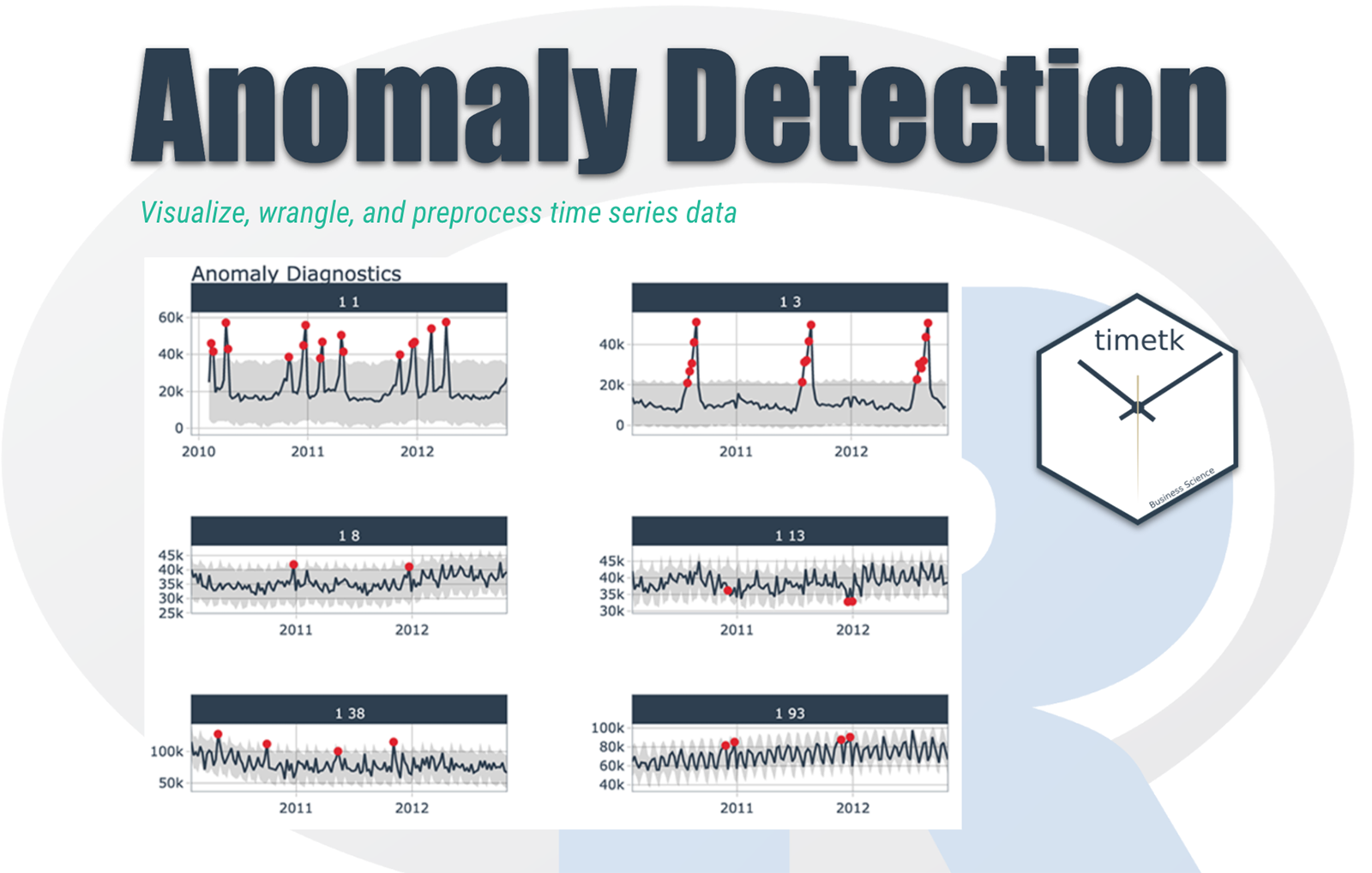
In an era where cyber threats are evolving at an alarming pace, traditional security systems often struggle to keep up. Organizations face increasing risks from hackers, data breaches, and unauthorized access, which can lead to severe financial and reputational damage. To counter these threats, AI-powered anomaly detection has emerged as a cutting-edge solution, enabling businesses to identify and respond to security incidents in real-time.
Understanding AI-Powered Anomaly Detection
AI-powered anomaly detection leverages machine learning (ML) and artificial intelligence (AI) to monitor patterns, detect deviations, and flag unusual activities within a system. Unlike conventional security measures, which rely on predefined rules, AI adapts and learns from historical data, making it highly effective in identifying previously unknown threats.
By analyzing large datasets, AI can detect subtle changes that indicate potential security breaches, such as unauthorized system access, irregular login attempts, or abnormal data transfers. This proactive approach enhances cybersecurity, reducing the chances of financial losses and ensuring data integrity.
AI in Access Control Security
Modern Access Control systems are incorporating AI to enhance security measures and prevent unauthorized access to sensitive data and restricted areas. AI-driven access control solutions help organizations secure their physical and digital assets through:
1. Identifying Unusual Login Attempts
AI-powered access control systems analyze user behavior patterns to identify anomalies. If a user attempts to log in from an unusual location, at an odd time, or from a new device, AI can trigger an alert or request additional authentication steps to verify the user’s identity.
For example, if an employee who typically logs in from an office computer suddenly attempts access from an unfamiliar country, the system can block the attempt until proper verification is provided.
2. Automated Access Management
AI can enhance access control systems by granting or denying permissions based on real-time security assessments. For instance, if a user tries to access a restricted area without the proper authorization, AI can automatically lock doors, disable keycards, or alert security teams to prevent unauthorized entry.
3. Strengthening Biometric Authentication
AI-driven biometric systems use facial recognition, fingerprint scanning, and voice authentication to provide an additional layer of security. Unlike traditional password-based access, biometric authentication ensures that only authorized personnel can access sensitive locations or data.
These systems continuously improve over time by adapting to changes in a person’s features, such as aging or minor facial modifications, ensuring accuracy and minimizing false rejections or approvals.
4. Predicting and Preventing Security Threats
One of the biggest advantages of AI-powered anomaly detection is its predictive capabilities. Machine learning models analyze past incidents and detect patterns that may indicate potential future threats. By identifying risks in advance, AI can suggest preventive measures, reducing the likelihood of security breaches.
For example, if an access control system detects repeated failed login attempts from multiple locations, it can recognize a potential brute-force attack and immediately block the IP addresses involved, preventing further intrusion attempts.
Real-Time Threat Response with AI
Unlike traditional security systems, which often react after a security incident has occurred, AI-powered anomaly detection offers real-time threat response. This ensures that security teams can act immediately, mitigating risks before they escalate into major breaches.
How AI Enhances Real-Time Security Response:
-
Automated Lockdown: AI can automatically restrict access to high-risk areas in case of a security breach.
-
Immediate Notifications: AI-powered systems can send real-time alerts to security teams, allowing them to take action before an incident worsens.
-
Incident Analysis: AI continuously learns from new threats, helping organizations improve security policies and access control mechanisms over time.
The Growing Need for AI in Access Control Systems
With the increasing complexity of cyber threats, organizations cannot rely solely on traditional security measures. AI-powered anomaly detection in Access Control systems is becoming a necessity for businesses looking to safeguard their assets, protect sensitive data, and prevent unauthorized access.
Benefits of AI-Driven Access Control:
✔ Enhanced Security: AI provides intelligent access management, reducing the risk of unauthorized entry.
✔ Time Efficiency: Automated real-time monitoring eliminates the need for manual security oversight.
✔ Adaptability: AI evolves with emerging threats, offering a future-proof security solution.
✔ Cost Reduction: By preventing security incidents, businesses can save millions in potential damages and regulatory fines.
Conclusion
AI-powered anomaly detection is revolutionizing security by offering real-time threat response and intelligent risk management. In Access Control systems, AI enhances security by detecting and mitigating unusual activities, ensuring that only authorized personnel can access critical areas.
As cyber threats continue to evolve, organizations must adopt AI-driven solutions to stay ahead of attackers. Investing in AI-based security measures today can prevent costly breaches and ensure a safer digital future for businesses worldwide.