
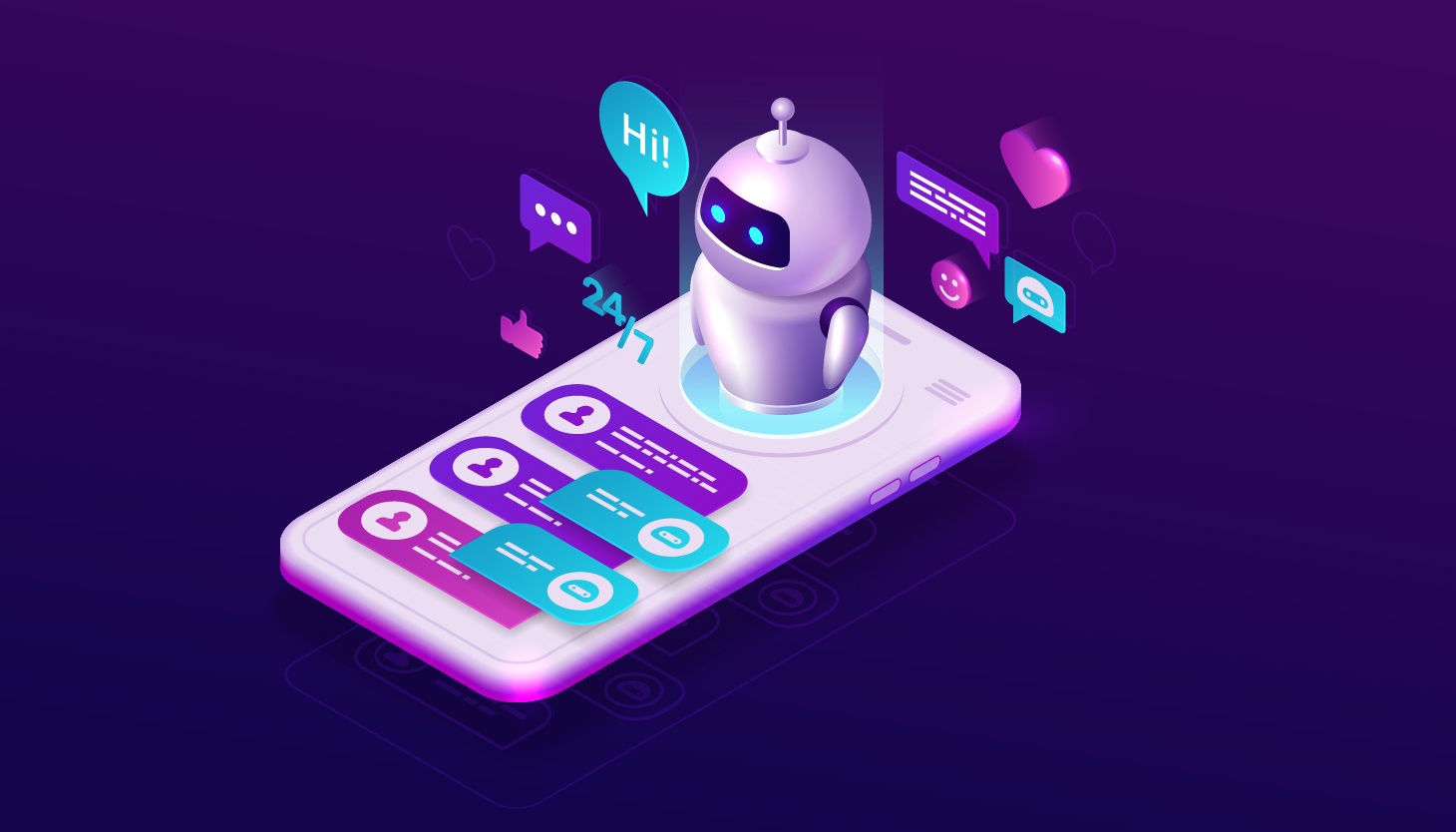
Artificial intelligence has transformed the way businesses and individuals interact with technology. Among its many advancements, AI-powered chatbots have become an integral part of communication, customer service, and automation. As AI chatbots continue to evolve, their capabilities are expanding beyond simple question-answer interactions. But where is conversational AI heading in the future? This article will explore the major trends shaping the next generation of AI chatbots.
The Rise of Hyper-Personalization
AI chatbots are no longer restricted to generic responses. They are becoming highly personalized, catering to individual user preferences and behaviors. Advanced machine learning algorithms allow chatbots to analyze past interactions and predict user needs more accurately. This level of personalization ensures that responses feel more human-like, making interactions smoother and more engaging.
In particular, industries such as e-commerce and healthcare benefit from this development. Chatbots can recommend products based on browsing history or provide tailored health advice based on previous queries. This shift towards hyper-personalization is expected to make AI chatbots even more integral to daily life.
Multimodal Communication Capabilities
Traditionally, chatbots have relied on text-based interactions. However, the future of AI chatbots involves integrating multiple communication modes, including voice, images, and even videos. Many virtual assistants already support voice-based interactions, but the inclusion of visual processing capabilities will allow chatbots to interpret and respond to images or videos sent by users.
For instance, a customer service chatbot for a tech company might allow users to upload images of malfunctioning devices, enabling AI to diagnose issues more effectively. This type of multimodal interaction will significantly enhance user experience and make AI chatbots more intuitive.
AI Chatbots in the Workplace
Businesses are increasingly using AI and HR chatbots to streamline operations. From automating HR processes to assisting employees with IT support, chatbots are making workplace interactions more efficient. Instead of waiting for human assistance, employees can quickly access relevant information, reducing downtime and improving productivity.
Moreover, AI chatbots are also transforming recruitment. Companies are using them to conduct preliminary interviews, analyze candidate responses, and shortlist suitable applicants. This automation helps businesses save time while ensuring fair evaluations
Emotional Intelligence and AI Chatbots
One of the biggest criticisms of AI chatbots has been their inability to understand emotions. However, advancements in natural language processing and sentiment analysis are enabling chatbots to recognize and respond to emotions more effectively. This progress is particularly beneficial for mental health support and customer service industries, where empathy plays a crucial role.
Companies are working on AI models that detect frustration, stress, or excitement in a user’s tone and adjust responses accordingly. This development will make AI chatbots feel more human-like and improve user satisfaction.
Conversational AI and Ethical Considerations
As AI chatbots become more sophisticated, ethical concerns surrounding their use are growing. Issues such as data privacy, bias in AI responses, and the potential for misinformation need to be addressed. Companies developing AI chatbots must ensure that data security is a top priority and that chatbot algorithms do not reinforce harmful stereotypes.
Regulatory bodies are also stepping in to establish guidelines for AI chatbot usage. Businesses that rely on AI for customer interactions must comply with these regulations to maintain user trust and avoid legal repercussions.
Integration with All AI Tools
AI chatbots are no longer standalone solutions; they are being integrated with various AI-powered tools to provide more comprehensive functionalities. Many businesses now incorporate chatbots into customer relationship management (CRM) systems, marketing automation software, and analytics platforms.
This integration ensures that AI chatbots can access real-time data, making their responses more relevant and accurate. Businesses that utilize All AI Tools effectively can offer seamless and intelligent interactions to their customers, improving overall engagement.
AI Chatbots in Entertainment and Content Creation
The entertainment industry is also benefiting from AI chatbot advancements. From AI-driven storytelling assistants to interactive gaming companions, chatbots are providing new and engaging experiences. Furthermore, AI-powered content creation tools are integrating chatbots to generate dynamic and personalized content for users.
Similarly, AI-driven applications such as ai kissing video generator showcase the growing influence of AI in content creation. These innovations allow users to create personalized and interactive experiences, reflecting how AI is transforming digital media.
The Future of AI Chatbots in Healthcare
Healthcare is another sector that is experiencing significant improvements due to AI chatbots. Virtual health assistants are helping patients book appointments, receive medication reminders, and even conduct preliminary symptom analysis. These AI-driven solutions are making healthcare more accessible, especially for those in remote areas.
In addition, AI chatbots are assisting medical professionals by automating administrative tasks. Doctors can use AI-powered assistants to quickly access patient history, analyze medical records, and receive diagnostic recommendations, reducing workload and improving patient care.
Conclusion
The future of AI chatbots is bright, with advancements in personalization, emotional intelligence, multimodal interactions, and workplace automation. As businesses and individuals continue to rely on AI-powered solutions, chatbots will play an even greater role in everyday interactions. Ethical considerations and regulatory compliance will remain crucial to ensure responsible AI deployment.
With continuous improvements in AI, chatbots are set to become even more intuitive, making human-machine interactions more seamless than ever before. The rapid evolution of AI chatbots signifies that they will not just assist users but also redefine the way communication and automation function in various industries.