
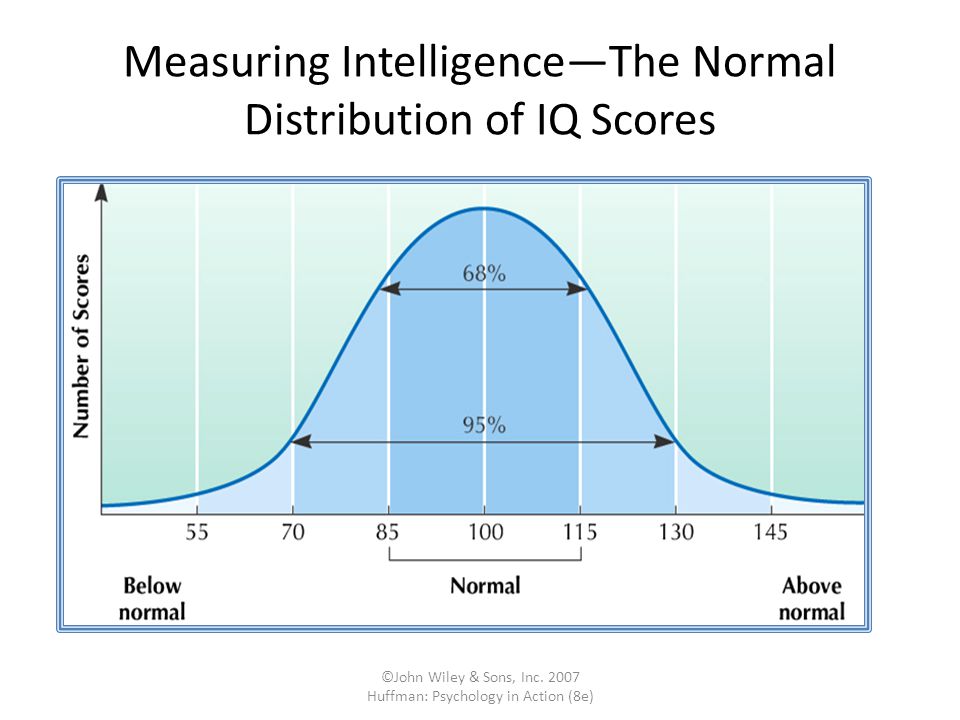
The concept of intelligence has fascinated humans for centuries. From early attempts at measuring mental acuity to the modern IQ tests we recognize today, our understanding of intelligence has evolved significantly. However, with the advent of big data, the field is undergoing a seismic transformation. Big data is not just improving the way we measure IQ; it is reshaping how we understand human intelligence altogether.
This article explores how big data is revolutionizing IQ measurement, its implications for the future, and the controversies surrounding it. Along the way, we’ll touch on intriguing topics like the types of IQ, whether Elon Musk has ADHD, and how Elon Musk’s IQ contributes to the ongoing conversation about intelligence.
The Traditional Approach to IQ Measurement
IQ, or Intelligence Quotient, has traditionally been measured through standardized tests. These tests assess various cognitive skills such as logical reasoning, problem-solving, mathematical ability, and verbal comprehension. While effective in certain contexts, these tests have faced criticism for their limitations, such as cultural bias and a narrow focus on specific aspects of intelligence.
Types of IQ
Understanding IQ involves recognizing its different dimensions. The most commonly discussed types include:
- Logical-Mathematical IQ: Ability to reason, calculate, and solve problems.
- Linguistic IQ: Proficiency in understanding and using language.
- Spatial IQ: Ability to visualize and manipulate objects in space.
- Emotional IQ (EQ): Capacity to understand and manage emotions.
- Creative IQ: Aptitude for thinking outside the box and generating innovative ideas.
Big data is helping us move beyond traditional IQ metrics by incorporating these diverse types into a more holistic understanding of intelligence.
The Role of Big Data in IQ Measurement
Big data refers to the massive volumes of structured and unstructured data generated every second. When applied to IQ measurement, big data allows researchers to analyze cognitive patterns, behaviors, and environmental influences on an unprecedented scale. This shift is making IQ measurement more accurate, inclusive, and dynamic.
Real-Time Data Collection
Traditional IQ tests are static, capturing a snapshot of intelligence at a specific moment. Big data, on the other hand, enables real-time collection and analysis of cognitive performance through:
- Educational Tools: Platforms like Duolingo and Khan Academy collect data on problem-solving and learning habits.
- Wearable Tech: Devices such as smartwatches track physiological and cognitive metrics.
- Social Media: Behavioral data from platforms like Twitter and Facebook offer insights into linguistic and emotional intelligence.
Machine Learning and AI Integration
Machine learning algorithms analyze these vast datasets to identify patterns and correlations. For example, AI can predict an individual’s problem-solving ability based on their interactions with digital tools. These insights go far beyond the capabilities of traditional IQ tests.
Removing Cultural Bias
One of the biggest criticisms of traditional IQ tests is their cultural bias. Big data mitigates this by analyzing diverse datasets from people across various demographics, creating more equitable and universal IQ assessments.
Elon Musk IQ: A Case Study in Modern Intelligence
When discussing high intelligence, Elon Musk’s IQ often comes up. While no official IQ score has been disclosed, Musk’s extraordinary achievements in engineering, business, and innovation suggest a remarkable intellectual capacity. By examining Musk’s intelligence through the lens of big data, we can gain deeper insights into modern IQ.
The Cognitive Profile of Elon Musk
Elon Musk’s success can be attributed to a combination of high logical-mathematical IQ, creative IQ, and emotional IQ. Big data tools could potentially analyze Musk’s problem-solving methods, decision-making processes, and emotional resilience, offering a more nuanced understanding of his intelligence.
Does Elon Musk Have ADHD?
There has been speculation about whether Elon Musk has ADHD. If true, it highlights how neurodivergence can coexist with extraordinary intelligence. Big data is already playing a role in understanding ADHD by analyzing patterns in behavior, attention, and focus. Such insights could redefine how we measure intelligence in neurodiverse individuals.
The Impact of Big Data on Education and IQ Development
Big data isn’t just changing how we measure IQ; it’s also influencing how we nurture intelligence. In education, personalized learning platforms use data analytics to tailor teaching methods to individual students’ strengths and weaknesses.
Adaptive Learning Systems
Platforms like Coursera and Edmodo leverage big data to:
- Identify areas where students struggle.
- Provide targeted resources to address these gaps.
- Measure improvements in real-time, offering a dynamic view of intelligence development.
Early Childhood Development
Big data is also being used to assess and develop intelligence in children. Apps designed for cognitive development collect data on problem-solving, creativity, and emotional understanding, helping parents and educators foster well-rounded growth.
Ethical Considerations in Big Data and IQ Measurement
While the potential benefits of big data in IQ measurement are vast, ethical concerns cannot be ignored. These include:
Privacy and Data Security
The collection of sensitive cognitive data raises significant privacy concerns. How can we ensure that this data is stored securely and used ethically?
Misuse of Data
There’s a risk that IQ-related data could be used to discriminate against individuals in education, employment, or other areas. Policies must be implemented to prevent such misuse.
Redefining Intelligence
As big data expands our understanding of IQ, we must grapple with the question: What exactly is intelligence? The answer may challenge long-held societal norms and values.
The Future of IQ Measurement with Big Data
The future of IQ measurement is promising, thanks to big data. Here are some potential developments:
Dynamic IQ Assessments
Big data could enable IQ assessments that adapt in real-time, providing a more accurate and comprehensive view of intelligence.
Inclusive Metrics
By analyzing diverse datasets, big data will create IQ metrics that are inclusive of various cultures, languages, and neurodiverse conditions.
Enhanced Predictive Analytics
Big data will allow us to predict not just cognitive abilities but also potential areas for growth and development, making IQ assessments more actionable.
Conclusion
Big data is not just revolutionizing IQ measurement; it’s revolutionizing our understanding of human intelligence. By incorporating real-time data collection, machine learning, and diverse datasets, we can move beyond the limitations of traditional IQ tests. Figures like Elon Musk, with his high IQ and possible neurodivergence, exemplify how modern intelligence is a multifaceted phenomenon. While ethical challenges remain, the potential for big data to create a more equitable and dynamic approach to IQ measurement is undeniable.
As we continue to explore the intersection of big data and intelligence, one thing is clear: the future of IQ measurement is brighter, more inclusive, and more insightful than ever before.