

The demand for advanced materials is growing exponentially. Industries ranging from aerospace to automotive are on the lookout for innovative materials that can enhance performance, reduce weight, and improve durability. Data science has emerged as a pivotal player in this development process, utilizing sophisticated algorithms and vast datasets to streamline the material testing and development process, particularly through non-destructive testing methods.

Image source:https://www.pexels.com/photo/man-technology-white-zoom-9574568/
Advanced Materials and Processes
Advanced materials encompass a broad range of substances designed to exhibit superior characteristics compared to traditional materials. These materials often possess enhanced properties such as increased strength, lighter weight, and improved resistance to environmental factors, making them highly desirable in various applications. The development of these materials is a complex process that requires meticulous testing to ensure they meet specific performance standards. Data science aids this endeavor by enabling companies to analyze material performance data and identify key trends.
Through techniques such as machine learning and statistical modeling, researchers can predict how materials will behave under different conditions. For example, data science techniques are applied in Shearography Non-Destructive Testing NDT, allowing for thorough inspections without compromising the integrity of the materials. This analysis also facilitates the rapid identification of potential flaws and accelerates the material development cycle.
The Role of Laser Testing in Material Development
Laser testing plays a crucial role in the field of material development by providing high precision in measurements that are vital for quality assurance. Lasers can detect material inconsistencies, surface imperfections, and structural integrity issues with unparalleled accuracy. Employing laser-based methods alongside data science analytics boosts the efficiency of the testing process, leading to shorter development timelines and higher-quality outcomes. Moreover, integrating data science with laser testing allows for real-time data collection and analysis. This capacity for immediate feedback is invaluable, as it enables researchers to make swift adjustments to material compositions or processing techniques based on empirical evidence. As a result, the cycle of innovation accelerates significantly, making it possible to bring new materials to market faster than ever before.
Data Analytics in Laser Testing
Data analytics leverages collected data to provide insights that drive material innovation. In the context of laser testing, analytics can reveal hidden patterns and correlations that may not be evident through standard testing processes. Techniques such as predictive modeling can help assess how different materials will perform under various operational conditions, enhancing the design phase.
This analytical approach not only improves material design but also contributes to better decision-making in manufacturing processes. Organizations can use these insights to optimize their supply chains, reduce costs, and increase efficiency—all while adhering to stringent regulatory standards. Additionally, the continuous flow of data helps in keeping a proactive stance towards quality assurance throughout the lifespan of the material.
Challenges and Solutions in NDT
Despite its numerous advantages, integrating data science with laser testing and NDT does present some challenges. One significant hurdle is the sheer volume of data generated during testing. Managing and analyzing Big Data can be overwhelming, especially for smaller organizations with limited resources. To address this challenge, companies are increasingly turning to cloud-based solutions and artificial intelligence. These technologies facilitate effective data storage, management, and analysis, making it feasible for organizations of all sizes to harness the power of data without overwhelming their existing IT infrastructure.
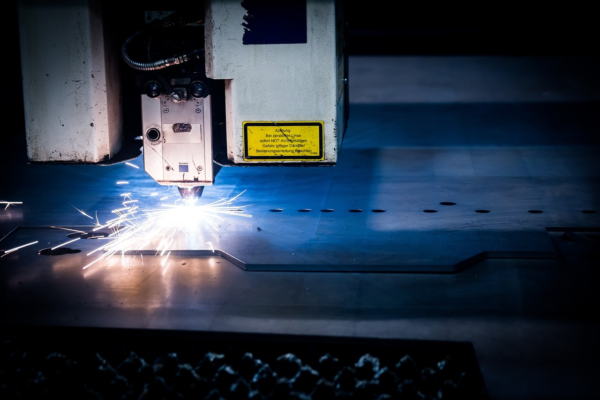
Image source:https://pixabay.com/photos/laser-cutting-cutting-out-machine-2819142/
Future Perspectives of Data Science in Material Development
Looking ahead, the role of data science in advanced material development is set to expand even further. As technologies evolve, the integration of IoT devices with laser-based testing can usher in an era of connected materials. This means that real-time monitoring and analytics could provide insights continuously, leading to even more responsive development strategies. Furthermore, the accessibility of data analytics tools will continue to democratize material innovation. As more organizations adopt data-driven approaches, we can expect to see a wave of fresh ideas and materials revolutionizing various industries.
In summary, data science is transforming the landscape of advanced material development through innovative testing methodologies and sophisticated analytics. The convergence of laser testing and data science is not just about meeting performance standards; it represents a leap toward greater efficiency, productivity, and creativity in material innovation.