
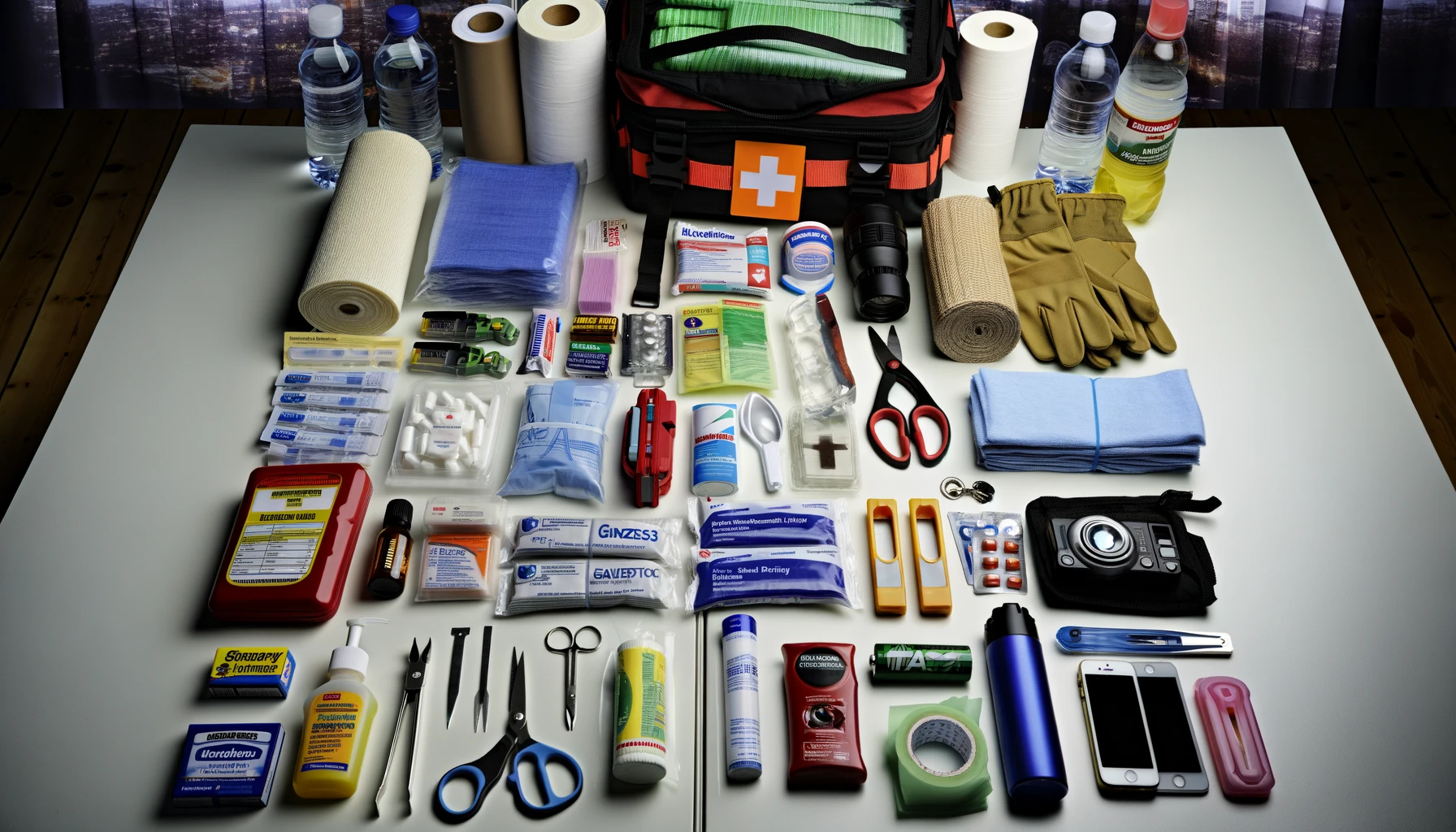
When disaster strikes, emergency response teams are the first to step in and bring order to chaos. But responding to emergencies goes beyond courage and expertise—it demands the right tools to ensure safety, efficiency, and success. Without proper equipment, even the most skilled teams can face delays, risks, and setbacks.
Reliable tools, on the other hand, provide seamless functionality, reduce downtime, and allow teams to focus on their mission—helping those in need. These essentials don’t just make the job easier; they make it possible to work in challenging conditions while maintaining safety and effectiveness.
Having said that, in this article, we’ll explore the must-have tools that keep emergency response teams prepared and equipped to tackle tough situations with confidence.

Temporary Lighting Systems
Temporary lighting systems are essential for emergency response teams working in low-light or no-light conditions. These systems are versatile and suitable for use indoors, outdoors, and even in wet locations. Whether it’s during nighttime operations or inside poorly lit buildings, temporary lighting ensures teams can see clearly and work safely.
Common products include construction string lights and hand lights, designed to provide high-output illumination over long distances. These are ideal for scenarios like disaster recovery, rescue missions, or temporary setups where reliable lighting is crucial.
For added durability, many lighting systems, such as those from Duraline, feature a crush-proof steel ring around the sockets to prevent accidents, such as damage from drops. They are compatible with both incandescent and LED bulbs, giving teams the flexibility to choose based on their needs.
With their reliability and ease of use, temporary lighting systems are indispensable tools in ensuring safety and efficiency during critical operations.
Specialized Electrical Cables
Specialized electrical cables are crucial in emergency response situations, providing reliable power even in the harshest conditions. These cables are waterproof and suitable for wet locations, ensuring power is safely delivered without causing dangerous GFI nuisance tripping. This feature allows first responders to focus on their tasks without worrying about electrical safety.
Designed to endure tough environments, these cables can withstand abuse, including high-pressure hose downs and complete submersion in water. They are engineered to enhance GFCI safety, making them ideal for emergencies in challenging conditions.
Portable electrical systems using these cables are built for long service life under rough conditions. All components meet or exceed the highest industry standards, including NEC and OSHA safety regulations, ensuring performance and reliability during critical missions.
Heavy-Duty Rescue Tools
No emergency response toolkit is complete without heavy-duty rescue tools. These tools, such as hydraulic cutters, spreaders, and rams, are designed to handle challenging rescue operations like freeing trapped individuals from vehicles or collapsed structures.
Hydraulic rescue tools are portable, powerful, and easily cut through metal, concrete, or debris. Some newer models are battery-operated, eliminating the need for external power sources and allowing for greater flexibility during rescues.
By equipping teams with these tools, responders can save lives faster and more efficiently. Whether it’s during a natural disaster, an industrial accident, or a vehicle crash, heavy-duty tools ensure teams are prepared for the toughest challenges.
Emergency Communication Devices
Clear communication is vital during emergencies. Emergency communication devices ensure teams stay connected and coordinate effectively in critical situations.
Tools like two-way radios and satellite phones are reliable, even in areas without cell service. These devices allow responders to share updates, request help, and relay instructions without delay.
Portable signal boosters can strengthen weak connections, ensuring communication remains stable in remote or disaster-affected areas. Some devices are also weather-resistant, making them durable in harsh conditions.
Having the right communication tools reduces confusion and improves response times. It ensures every team member is informed and aligned, which is crucial for saving lives and managing emergencies efficiently.
Ventilation and Air Quality Equipment
In emergencies, maintaining safe air quality is essential. Ventilation and air quality equipment help ensure responders and victims can breathe safely in hazardous environments.
Portable fans are critical for clearing smoke, dust, or harmful gases from confined spaces. Air purifiers with HEPA filters can remove airborne particles, improving air quality in temporary shelters or enclosed areas.
Oxygen tanks and masks provide vital support in situations with low oxygen levels or toxic air. This equipment is essential during fires, chemical spills, or collapsed structures.
By using ventilation and air quality tools, emergency teams can create safer working conditions. These devices protect both responders and those affected, reducing risks and ensuring operations can continue effectively.
Final Thoughts
Emergency response requires more than bravery—it needs the right tools. From lighting and power systems to communication and safety equipment, each item plays a crucial role. With proper gear, responders can work safely and effectively, saving lives and managing crises. Investing in reliable equipment ensures readiness for any challenge.