
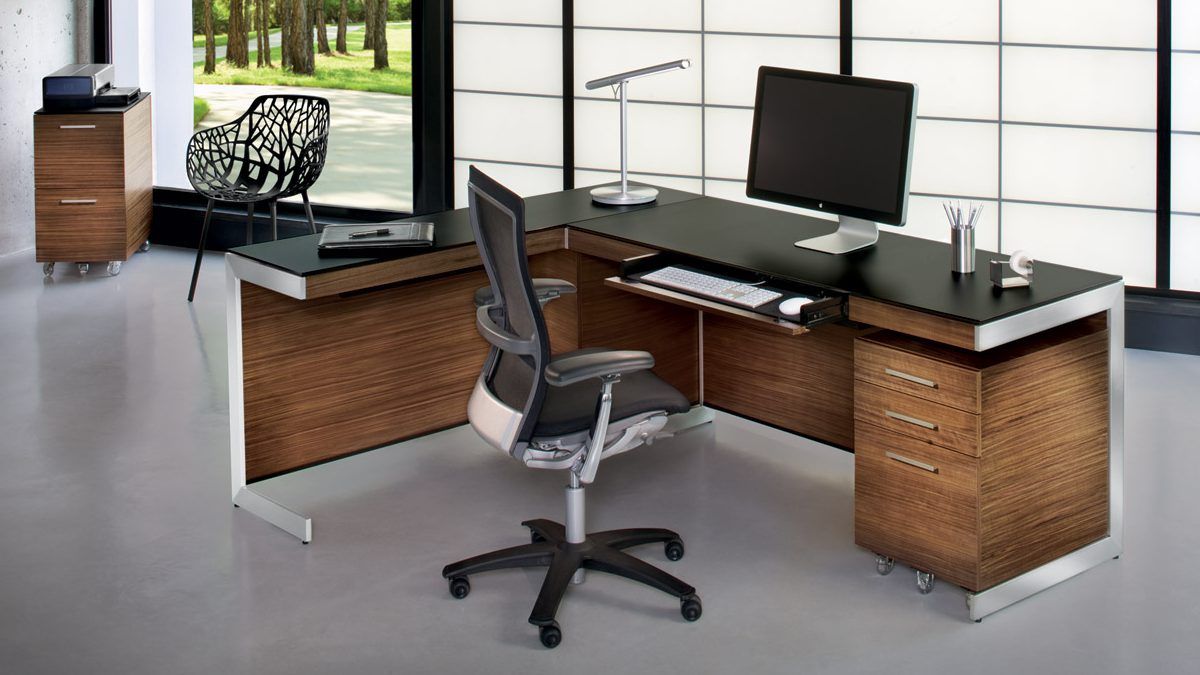
Indeed, being a data scientist is mentally demanding with regards to how long hours of deep thinking, coding, and analysis of massive datasets and complex model engineering really are. So, an appropriate work design is one of the keys to keeping productivity, comfort, and ultimately wellness. Suitable office furniture would indeed make easy posture easier for you and reduce the strain from your body, and that’s the environment you need when you have to focus on your work. In this paper, we will go through the basic office furniture each data scientist requires to optimize their space to create comfort and efficiency. In this paper, we will try to run through the basic used office furniture Pompano Beach that every data scientist requires to optimize the space created so that a data scientist is comfortable and efficient.
1. Ergonomic Office Chair
As a data scientist, your work often involves long hours sitting in front of a computer, which can lead to back pain, neck strain, or improper posture if your sitting plan isn’t ergonomic. An ergonomic office chair is the backbone of any productive workspace.
Key Features to Consider:
-
Adjustability: An ergonomic chair should allow you to change the height, backrest, and armrests to the maximum extent to accommodate your body type and preference.
-
Support to Lower Back: Proper lumbar support keeps your spine in its natural curves, avoiding long-term complications.
-
Breathing Material: It is also important that the chair’s material is breathable and made of fabric or mesh so that temperature regulation can be maintained while sitting for long periods.
2. Sit-Stand Desk
Protracted sitting is often attributed to several health conditions, such as back problems, tiredness, and even cardiovascular issues. For this reason, a sit-stand desk can be an excellent remedy against sitting for extended periods. It ensures you shift frequently between sitting and standing to preserve energy levels and prevent some sort of musculoskeletal disorders.
Critical features to look for:
-
Smooth operability: A good sit-stand desk should transition easily, either manually or electrically, between sitting and standing postures.
-
Height adjustment: The desk should be able to go high enough to be comfortable at sitting and standing positions.
-
Stability: The desk shouldn’t wobble unnecessarily at standing height.
3. Double Monitor Setup (or Ultra-Wide Monitor)
Data scientists often have to work with a multiplicity of data sets or tools at once, so multiple monitors-or at least an amazingly large ultra-wide monitor-is incredibly helpful. For instance, you might want to open a code editor on one monitor and view the matching results, graphs, or dashboards on another. In that case, workflow and efficiency can be greatly improved by means of this facility.
Key features to search for:
-
Screen size and resolution: It has to be at least 24 inches, with a high resolution that is 1440p or more as that helps minimize the risk of eye-straining as well as clear visuals.
-
Ergonomics: Ensure the monitor is set up at eye level. That means there will not be any straining in the neck. Also, it has to be set up at an appropriate distance to minimize eye fatigue.
-
Adjustability: Adjustable stands for tilt, height, and rotation enable you to adjust the monitors to your comfort level.
4. Keyboard and Mouse (Ergonomic Design)
A good, ergonomically designed keyboard and mouse are essentials for data scientists who spend hours typing code or working with data. Poorly designed peripherals can lead to hand and wrist strain, more so in repetitive activities like coding or data entry.
What to look for:
-
Ergonomic design: A separated or split keyboard will help one type in a more natural way, reducing strain on the wrists and forearms.
-
Customizable keys: Many data scientists like mechanical keyboards because of tactile feedback or programmable keys with access to many commands.
-
Ergonomic mouse: An ergonomic mouse can reduce strain on the wrists and encourage a much more comfortable grip. Options with a vertical design or adjustable sensitivity are recommended.
5. Task Lighting
While it is good to have as much natural light as possible, data scientists tend to work in spaces where artificial lighting is used. Good task lighting helps to reduce eye strain and enables the ability to get what needs to be done. Proper desk lighting will ensure that your workspace is clear of shadows or glare on your screens.
Key features to look for:
-
Variable intensity: The feature of having adjustable intensity for time and tasks means you will have the best environment at work.
-
Color temperature: The lights that can have variable color temperatures make it possible to achieve a natural daylight effect but also to soften the mood for a relaxing time.
-
Friendly eyes: A flicker-free desk lamp that spreads diffuse light is friendly for your eyes to reduce fatigue for longer periods of time at work.
6. Organization Options
Data scientists frequently have piles of research documents, printed code, or external drives to rummage through. Therefore, clean and efficient storage can be an essential part of a neat, working workspace.
What to look for:
-
Drawer systems: A filing cabinet or a set of drawers can help organize physical documents, notebooks, and office supplies.
-
Cable management: Desk organizers or trays that keep wires and cables in an orderly, out-of-sight manner might prevent tangling and add to the overall aesthetic appeal.
-
Shelf space: Flexible shelves or wall-mounted racks for storing books, textbooks related to data science, or personal items.
7. Acoustic Concerns
Data scientists may require a quiet workspace to concentrate on their work. With acoustic concerns in noisy working offices, acoustic furniture becomes a means to enhance concentration by reducing distractions.
To look out for Key features:
-
Acoustic panels: Applying sound-absorbing panels or foam tiles on the wall has noise reducibility.
-
Privacy screens: You can also consider desk dividers or even soundproof partitions if you want some real peace and quiet in your workspace.
-
Soft furnishing: Soft furnishing of places can also improve sound dampening and so as providing comfort in a place in terms of having cushions in chairs or carpets.
8. Personal Touches for Inspiration
Ergonomics and functionality are essential, but an inspiring and personal workspace can reflect positively on creativity and productivity. Personal touches such as plants, artwork, or motivational quotes can make the workspace enjoyable to be around.
Some ways to personalize your space:
-
Indoor Plants: Use indoor plants that purify the air and give a natural feel to the workspace.
-
Motivation Quotes: Quotes of motivation Quotes of motivation or images framed, which are relevant to the work or interest, improve morale.
Finally, there are some accessories that one can personalize, such as a desk clock, funny mouse pad, or just a fun desk organizer that might symbolize something about your personality and yet also keep you organized.
Conclusion
The designing of an ideal workplace for a data scientist requires an optimal balance between ergonomics functionality and comfort. Ergonomic chairs and sit-stand desks, added to double-monitor set-ups and task lighting, will all aid to the points of maximum efficacy and health. Discover innovative office solutions and design inspiration at corporateofficeint.com to elevate your workspace today! It reduces the physical strain that might come with carrying out data science activities, increases focus, and thus you will be much more productive. When you invest in the right furniture, you will be creating a place that you can ‘come alive’ in, mentally and physically.