

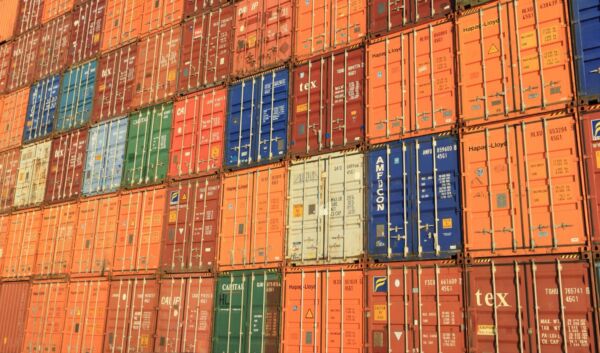
Shipping container optimization plays a pivotal role in achieving faster and more cost-effective B2B distribution. When done right, it helps businesses minimize expenses, streamline operations, and exceed customer expectations. By considering options like affordable new or used containers available through premiershippingcontainers.com.au, companies can find container solutions that fit their unique shipping needs while implementing strategic methods to maximize container space. This, in turn, allows businesses to build a competitive edge and enhance their supply chain performance.
Why Optimizing Shipping Containers Matters in B2B Distribution
Shipping container optimization is not just about saving money—it’s about delivering on promises faster, with fewer resources, and a smaller environmental footprint. In B2B, where bulk shipments and complex logistics are the norm, maximizing container usage is critical to staying efficient and competitive. Inefficient use of containers often results in higher shipping costs, delayed deliveries, and wasted resources.
Quick Fact: Fully optimized containers can reduce shipping costs by up to 30% by lowering the number of trips required.
Understand Your Freight and Shipment Needs
The foundation of container optimization starts with understanding your shipment types and patterns. This involves analyzing whether you primarily require Full Container Load (FCL) or Less-than-Container Load (LCL) shipping. Each approach comes with distinct benefits, depending on shipment size, frequency, and destinations.
Actionable Steps:
-
Audit Historical Shipping Data
Identify trends in shipment volume, frequency, and delivery zones. -
Categorize Goods
Group items by size, weight, and fragility to determine stacking and packing compatibility. -
Match Needs to Container Types
Choose container sizes that align with your shipment volume to reduce unused space.
For instance, if your shipments include small, lightweight goods, LCL shipments might be the most cost-effective. On the other hand, bulk shipments typically benefit from FCL strategies.
Refine Packaging and Pallet Utilization
Packaging and pallet configuration play an outsized role in optimizing container space. By using smart packaging solutions, you can eliminate dead space and secure goods better during transit. Additionally, uniform packaging makes pallets easier to stack efficiently, improving load density.
Practical Examples:
-
Switch to Stackable Packaging: Nesting containers or boxes reduces gaps and maximizes vertical space.
-
Custom Pallet Configurations: Experiment with pallet layouts that align precisely with your container’s dimensions.
-
Use Lightweight Materials: Opt for durable but lightweight packaging to save on overall shipment weight.
By focusing on streamlined packaging, you can ship more products per container while maintaining safety and compliance.
Embrace Container Management Technology
Container management software offers a data-driven approach to optimizing container usage. These tools calculate the ideal loading plan, ensuring every inch of space is used efficiently. They also consider factors such as weight distribution, fragility, and loading order to minimize risks and delays.
Key Benefits:
-
Precision Planning: Automated tools create virtual loading blueprints to maximize space usage.
-
Integrated Inventory Insights: Connect real-time inventory data with shipping schedules for seamless planning.
-
Monitoring for Overloading: Prevent regulatory fines by tracking container weight limits in real time.
For example, a logistics company shipping electronics used container management software to reduce unused container space by 15%, cutting shipping costs by $50,000 annually.
Implement Dynamic Load Planning
Dynamic load planning involves adjusting shipment loads based on real-time data, ensuring containers are always full before shipping. This approach eliminates the inefficiency of underutilized containers while maintaining fast delivery schedules.
How to Execute:
-
Integrate Live Inventory Data
Use warehouse management systems (WMS) to align inventory availability with shipping schedules. -
Prioritize Proximity-Based Shipments
Group shipments headed to nearby destinations to maximize container utilization. -
Use Cross-Docking
Minimize storage time by transferring goods directly from inbound to outbound containers.
Dynamic load planning helped a leading B2B distributor improve delivery times by 25% while reducing empty container trips by 40%.
Adopt Smart Containers for Real-Time Visibility
Smart container technology adds an extra layer of efficiency and reliability to the shipping process. Equipped with sensors and IoT capabilities, these containers offer real-time updates on shipment conditions, such as temperature, humidity, and fill levels.
Benefits in Action:
-
Reduce Risk: Monitor fragile or perishable goods to prevent spoilage or damage.
-
Track Efficiency: Analyze fill levels to identify underused space.
-
Ensure Compliance: Automate weight distribution monitoring to avoid penalties.
For instance, a pharmaceutical company reduced spoilage rates by 10% using smart containers that tracked real-time temperature changes during transit.
Leverage Split-Shipping and Consolidation Strategies
Split-shipping and consolidation are practical solutions for businesses with varied shipment needs. Split-shipping divides orders across multiple destinations, while consolidation combines smaller shipments into a single container heading to the same region.
Use Case Scenarios:
-
Split-Shipping: A retailer sending stock to multiple branches can split bulk orders to save on delivery times.
-
Consolidation: Small businesses can combine orders with other companies shipping to the same region, reducing costs per unit.
Partnering with freight forwarders can further enhance these strategies by offering consolidated shipping solutions tailored to your distribution needs.
Focus on Ideal Container Fill Ratios
Striking the right balance between overpacking and underpacking is critical. The optimal container fill ratio—typically between 85-90%—ensures goods are packed securely while utilizing available space effectively.
Steps to Improve Fill Ratios:
-
Measure and Monitor
Use container management software to track and adjust fill ratios over time. -
Standardize Loading Practices
Train warehouse staff on best practices for consistent container packing. -
Analyze Packing Metrics
Regularly review packing data to identify patterns and areas for improvement.
A manufacturing firm increased its container fill ratio by 12%, saving $100,000 annually in freight costs by simply standardizing loading practices.
Streamline Customs Processes for International Shipping
For B2B companies engaged in cross-border distribution, customs processes often create bottlenecks. Automating documentation and collaborating with customs brokers can expedite clearance and reduce delays.
Key Tips:
-
Digitize Documentation: Automate forms such as customs declarations and invoices.
-
Work with Experts: Partner with customs brokers who specialize in your product categories.
-
Plan Ahead: Ensure all documentation is ready well before shipment departure.
These steps can cut customs processing times by as much as 30%, accelerating international distribution timelines.
Final Thoughts: Optimize for Speed, Savings, and Satisfaction
Effective container optimization enhances every aspect of B2B distribution—reducing costs, improving delivery times, and boosting customer satisfaction. By leveraging smart technologies, refining packing strategies, and adopting dynamic load planning, businesses can achieve faster, more reliable distribution. With a focus on data-driven solutions and user-centric practices, container optimization becomes a strategic advantage in an increasingly competitive B2B landscape.