
Are you looking to transform your website into a conversion powerhouse? With A/B testing and data analysis, you can uncover the insights needed to understand user preferences, enhance user experience, and drive more conversions. Picture this: knowing exactly which headline, layout, or call-to-action (CTA) resonates best with your visitors. That’s the kind of clarity A/B testing and data analysis provide, empowering you to make data-driven improvements. Let’s dive into these essential techniques and explore how you can use them to unlock your website’s potential and maximize results.
What is A/B Testing and Why is it Important for Conversions?
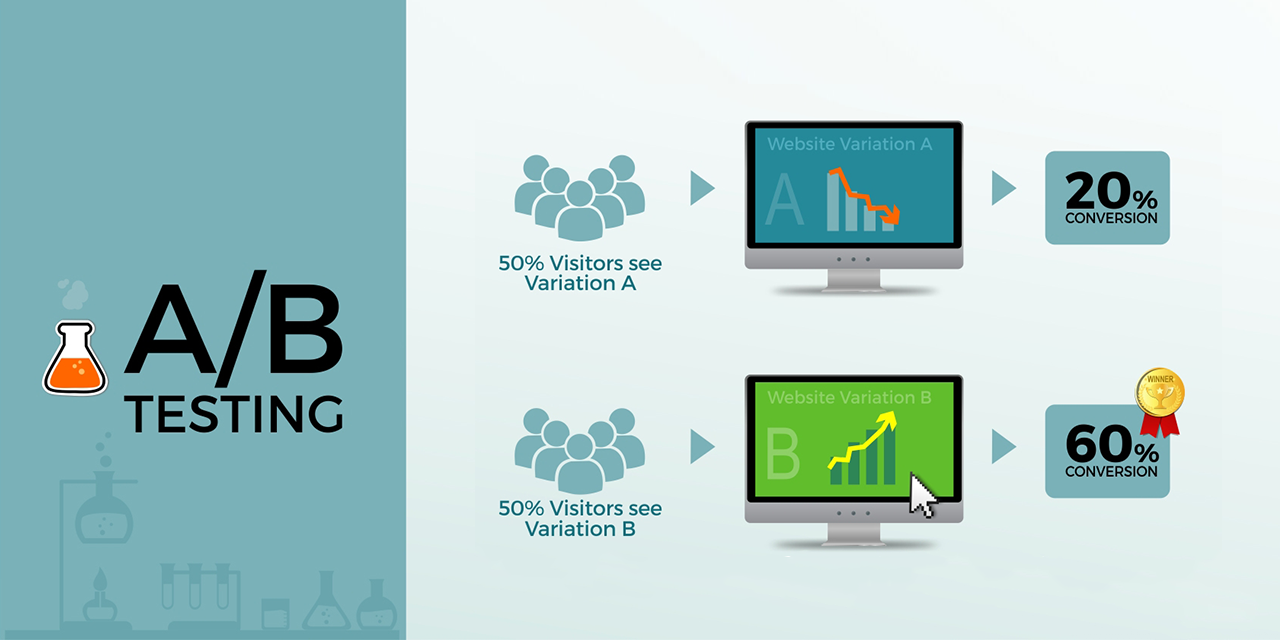
A/B testing is a method of comparing two versions of a webpage to determine which one performs better. It can involve small changes—like tweaking a call-to-action button—or larger shifts, such as adjusting layout and content. When combined with robust data analysis, A/B testing becomes a powerful tool to optimize user experience and improve conversion rate.
Take the example of a local eCommerce shop that wanted to improve their product page’s conversion rate. They initially had lengthy product descriptions that overwhelmed users. By testing a more streamlined version with bullet points, they noticed a 15% increase in conversions! This small change, guided by A/B testing and data-backed design decisions, made a significant difference.
If you’re considering A/B testing to improve your site, working with a professional web design team can ensure your tests are set up for success and truly enhance your user experience.
How Data Analysis Complements A/B Testing in Conversion Optimization
A/B testing alone provides valuable insights, but when paired with data analysis, it opens up even greater opportunities. Through data analysis, you gain a deeper understanding of user behaviour, tracking critical metrics like bounce rate, time on page, and click-through rate (CTR). Using tools like Google Analytics or Crazy Egg, you can create heatmaps to see exactly where users are engaging on your pages.
For instance, one business owner realized that many users abandoned their site after reaching the checkout page. By analyzing this pattern, they identified confusion around shipping fees as the main issue. A simple A/B test to clarify shipping details on the product page led to a significant drop in cart abandonment.
Setting Up an Effective A/B Test for Your Website
For your A/B test to produce reliable insights, follow these steps:
- Identify the elements to test: Whether it’s headlines, buttons, images, or page layout, choose elements that impact user experience.
- Define your hypothesis and goals: Outline a clear hypothesis (e.g., “Making the CTA button red will increase clicks”) and establish conversion metrics.
- Determine sample size and test duration: A smaller sample may not yield accurate results, so choose a reasonable timeframe.
- Use tools for A/B testing: Tools like Google Optimize, Optimizely, and VWO help set up tests, track metrics, and simplify the process.
Starting small is often the best approach. Testing a single element at a time prevents data overlap and allows for easier analysis.
Analyzing A/B Test Results for Actionable Insights
Analyzing your A/B test results is as important as running the test itself. Examine conversion data and track metrics such as click-through rate (CTR), bounce rate, and conversion rate. For example, if your test shows a higher bounce rate on Version B, you may need to revise the page content to retain visitors.
Understanding the significance of the results is also crucial. Statistically significant results indicate that the changes you’ve implemented could reliably influence user behavior. Be cautious, though; sometimes data can mislead. If your test period is too short or your sample size too small, you may see false positives or misleading trends.
Strategies for Implementing Successful Conversion Optimizations
Once you’ve identified a winning variation, it’s time to implement those changes permanently. Prioritize adjustments that have the most impact on conversion rate and continuously monitor performance. Conversion rate improvement is an iterative process, so keep experimenting with elements that influence the user journey, such as page layout and CTAs.
Example of an Optimized User Journey
Consider a business that noticed users often left the site before completing forms. They experimented with simplifying the form, reducing the fields from ten to four. This change increased the form submission rate by 30%, illustrating the importance of simplifying processes for users.
Common A/B Testing Mistakes and How to Avoid Them
A few common mistakes can derail your A/B testing efforts:
- Running tests without goals: Establish clear objectives for your A/B tests to keep them focused.
- Overlooking test duration: Tests require sufficient time to yield valid results.
- Ignoring mobile optimization: A/B testing for desktop users alone may overlook valuable mobile insights.
- Acting on inconclusive data: Draw conclusions only from significant data to avoid missteps.
Advanced Techniques: Multivariate Testing and Personalization
Beyond A/B testing, advanced techniques like multivariate testing and personalization can further enhance conversions. While A/B testing compares two versions of one element, multivariate testing examines multiple elements simultaneously. This is particularly useful when you want to experiment with various combinations, like headline and image changes.
Personalization, enabled by data analysis, can also boost conversions by offering tailored content to users. By segmenting audiences based on behaviour or demographics, you can create dynamic content that resonates with each segment, leading to improved engagement and conversion rates.
Tools and Resources for A/B Testing and Data Analysis
To maximize your A/B testing and data analysis efforts, explore these popular tools:
- Google Optimize: A free, user-friendly option for A/B testing.
- Optimizely: Great for advanced testing and personalization.
- Crazy Egg: Offers heatmaps and session replays.
- VWO: A versatile tool for A/B and multivariate testing.
These tools allow you to gain insights into user behaviour, track conversions, and visualize engagement, helping you make informed decisions. Remember, A/B testing and data analysis are long-term strategies, and the more consistently you use them, the better results you’ll see.
Optimizing website conversions with A/B testing and data analysis isn’t just about testing theories; it’s about understanding your users and improving their experience. By diving into user behavior, testing new ideas, and embracing data-driven decision-making, you’re setting up your website for long-term success. Start small, stay consistent, and watch your conversions grow! If you’re looking to elevate your site’s performance with A/B testing, consider partnering with a web design expert to implement changes effectively and efficiently.
Ivana Katz from Websites 4 Small Business is an award winning web designer who builds websites that build your business. She provides unbeatable web design services to fit your budget.
The end result? Professional, custom-made sites that give your business the extra oomph it needs to stand out from the competition and make an impact.
Whether you’re a brand-new business or an established one ready to improve your digital presence, Ivana makes it easy to get your business online very quickly. Her websites are professional, tailored to fit your budget, and give your business a serious boost.