
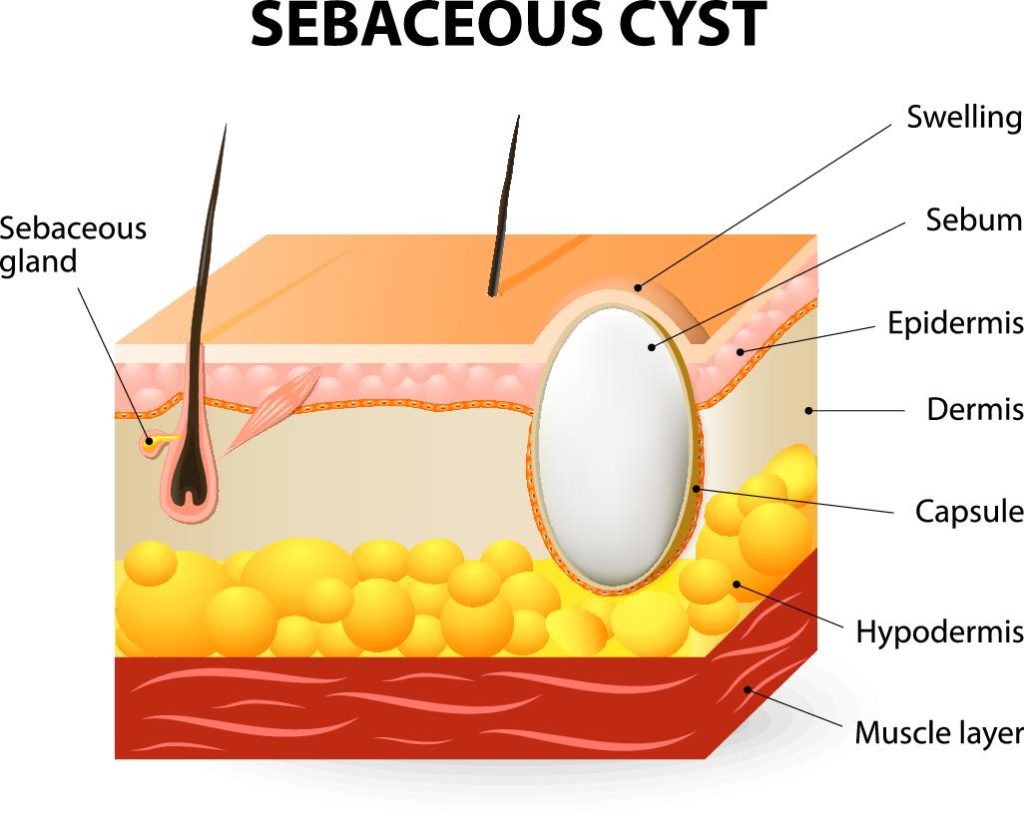
Cysts can develop anywhere in the body, and these are sacs filled with fluid, air, or other material formed in the skin. It is always advised not to remove the cyst with any home remedy process. Most cysts can be resolved without treatment, but they require medical diagnosis and surgery in certain conditions. There are different types of cysts; the primary cause is infection, swollen hair follicles, and duct blockages. So, if you are preparing for a successful removal, here’s what you need to proceed with.
Medical procedure for a successful cyst removal of Science
Often, it becomes difficult to identify whether it is a cyst, a boil, or something else. So, a proper diagnosis from your doctor is required, and if necessary, you should have it removed. A health practitioner can also provide other treatments based on the it’s type and location.
Different cyst removal methods of Science
There are several methods of removal. However, which treatment suits you depends on the cyst’s size, condition, and location.
-
Drainage
The doctor makes a small insertion through the cyst so that the fluid or trapped air can be drained out. This is done under local anesthesia, and the wound is packed with gauze. It stays for one or two days and finally heals after a week. Meanwhile, you have to take antibiotics to prevent infection.
-
Fine-needle aspiration
In this process, a thin needle is inserted into the cyst to drain out the fluid, making the lump less noticeable. This process is mostly done in cases of breast cysts or if it has reoccurred. Taking a sample for biopsy also helps to determine whether it is cancerous or not.
-
Surgery
Local anesthesia is used to remove it and depending on it’s size, these processes can leave a scar. However, if the cyst is ganglion, there is a chance of recurrence after the surgery.
-
Laparoscopy
The cyst that develops in the ovaries is called laparoscopic. Here, the surgeon is seen making a small incision with a scalpel, and then a thin camera for a laparoscope is inserted into the incision. Finally, it is removed, which leaves behind a small scarf due to the insertion process.
Post-cyst removal care of Science
After it has been removed, you have to follow specific instructions as prescribed by the doctor, such as keeping the wound covered with dry bandages, as there is a chance of some drainage for a few days. If a gauze was inserted in the wound, then you have to get it removed by the doctor. Even if it is healing, you must intake oral antibiotics or use antibiotic cream and ointment. To get relief from pain, you must take over-the-counter medications as the doctor prescribes.
Risk of cyst removal of Science
If you try to remove it at home, the situation can get worse. It can lead to infection or permanent scarring. If it is already infected, it can spread and harm the surrounding tissue. Also, if the cyst has a tendency to grow back, partial removal can make it infected.
Conclusion
While preparing for the removal, you might be asked to eat a balanced diet and get enough sleep. You also have to discuss your previous prescriptions with the healthcare team. Finally, after the removal, go for a follow-up. It is best to avoid any sports or strenuous activity during this time. For more information, click https://www.wcongplasticsurgery.com.sg/skin-cyst-removal-surgery-singapore.