

In the fast-paced world of B2B distribution, companies are constantly seeking ways to improve efficiency, enhance customer experiences, and stay competitive. With the rapid advancement of technology, businesses are undergoing significant transformations that are reshaping their distribution strategies. This article explores the critical role technology plays in transforming B2B distribution, highlighting key innovations and their impact on the industry.
1. Automation and Streamlined Operations
One of the most significant technological advancements in B2B distribution is automation. By automating various processes, businesses can significantly reduce manual labor, minimize errors, and streamline operations. Automated order processing, inventory management, and fulfillment systems allow companies to handle high volumes of transactions with greater speed and accuracy.
For instance, advanced warehouse management systems (WMS) enable real-time tracking of inventory levels, order statuses, and shipping schedules. These systems help distributors optimize their inventory, ensuring that products are available when customers need them while minimizing excess stock. Automation not only increases operational efficiency but also frees up staff to focus on more strategic tasks, enhancing overall productivity.
2. Data Analytics for Informed Decision-Making
Data analytics is another technological innovation that is transforming B2B distribution. The ability to collect, analyze, and leverage data provides businesses with valuable insights into customer behavior, market trends, and operational performance.
By utilizing data analytics tools, distributors can make informed decisions regarding pricing strategies, inventory management, and demand forecasting. For example, predictive analytics can help businesses anticipate fluctuations in demand based on historical data, seasonal trends, and market dynamics. This proactive approach allows companies to adjust their inventory levels and distribution strategies, reducing the risk of stockouts or overstock situations.
Furthermore, data-driven insights enable distributors to personalize customer experiences. By analyzing customer preferences and buying patterns, businesses can tailor their offerings, enhance marketing strategies, and foster stronger relationships with clients.
3. E-commerce and Digital Platforms
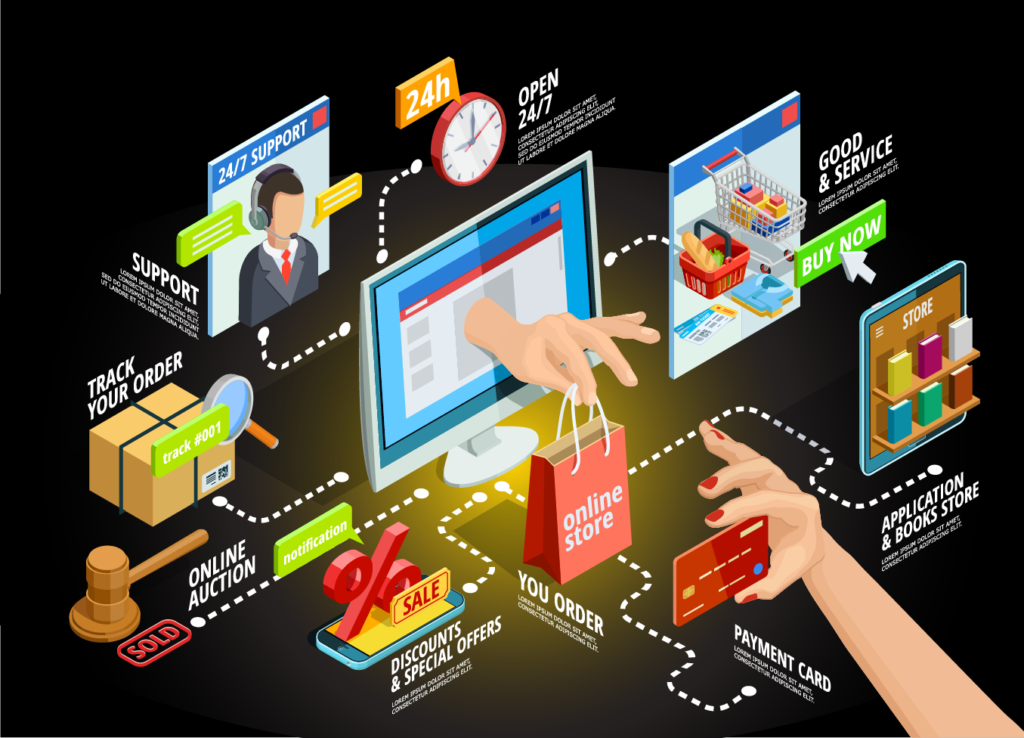
The rise of e-commerce has revolutionized B2B distribution. Digital platforms allow businesses to reach a broader audience, streamline transactions, and enhance customer experiences. B2B e-commerce platforms provide users with the ability to browse products, place orders, and manage accounts online, offering a level of convenience that traditional methods lack.
These platforms often include features such as personalized catalogs, bulk ordering options, and integration with existing ERP systems. By simplifying the purchasing process, B2B e-commerce solutions empower customers to make informed decisions and streamline their procurement processes. Additionally, online marketplaces facilitate connections between buyers and sellers, opening up new avenues for growth and collaboration.
4. Supply Chain Visibility and Transparency
Technology has also enhanced supply chain visibility, which is crucial for B2B distributors. Improved visibility enables businesses to monitor every stage of the distribution process, from sourcing materials to final delivery. This transparency helps companies identify bottlenecks, mitigate risks, and respond quickly to disruptions.
Tools such as Internet of Things (IoT) devices and tracking software allow for real-time monitoring of shipments and inventory levels. For example, RFID tags can be used to track the movement of goods through the supply chain, providing valuable data on location, condition, and estimated delivery times. This information not only enhances operational efficiency but also builds trust with customers, who appreciate timely and transparent updates about their orders.
5. Artificial Intelligence and Machine Learning
Artificial intelligence (AI) and machine learning are playing an increasingly significant role in transforming B2B distribution. These technologies enable businesses to automate complex tasks, enhance decision-making processes, and improve customer interactions.
For instance, AI-powered chatbots can handle customer inquiries and support requests, providing instant assistance and freeing up human resources for more complex issues. Additionally, machine learning algorithms can analyze vast amounts of data to identify patterns, optimize pricing strategies, and improve inventory management.
Moreover, AI can enhance demand forecasting by analyzing historical data and external factors, such as market trends and economic indicators. This predictive capability allows distributors to make proactive adjustments to their inventory and distribution strategies, reducing costs and improving service levels.
6. Collaboration and Communication Tools
Effective communication and collaboration are essential for successful B2B distribution. Technology has introduced a range of tools that facilitate seamless interaction among stakeholders, including suppliers, distributors, and customers.
Cloud-based collaboration platforms allow teams to share information, manage projects, and communicate in real-time, regardless of their physical locations. This connectivity is particularly important in today’s globalized market, where teams may be spread across different regions.
Additionally, integrated communication tools enhance coordination between departments, ensuring that everyone is aligned on goals and objectives. Improved communication leads to better collaboration, faster problem-solving, and ultimately, more efficient distribution processes.
7. Sustainability and Green Technology
As businesses become increasingly aware of their environmental impact, technology is playing a pivotal role in promoting sustainability in B2B distribution. Solutions such as route optimization software and energy-efficient logistics practices help minimize carbon footprints and reduce waste.
For example, transportation management systems (TMS) use data analytics to identify the most efficient delivery routes, thereby lowering fuel consumption and emissions. Additionally, adopting green technologies in warehousing and logistics can contribute to sustainability efforts while also appealing to environmentally-conscious customers.
Conclusion
The role of technology in transforming B2B distribution cannot be overstated. From automation and data analytics to e-commerce platforms and AI-driven solutions, these innovations are reshaping how businesses operate, enhancing efficiency, and improving customer experiences.
As B2B distributors embrace these technologies, they position themselves for success in an increasingly competitive marketplace. By leveraging the power of technology, companies can not only streamline their operations but also build stronger relationships with their customers, drive growth, and adapt to the ever-changing demands of the industry. In this digital age, investing in technology is no longer a choice but a necessity for B2B businesses aiming to thrive.